



Ambubachi Mela 2026
Hosted by: Ambubachi Mela 2026
Nilachal Hills, Hargobinda Sarma Path, Nursery, Guwahati, Assam, India
Get Direction11:07 am-Monday
June 22, 2026-Friday
June 26, 2026
High on the Nilachal Hills above Guwahati, something ancient and extraordinary stirs every monsoon. The Ambubachi Mela — often called the Mahakumbh of the East — is not merely a festival. It is one of India's most profound spiritual gatherings, rooted in a tradition that dares to celebrate what most of the world has long misunderstood.
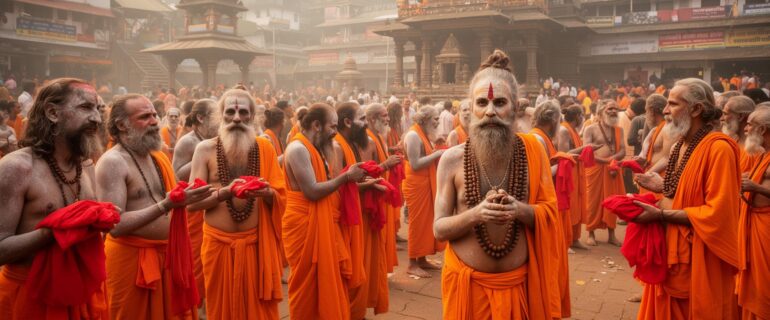
Kamakhya Temple, atop the Nilachal Hills, openly honours menstruation as the source of creation rather than treating it as taboo. For four sacred days each June, the temple remains closed as it is believed the goddess undergoes her annual cycle — and the hills fill with an extraordinary congregation of humanity. Red-robed sadhus, Tantric ascetics, and lakhs of pilgrims from across India and beyond make their way to one of the 51 Shakti Peethas — a site of immense power, antiquity, and living devotion.
When the temple doors finally reopen, devotees receive small pieces of red cloth — Angabastra — believed to have been sanctified within the sanctum during the closure, and considered one of the most spiritually cherished aspects of the entire mela.
The festival also coincides with the onset of monsoon in Assam — connecting the sacred cycle of the goddess to the fertility of the earth itself, a deeply ecological and spiritual rhythm.
Come as a pilgrim, a seeker, or simply a witness — and leave transformed.