




Aizawl defies the conventional logic of city building. Most cities are built on flat ground, on riversides, or in valleys. Aizawl was built on a ridge — a long, narrow spine of rock at 1,132 metres in the Mizo Hills — and has continued building upward and outward from that improbable foundation for over a century. The result is one of the most architecturally dramatic cities in India: houses stacked on houses on the ridge, connected by stairs cut into the rock face, roads that hairpin up slopes that would defeat most urban planners, and views in every direction across the rolling blue-green hills of Mizoram that give the state its name (Mizo means ‘people of the hill’).
Aizawl is not a city that shouts. It is clean, quiet by the standards of any Indian city, remarkably well organised, and permeated by the Mizo cultural values — tlawmngaihna (the Mizo ethic of selflessness, service, and hospitality to strangers) and a civic pride expressed in spotless streets, community gardens, and a literacy rate of over 91%. It is predominantly Christian, and the pace of life reflects that — Sundays are genuinely quiet, and the city’s social life has a warm, community-centred quality that feels unlike anywhere else in Northeast India.
Quick Facts About Aizawl
| State | Mizoram |
| Role | State Capital |
| Altitude | 1,132 metres (3,714 feet) |
| Language | Mizo (Duhlian), English, Hindi |
| Religion | Christianity (predominantly Presbyterian and Baptist) |
| Nearest Airport | Lengpui Airport — 32 km; well connected to Guwahati, Kolkata, Imphal |
| Nearest Rail | Bairabi — 180 km (Assam border); Silchar — 180 km via NH306 |
| ILP Required | Yes — Inner Line Permit for all Indian nationals entering Mizoram |
| Best Time | October to May; March for Chapchar Kut festival |
| Distance from Guwahati | Approximately 600 km by road; 1.5 hours by air from Guwahati |
The Mizo People — Tlawmngaihna & the Ethic of the Hills
The Mizo are a Tibeto-Burman people who migrated into the hills of present-day Mizoram from the east in successive waves, consolidating into a cultural identity shaped by their forested hill environment, their clan-based social organisation, and a code of community values — tlawmngaihna — that is perhaps the most distinctive ethical framework of any indigenous people in Northeast India.
Tlawmngaihna: Often translated as ‘the quality of being considerate and generous towards others’, tlawmngaihna goes deeper than simple hospitality. It is an ethic that demands selfless service to any person in need — feeding a stranger without expecting payment, helping a neighbour without being asked, sharing resources without calculation. The Mizo have maintained this value through conversion, colonial disruption, and modernisation, and its effect on daily life in Aizawl is tangible — the city’s cleanliness, safety, and community cohesion are its most visible expressions.
Christianity: The Mizo converted to Christianity with remarkable speed following the arrival of Welsh Presbyterian missionaries in 1894. Today, over 87% of Mizoram’s population is Christian, and the church is the central institution of Mizo social life — not merely a place of worship but the organising principle of community identity, welfare, and cultural expression. Sunday in Aizawl is taken seriously; most commercial activity ceases.
Music culture: The Mizo have one of the strongest choral traditions in India, shaped by the church music that arrived with the missionaries and the pre-existing oral musical culture. Aizawl’s churches produce extraordinary four-part harmony singing, and the Mizo cultural calendar includes music competitions (Mizo Inkhawmpui) of high seriousness.
Literacy: Mizoram has one of the highest literacy rates of any Indian state — over 91% — with Aizawl leading the state. The Presbyterian Church’s historical emphasis on reading the Bible created a literate culture long before government schooling reached the hills.
| Cultural note: Aizawl is one of the safest and most welcoming cities in Northeast India for solo travelers of any gender. The Mizo ethic of tlawmngaihna means that strangers are genuinely looked after, not merely tolerated. However, observe Sunday customs — do not expect shopping or restaurants on Sunday mornings. |
Top Attractions in Aizawl
1. Mizoram State Museum
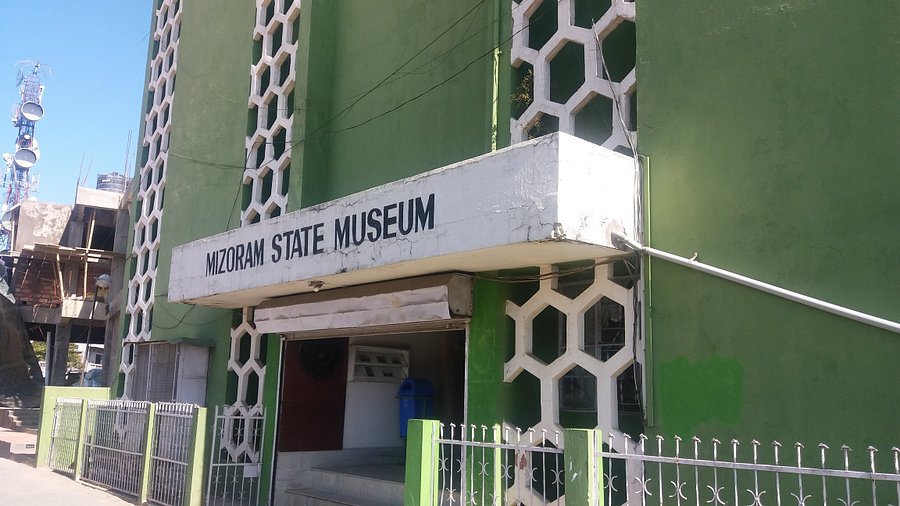
The Mizoram State Museum, near the heart of Aizawl, houses one of the finest collections of Mizo material culture in any single institution — traditional weapons (the dao and spear used in pre-Christian headhunting warfare), woven textiles, musical instruments, ceremonial objects, and the extraordinary collection of Mizo oral literature manuscripts. The museum provides essential context for any deeper engagement with Mizo history and culture.
- Traditional Mizo weapons including the dao (machete) and warrior equipment from the pre-Christian era
- Outstanding collection of Mizo handloom textiles — the Puan (traditional wrap worn by Mizo women) in multiple weave patterns
- Musical instruments including the tuibur (bamboo instrument) and hnam-te (traditional percussion)
- Photographs and documents from the Mizo National Front insurgency period (1966–1986) — a significant and often overlooked chapter of Northeast history
- Allow 1.5–2 hours for a thorough visit
2. Bara Bazar (Bazar Tlang)
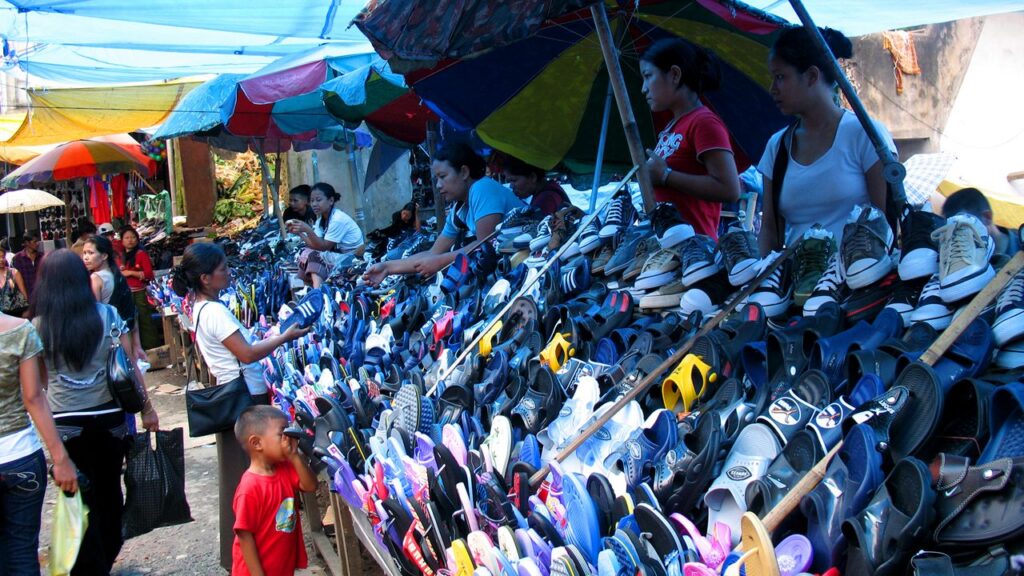
Bara Bazar is the commercial and social heart of Aizawl — a multi-level market built into the ridge, descending in terraces from the main road to levels below, connected by steep stairs and narrow passages. It is one of the most architecturally unusual markets in India, its structure shaped entirely by the ridge topography. The market sells fresh Mizo produce (many vegetables and fruits not found in other parts of India), traditional textiles, the Mizo Puan weave in its dozens of variations, and the everyday goods of Aizawl life.
- Multi-level terraced market carved into the ridge — architecturally extraordinary
- Fresh Mizo produce: local vegetables, fruits, dried meats, fermented preparations
- Puan weaving in multiple traditional patterns — the finest place in Mizoram to purchase traditional Mizo textiles
- The market is at its most active between 7–10 AM and 3–6 PM
- Saturday market is the largest of the week
3. Durtlang Hills — Panoramic Viewpoint
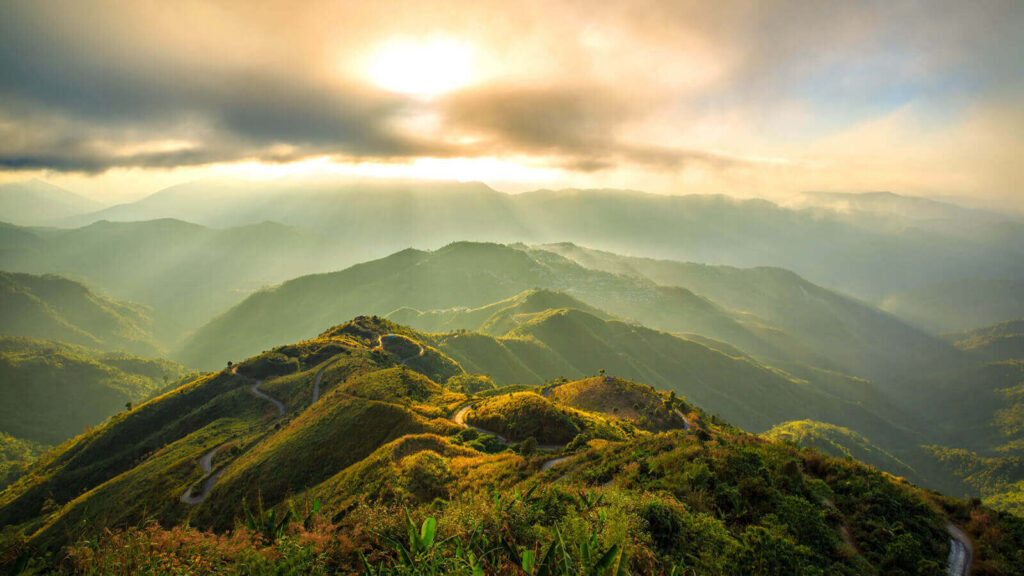
The Durtlang Hills, north of Aizawl city, offer the finest panoramic views over the capital and the surrounding landscape of rolling Mizo hills. The viewpoint at approximately 1,350 metres looks south over the entire city — the ridge-top houses, the church spires, and the hills receding into the haze toward Myanmar and Bangladesh. Dawn and dusk visits reward with extraordinary light.
- 360-degree views over Aizawl and the Mizo Hills
- Dawn visit: the city emerging from morning mist — the finest photography time
- Dusk visit: the city lights beginning to appear against the darkening hills
- 15–20 minutes from the city centre by vehicle
4. Hmawngbuchhuah (Aizawl Tlabung Road Viewpoints)
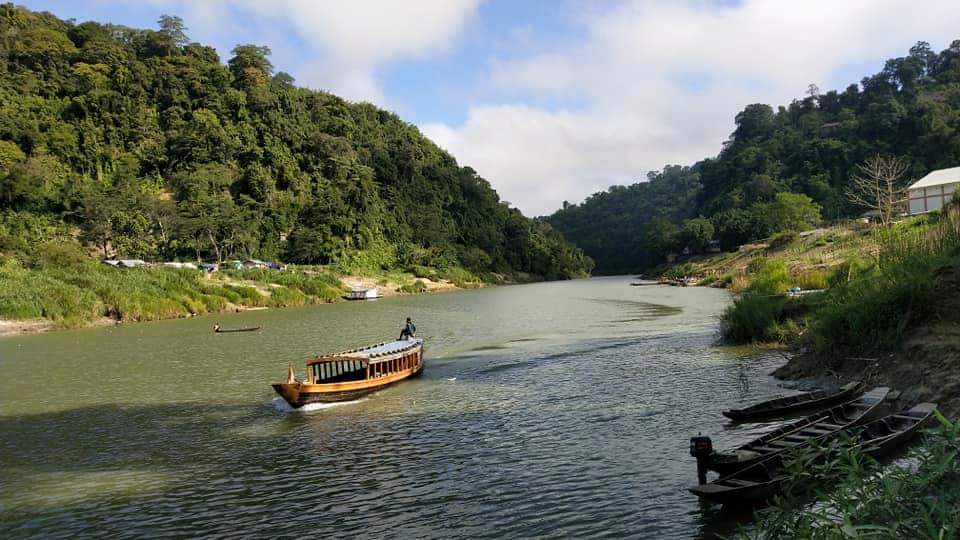
The road from Aizawl south toward Tlabung passes through some of the finest ridge viewpoints in Mizoram — points at which the city below is visible in one direction and the blue-layered hills of the Mizo range extend to the horizon in the other. Several dedicated viewpoints along this road are worth stopping at on any south-bound journey.
5. Solomon’s Temple (Bethlehem Vengthlang Church)
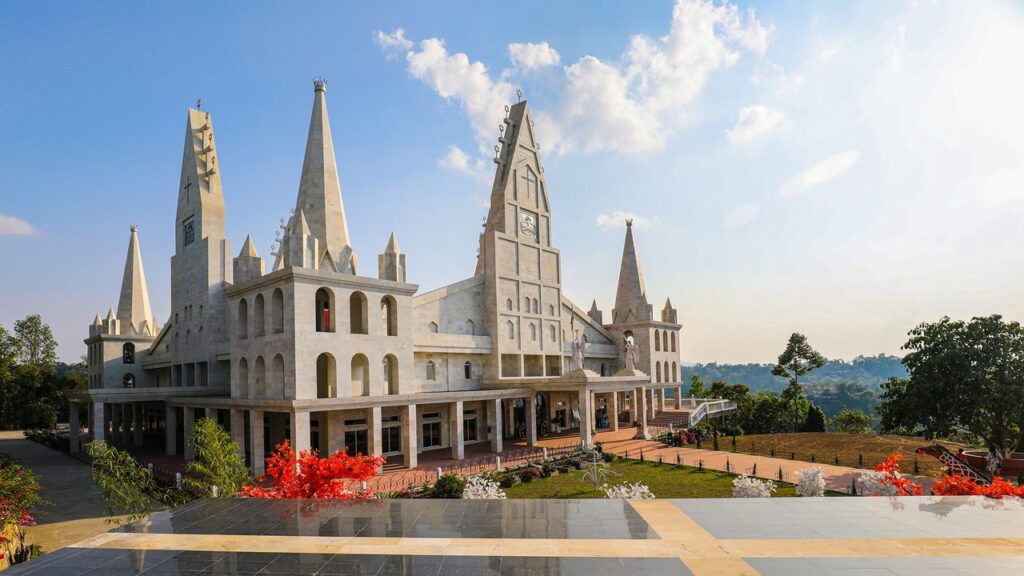
Mizoram’s churches are architectural statements — and none more so than the Bethlehem Vengthlang Church, known locally as Solomon’s Temple, which dominates a hilltop with a scale and ambition that reflects the centrality of Christianity to Mizo identity. The church can seat thousands and its hilltop position gives it a visual presence over the city that is simultaneously dramatic and emblematic. Visitors are welcome outside service hours.
- One of the largest churches in Northeast India — visible from across the city
- Built to reflect the Mizo community’s commitment to Christian community life
- Hilltop position provides excellent city views from the church grounds
6. Luangmual Handicraft Centre
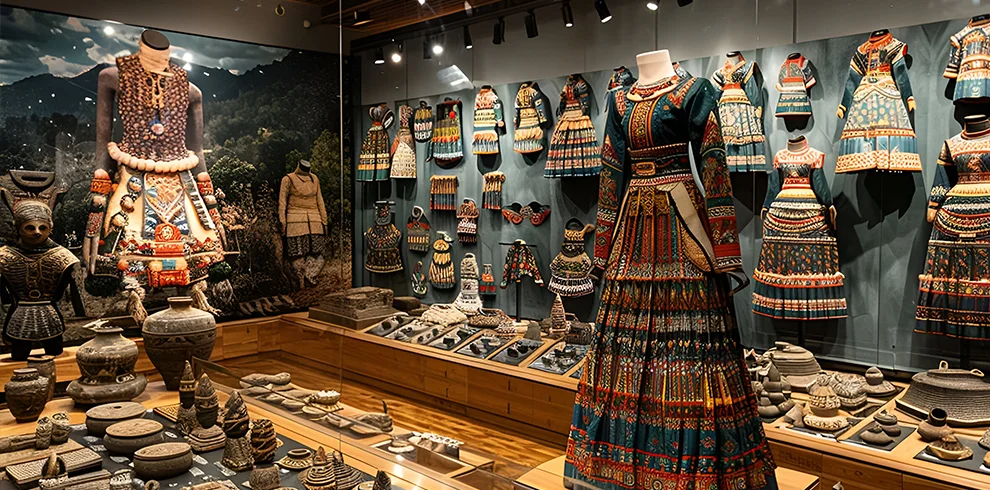
The Luangmual Handicraft Centre, on the outskirts of Aizawl, is the primary workshop and retail centre for Mizoram’s traditional crafts — Mizo handloom weaving, bamboo and cane work, and the distinctive Mizo pottery. Watching weavers at work on traditional looms and purchasing directly from the artisans ensures quality and fair compensation.
- Traditional Mizo handloom weaving demonstrations
- Bamboo and cane craft production — Mizoram’s bamboo crafts are among the finest in Northeast India
- Direct purchase from artisans at fair prices
- The Puan, Ngotekherh, and Hmaram weave patterns available
7. Khatla Market & Local Food Trail
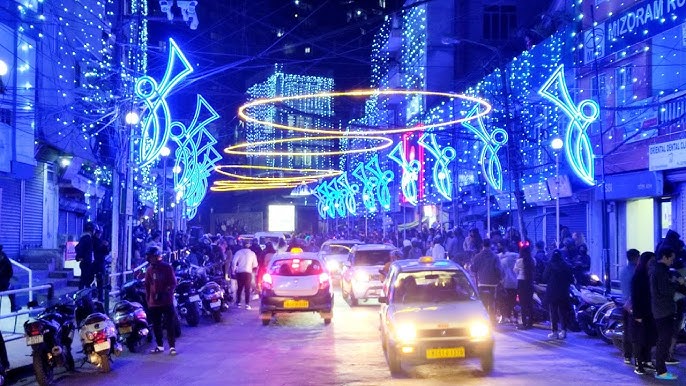
Khatla Market, one of several neighbourhood markets in Aizawl, offers the most authentic encounter with Mizo daily food culture — fresh pork (the staple protein of Mizo cuisine), local greens, bamboo shoot preparations, and the distinctive smoked and dried meats that characterise Mizo cooking. A morning walk through Khatla is a culinary education.
Chapchar Kut — Mizoram’s Greatest Festival
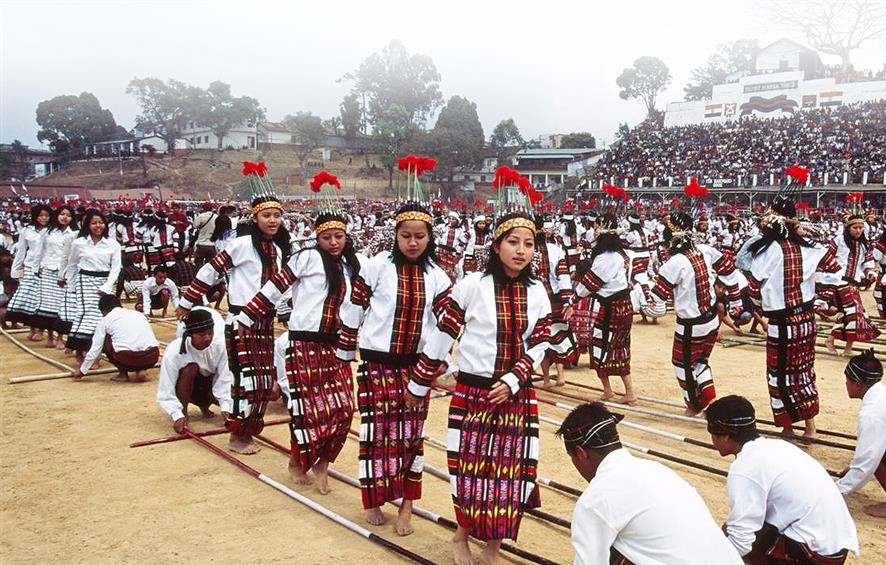
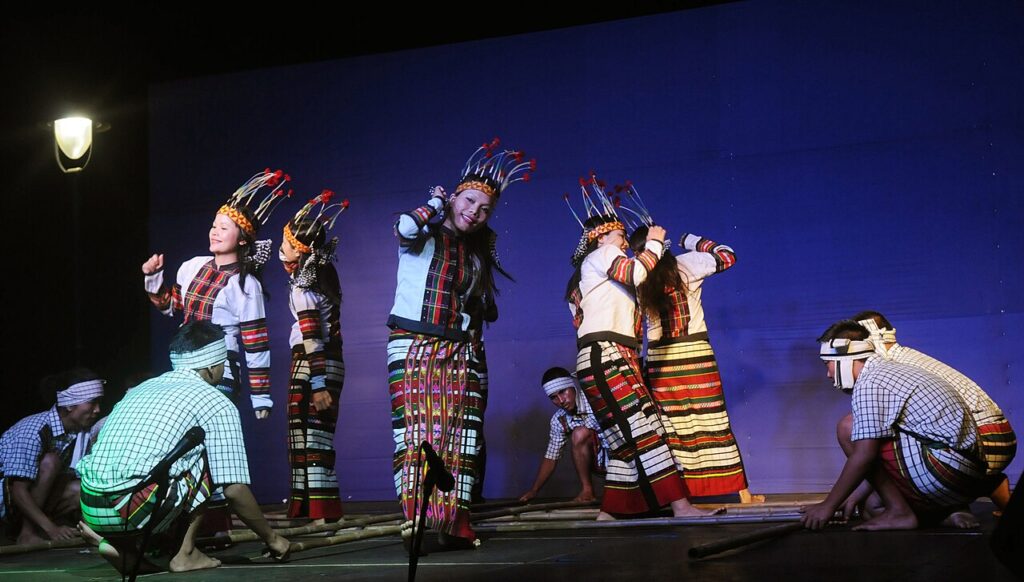
Chapchar Kut, held in the first week of March, is Mizoram’s most important and most joyful festival — a spring celebration marking the completion of the jhum (shifting cultivation) clearing work, when the Mizo community celebrates with music, dance, and feasting. The festival features the Cheraw (bamboo dance), the Khuallam, and the Chai dance — Mizoram’s most spectacular traditional performances.
- Cheraw (Bamboo Dance) — The most iconic Mizo dance; performers step between pairs of bamboo poles that are clapped rhythmically together by other performers seated on the ground; the precision and grace of the footwork is extraordinary
- Khuallam — The ‘dance of the guests’; a formal celebratory dance performed to welcome important visitors; one of the most elaborate of the Mizo traditions
- Chai dance — A community circle dance; large groups holding hands and moving together in a rhythmic spiral pattern
- Date — First week of March; exact dates follow the traditional Mizo calendar; book accommodation and flights weeks in advance
| Chapchar Kut is one of the most visually spectacular festivals in Northeast India and far less crowded than the Hornbill Festival (Nagaland) or the Bihu celebrations (Assam). It is an authentic community celebration rather than a tourism event — which makes it all the more rewarding to attend. |
Mizo Cuisine in Aizawl
Essential Dishes
- Bai — The definitive Mizo dish — pork or fish slow-cooked with bamboo shoot, taro leaves, and local herbs; deeply savoury, warming, and irreplaceable
- Sawhchiar — A thick rice congee cooked with pork or chicken; the Mizo comfort food; eaten for breakfast and as recovery food
- Vawksa Rep — Smoked pork preparations; the smell of wood-smoked pork is one of the olfactory signatures of Aizawl’s markets
- Chhum Han — Boiled vegetables (often leafy greens) with fermented fish paste; simple and deeply Mizo
- Mizo Vawkpui Tleuva — Pork with spring onion; deceptively simple, extraordinarily flavourful
- Zu (Rice Beer) — Traditional Mizo rice beer; lighter than Naga versions; served warm or at room temperature
Recommended Restaurants & Stalls
- David’s Kitchen — The most celebrated Mizo restaurant in Aizawl; authentic home-style cooking; book in advance
- Zarkawt restaurants — Several good options in the Zarkawt commercial area; Mizo and continental options
- Bara Bazar food stalls — The most authentic street eating in Aizawl; morning stalls for sawhchiar and local snacks
- Church charity kitchens — Several churches run community kitchens open to visitors; the most genuine expression of Mizo food culture and tlawmngaihna
Where to Stay in Aizawl
- Hotel Regency — The most consistently recommended mid-range property in Aizawl; central location; reliable service; ₹3,000–₹5,500
- Chief’s Holiday Inn — Good mid-range option with city views; ₹2,500–₹4,500
- Budget guesthouses — Available throughout the city; ₹700–₹2,000; quality varies
- Presbyterian Church guesthouses — The church maintains several guesthouses in Aizawl that are available to non-church visitors; clean, quiet, and affordable; the most culturally immersive option in the city
- Homestays — Available with Mizo families through Mizoram Tourism; the best way to experience tlawmngaihna first-hand
How to Reach Aizawl
By Air
- Lengpui Airport — 32 km from Aizawl; connected to Guwahati, Kolkata, Imphal, and Delhi
- IndiGo, Air India, and SpiceJet operate services
- Taxi from airport to city: approximately 45 minutes; ₹600–₹900
By Road
- From Silchar (Assam): 180 km on NH306; approximately 5–6 hours through the Mizo Hills
- From Shillong (Meghalaya): approximately 500 km; 12–14 hours; most travelers fly from Guwahati/Shillong
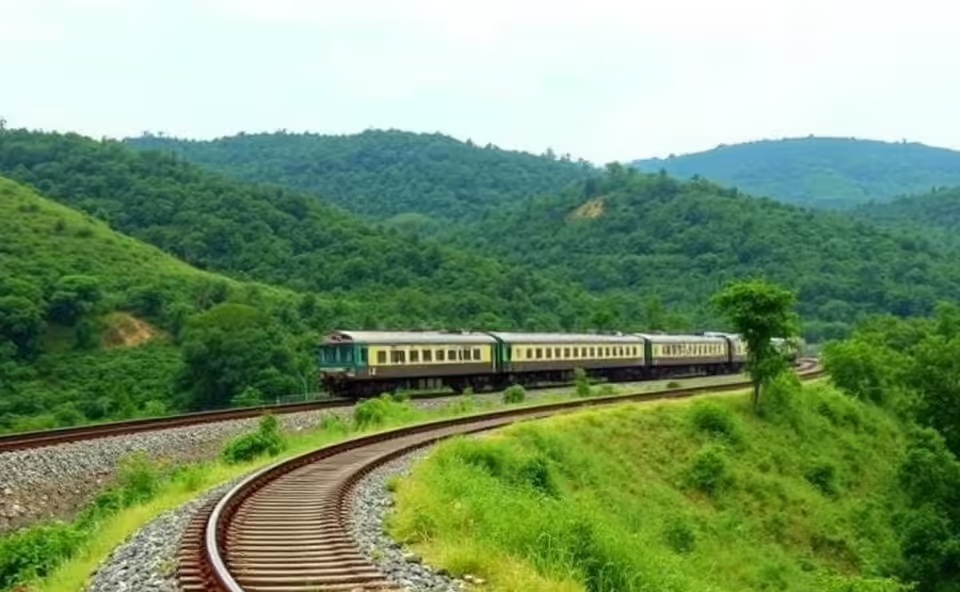
No Direct Rail
- No rail connection to Aizawl; Bairabi (Assam border area) and Silchar are the nearest stations
- Most visitors to Aizawl fly via Guwahati, Kolkata, or Imphal
ILP for Mizoram
All Indian nationals require an Inner Line Permit to enter Mizoram. Apply online Mizoram ILP or at Mizoram House offices in Guwahati, Kolkata, Delhi, Shillong, and Silchar.
- Online application: Mizoram ILP — typically processed within 24–48 hours
- ILP on arrival: Available at Lengpui Airport and at road entry checkpoints — but pre-application online is strongly recommended to avoid delays
- Duration: 15 days standard; extendable
Also Read: How to Apply For Travel Permits for Traveling to Northeast India
Best Time to Visit Aizawl
- March: Chapchar Kut festival (first week); the single best cultural time to visit; flowers beginning to bloom
- October to February: Best weather; clear skies; cool temperatures; excellent visibility over the hills
- April to May: Pre-monsoon; warm; beautiful spring greenery
- June to September: Monsoon; heavy rain; roads can be affected; the hills are intensely green but travel is less predictable
