




Manipur, the ‘Jewel of India’, is one of Northeast India’s most culturally distinctive and naturally spectacular states. Nestled between Myanmar and the other northeastern states, Manipur is the birthplace of Polo, home to the world’s only floating national park, and the source of one of India’s most celebrated classical dance forms.
The state’s centrepiece is Loktak Lake — the largest freshwater lake in Northeast India — with its extraordinary phumdis (floating biomass islands) and the Keibul Lamjao National Park, the last natural habitat of the critically endangered Sangai deer. Add to this the ancient Kangla Fort, the martial art of Thang-Ta, the classical Manipuri dance tradition, and a cuisine of extraordinary depth, and Manipur emerges as one of the most multi-layered travel experiences in the region.
In this Manipur travel guide, we cover the state’s culture, top destinations, experiences, permits, and everything you need to plan your journey.
Culture of Manipur: Communities, Festivals, Traditions, and Cuisine
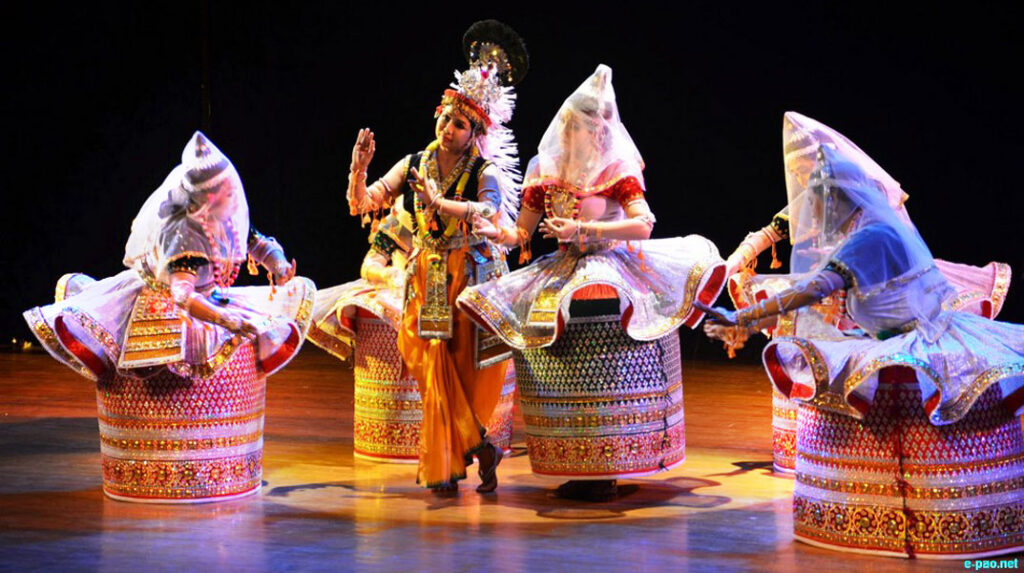
Manipur’s culture is shaped by three broad communities — the Meitei in the valley, the Naga tribes in the hills, and the Kuki-Zo communities — each with their own traditions, while the Meitei classical arts have given the state a distinctive presence on the national cultural stage.
Communities of Manipur
- Meitei — The valley-dwelling majority community; custodians of classical dance Jagoi, Thang-Ta martial art, and the Gaan-Ngai and Yaoshang festivals
- Naga tribes — Multiple Naga tribal communities in the hill districts; culturally linked to Nagaland
- Kuki-Zo peoples — Hill communities with a strong Christian tradition and distinctive weaving and music
- Pangal (Manipuri Muslim) — A distinct community with a unique blend of Meitei and Islamic culture
Festivals of Manipur
Yaoshang — Manipuri Holi
- the state’s biggest festival, held over five days during the full moon of Lamta (February–March)
- Features Thabal Chongba — a unique moonlight folk dance where young people dance in circles through the night
- Also includes sports, cultural events, and community activities
Ningol Chakouba
- A celebration of the bond between brothers and sisters; married women return to their parents’ home for a feast
- One of Manipur’s most widely observed social festivals
Lai Haraoba
- The oldest and most sacred festival of the Meitei people, a ritual enactment of the creation of the world
- Features elaborate traditional dances performed by Maibis (priests)
Other Important Festivals
- Cheiraoba — Meitei New Year in April
- Gaan-Ngai — Major festival of the Zeliangrong Naga community
- Sangai Festival — State-sponsored annual cultural and tourism festival in November
Religion and Lifestyle in Manipur
- Sanamahism — The indigenous religion of the Meitei people — coexists alongside Hinduism and Christianity
- Vaishnavism was adopted by the Meitei royal family in the 18th century and deeply influenced valley culture
- Christianity is widely practiced in the hill districts among the Naga and Kuki communities
- Manipuri classical dance (Ras Lila) is a living tradition tied to Vaishnava devotion
Manipur Cuisine
- Eromba — A mash of boiled vegetables (yam, potato, banana flower) with fermented fish (ngari) and chili; the definitive Manipuri dish
- Singju — A crunchy, spicy salad of raw vegetables, bamboo shoots, lotus stem, and fermented fish; Imphal’s favourite street food
- Kangshoi — A light vegetable stew cooked simply with local greens
- Chamthong (Ootti) — A thick vegetable stew; often a staple at community gatherings
- Ngari — Fermented fish; the defining flavour ingredient of Manipuri cooking
- Yu — Rice wine made by various hill communities; each tribe has its own recipe
Top Tourist Destinations in Manipur
1. Loktak Lake — The Floating World
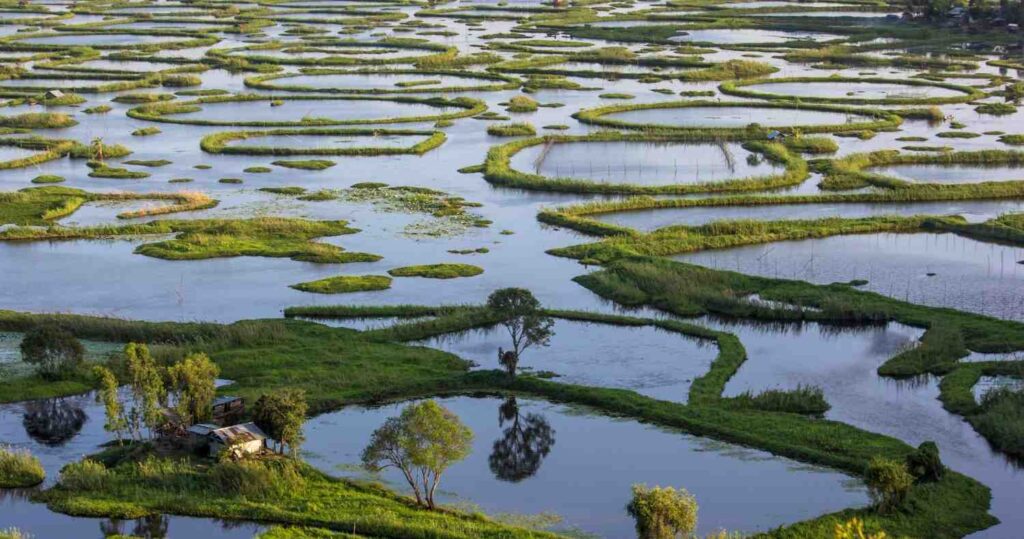
Loktak Lake, the largest freshwater lake in Northeast India, is Manipur’s most iconic natural landmark. What makes it extraordinary are the phumdis — heterogeneous masses of vegetation, soil, and organic matter floating on the lake’s surface — which cover large portions of the water and support entire ecosystems, including human settlements.
Key Highlights
- Phumdis — Floating biomass islands unique to Loktak Lake
- Keibul Lamjao National Park — The world’s only floating national park, home to the Sangai deer
- Sendra Island — A tourist island with a heritage guesthouse and panoramic lake views
- Floating villages — Communities of fishermen living on the phumdis
Best Experiences
- Boat ride across the lake to experience the phumdis up close
- Early morning wildlife spotting at Keibul Lamjao
- Sunset photography from Sendra Island
2. Kangla Fort — Heart of Meitei History
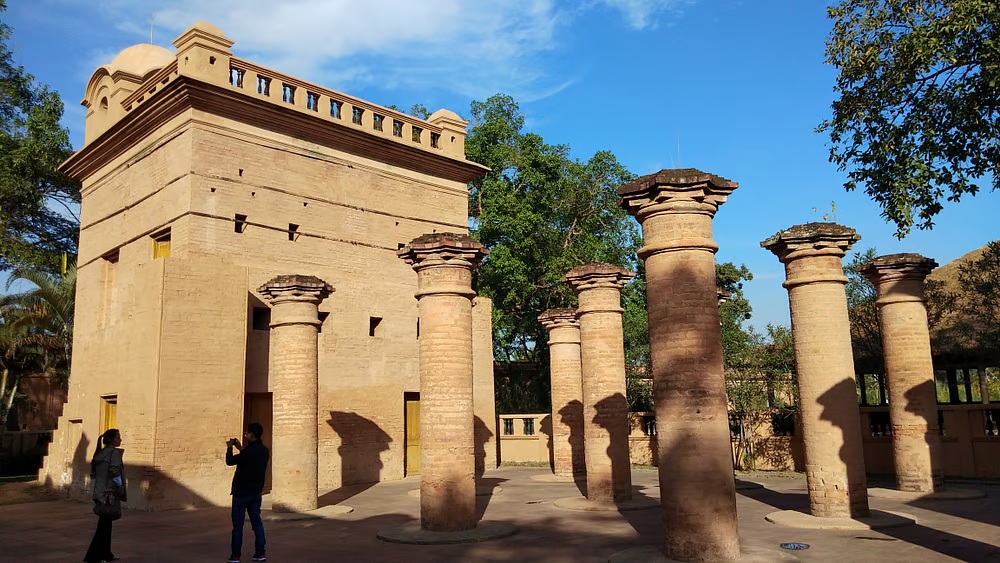
Kangla Fort, in the heart of Imphal, was the seat of the Meitei kingdom for over two thousand years and is one of the most historically and spiritually significant sites in Northeast India. The fort was occupied by the British and later by Indian armed forces before being handed back to the people of Manipur in 2004.
Key Highlights
- Kangla Sa — The sacred gateway marking the spiritual centre of the Meitei world
- Temple of Govindajee — One of the most important Vaishnava temples in Manipur
- Manipur State Museum within the fort complex
- Ceremonial Kangla dragons (Kangla Sha) at the entrance
Best Experiences
- Historical and cultural exploration
- Photography of the ceremonial architecture and moat
- Evening cultural programs during festivals
3. Imphal — The Capital City
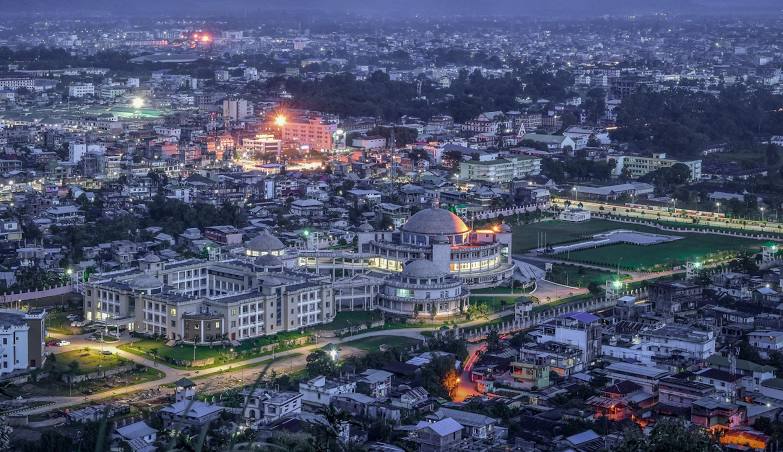
Imphal, the state capital, is a city of markets, temples, war memorials, and cultural institutions. The Ima Keithel (Mothers’ Market) — the world’s largest market run exclusively by women — is one of the most extraordinary commercial institutions in Asia and a symbol of Manipuri women’s economic power.
Key Highlights
- Ima Keithel (Mothers’ Market) — World’s largest women-only market; selling everything from vegetables to handlooms
- Shree Govindajee Temple — Twin-domed Vaishnava temple adjacent to Kangla Fort
- Imphal War Cemetery — Moving WWII memorial for Allied soldiers who fell in the Battle of Imphal
- Manipur Zoological Garden — Home to the Sangai deer
Best Experiences
- Morning visit to Ima Keithel
- WWII heritage trail — Imphal and Kohima war cemeteries
- Classical Manipuri dance performance at Jawaharlal Nehru Manipur Dance Academy
4. Shirui Hills — Home of the Shirui Lily
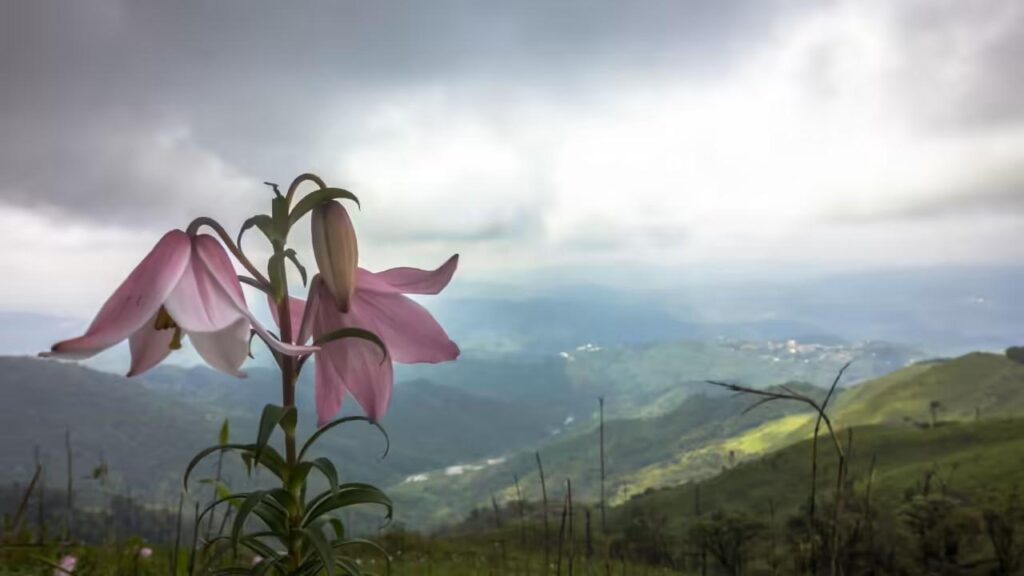
The Shirui Hills in Ukhrul district are the only place in the world where the Shirui Lily (Lilium mackliniae) grows in its natural habitat. This rare pink flower blooms from May to June on the rocky slopes and is celebrated annually at the Shirui Lily Festival.
Key Highlights
- Shirui Lily — Rare endemic flower found only on Shirui Peak
- Shirui Lily Festival — Annual celebration in May with cultural events
- Tangkhul Naga culture — The Ukhrul district is Tangkhul country; known for weaving and music
- Panoramic Himalayan views from Shirui Peak on clear days
5. Moreh & Indo-Myanmar Border
Moreh, on the Myanmar border, is one of the most important border trading towns. A drive from Imphal to Moreh on NH102 passes through spectacular hill scenery, and the town itself offers a fascinating cross-cultural trading environment where Indian and Burmese goods intermingle.
Key Highlights
- India-Myanmar friendship bridge
- Cross-border trade market — Burmese goods, textiles, and food
- Scenic drive through the Tengnoupal hills
Other Must-Visit Places in Manipur
- Dzükou Valley (Manipur side) — Shared with Nagaland; seasonal wildflowers and trekking
- Khongjom War Memorial — Site of the last battle of the Anglo-Manipuri War
- Maibam Lokpa Ching — Scenic hill near Bishnupur with panoramic valley views
- Andro Village — Pottery and traditional craft village near Imphal
Top Experiences in Manipur
Cultural Tourism in Manipur
- Classical Jagoi dance performance — Ras Lila at Govindajee Temple during festivals
- Thang-Ta martial art demonstration — the indigenous weapons-based combat system
- Ima Keithel market experience — A cultural experience as much as a shopping trip
- Weaving villages — Particularly in Bishnupur and Phulwari for traditional pat silk
Adventure Tourism
- Trekking in Dzükou Valley and Shirui Hills
- Boat tours of Loktak Lake and Keibul Lamjao
- Mountain biking on NH102 between Imphal and Moreh
- Rock climbing in the Ukhrul hills
Nature & Rural Experiences
- Sangai deer spotting at Keibul Lamjao National Park — the world’s only floating NP
- Migratory birdwatching at Loktak Lake in winter
- Village stays with Meitei, Tangkhul Naga, or Kuki communities
- Organic farming experiences in the Imphal valley
Best Time to Visit Manipur
- October to March — Best weather; all areas accessible; comfortable temperatures
- November — Sangai Festival; best for cultural events
- February to March — Yaoshang (Holi); most vibrant festival period
- May to June — Shirui Lily season in Ukhrul
- June to September — Monsoon; hill roads can be difficult
Key Tourist Information for Manipur
Inner Line Permit (ILP)
An Inner Line Permit is required for all Indian nationals visiting the state. Foreign nationals require a Protected Area Permit (PAP).
How to Apply
- Online at Manipur Inner Line Permit (ILP)
- At Manipur House offices in Delhi, Kolkata, and Guwahati
- At border entry points (Jiribam and Mao Gate) — though advance application is strongly recommended
For full permit details, visit the Travel Permits guide on NorthEast India Connect.
Travel Essentials
- Carry the ILP at all times — multiple printed copies recommended
- Hire local guides for Keibul Lamjao National Park and hill district travel
- Mobile connectivity is good in Imphal but limited in hill districts
- Road travel in the hills can be slow — allow extra time
- Respect Meitei cultural sites and temple protocols
How to Reach Manipur
By Air
- Bir Tikendrajit International Airport, Imphal — Connected to Guwahati, Kolkata, Delhi, and other cities
By Train
- No direct rail link to Imphal currently; a new rail connection is under development
- Jiribam (border with Assam) has a rail connection — onward travel by road to Imphal (7–8 hours)
By Road
- NH2 (Imphal–Guwahati) — 12–14 hours; passes through Nagaland
- NH37 connects Manipur to Mizoram
- Private taxis and state buses operate from Guwahati and Dimapur
Accommodation in Manipur
Travelers can choose from:
- Meitei valley homestays near Imphal and Bishnupur
- Lakeside guesthouses near Loktak Lake
- Tribal homestays in Ukhrul and Churachandpur districts
- Government-run tourist lodges and private hotels in Imphal
Why Visit Manipur
Manipur is a state of extraordinary contrasts — ancient kingdoms and floating lakes, the world’s most powerful women’s market and the world’s only floating national park, classical dance of sublime beauty and martial arts of fierce elegance. It is a destination for travelers who want to go beyond the obvious and discover one of India’s most complex and rewarding cultural landscapes.
