




Mizoram, meaning ‘Land of the Highlanders’, is one of Northeast India’s most distinctive and least-explored states. Consistently ranked among India’s most literate and cleanest states, Mizoram is a land of rolling blue-green hills, warm community bonds, a deeply musical culture, and extraordinary natural beauty — from the dramatic Phawngpui Blue Mountain to the serene Tam Dil Lake.
The Mizo people are known throughout India for their extraordinary community spirit (expressed through the institution of Tlawmngaihna — a code of selflessness and helpfulness), their love of music and sport, and a civic culture that has produced some of the cleanest towns in the country. Aizawl, the capital, is a city draped dramatically along a steep ridge, with views in every direction that make it one of the most striking small capitals in Asia.
In this travel guide, we cover the state’s culture, top destinations, experiences, permits, and everything you need to plan your journey.
Culture of Mizoram: Tribes, Festivals, Traditions, and Cuisine
Mizoram’s culture is predominantly shaped by the Mizo people — a collective term for multiple related tribal groups — with additional communities including the Hmar, Lai, Mara, and Chakma bringing further cultural diversity.
Tribal Heritage of Mizoram
Major Communities
- Mizo (Lusei/Lushai) — The largest community; custodians of Mizoram’s music, dance, and the Tlawmngaihna code of social conduct
- Hmar — Found primarily in southern Mizoram; known for distinctive weaving and oral traditions
- Lai — A Chin-related community in the Lawngtlai district with unique cultural practices
- Mara — Found in the Saiha district; known for their distinctive dress and the Mara festival traditions
- Chakma — Buddhist community primarily in southern districts; known for weaving and Buddhist heritage
Tlawmngaihna — the Mizo code of selfless community service — is perhaps the most important cultural concept in Mizoram. It manifests in the extraordinary cleanliness of Mizo towns, the warmth of hospitality extended to strangers, and the community disaster relief systems that function without bureaucratic prompting.
Festivals of Mizoram
Chapchar Kut — The Festival of Joy
- The biggest and most joyful festival in the Mizo calendar, celebrated in March
- Originally a harvest celebration marking the completion of jhum (shifting cultivation) clearing
- Features spectacular Cheraw (bamboo dance), Khuallam, Chheih Lam, and other traditional dances
- Held at state level in Aizawl — one of the most colourful festivals in Northeast India
Mim Kut
- Harvest festival of the Mizo people, celebrating the maize harvest in August
- A time for community feasting, music, and remembrance of ancestors
Pawl Kut
- Winter harvest festival; one of the oldest Mizo celebrations
- Marked by communal thanksgiving, dances, and traditional games
Other Festivals
- Christmas and New Year — Celebrated with exceptional enthusiasm; carol singing is a major Mizo tradition
- Anthurium Festival — Aizawl’s modern flower festival in the beautiful Anthurium season
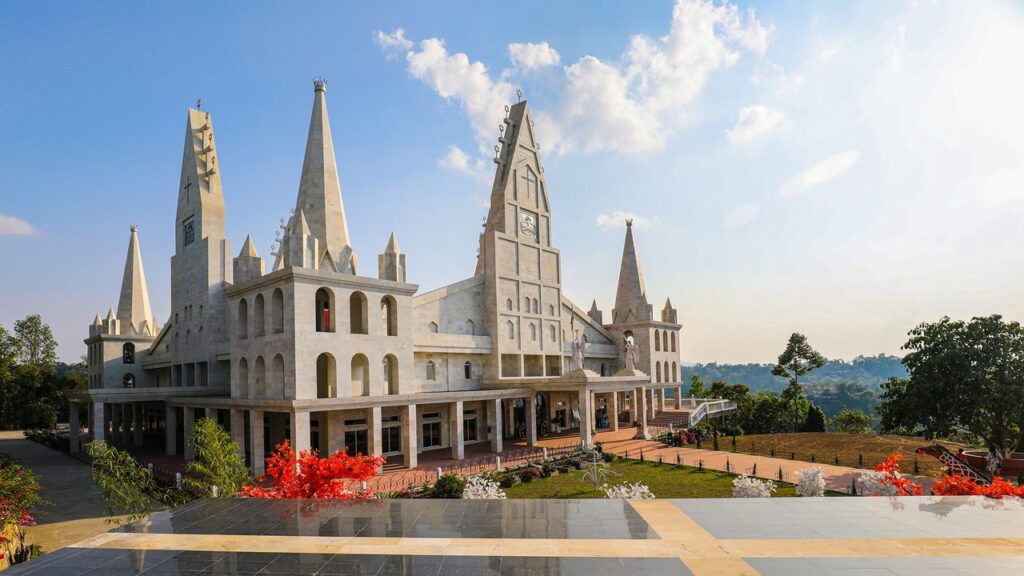
Religion and Lifestyle in Mizoram
- Christianity (predominantly Presbyterian and Baptist) was adopted in the early 20th century and has become deeply integrated with Mizo cultural identity
- Church attendance is near-universal; church choirs are a major cultural institution
- Sunday is rigorously observed — most businesses close and the state takes on a quiet, reflective character
- Mizoram has India’s highest literacy rate and some of the country’s best health indicators, reflecting the community’s strong emphasis on education and mutual welfare
Mizoram Cuisine
- Bai — Pork cooked with bamboo shoots and local greens; the most iconic Mizo comfort food
- Vawksa Rep — Smoked pork; served at most community gatherings and homestay meals
- Sawhchiar — Congee-style rice porridge cooked with pork or chicken; a staple across the state
- Zu — Rice beer made in numerous varieties; different communities have their own brewing traditions
- Bamboo shoot preparations — Used in multiple forms (fresh, fermented, dried) across Mizo cooking
- Mizo Dawl — A community feast tradition where food is shared generously with all who attend
Top Tourist Destinations in Mizoram
1. Aizawl — The Ridge Capital
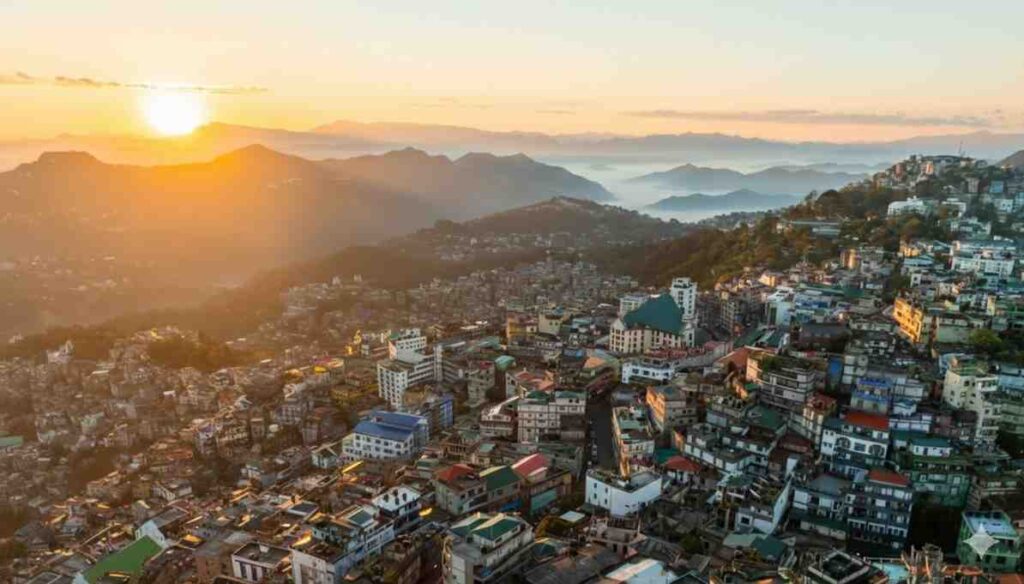
Aizawl, Mizoram’s capital, is one of the most dramatically situated cities in India — stretched along a steep ridge at 1,132 metres with valleys dropping away on both sides. The city’s cleanliness, orderliness, and friendly atmosphere make it one of the most liveable and walkable state capitals in the Northeast.
Key Highlights
- Durtlang Hills — Viewpoint overlooking Aizawl and the surrounding valleys
- Mizoram State Museum — Collection of Mizo cultural artifacts, textiles, and historical exhibits
- Bung Viewpoint — One of the best panoramic views of the city and surrounding hills
- Solomon’s Temple — One of Asia’s largest churches, a landmark of Aizawl’s skyline
Best Experiences
- Walking the ridge road as the city comes alive in the morning
- Local market exploration — handloom, fresh produce, and Mizo food
- Attending a Sunday church service — extraordinary choir singing
2. Phawngpui — The Blue Mountain
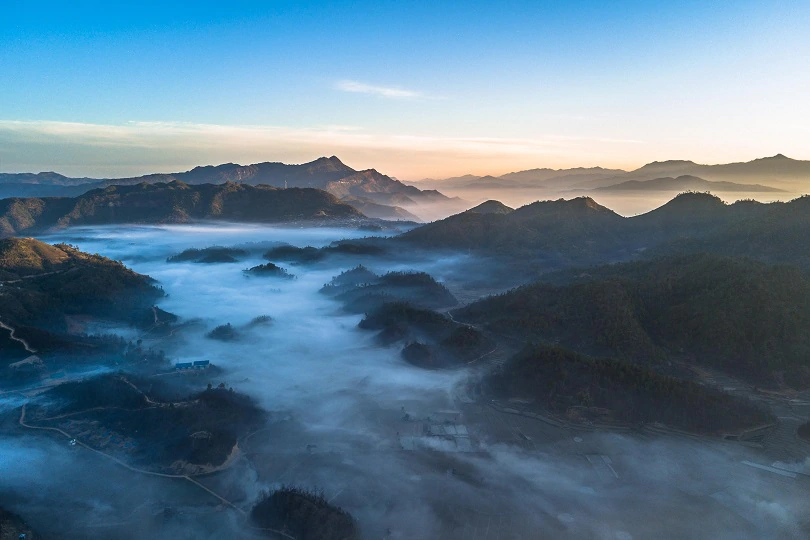
Phawngpui (Blue Mountain), at 2,157 metres, is the highest peak in Mizoram and one of the finest trekking destinations in Northeast India. The mountain’s upper slopes harbour rare orchids, rhododendrons, and the endangered Hoolock gibbon, while on clear days the summit offers views of the Kaladan River valley stretching into Myanmar.
Key Highlights
- Highest peak in Mizoram at 2,157 metres
- Rare orchids and rhododendrons in bloom from February to April
- Hoolock gibbon habitat — One of the best chances to spot this rare ape
- Views into Myanmar’s Chin State on clear days
Best Experiences
- 2–3 day trek from Sangau village
- Birdwatching — over 300 species recorded in the national park
- Summit sunrise photography
3. Tam Dil Lake — The Mustard Lake
Tam Dil, which translates as ‘Mustard Lake’, is a natural lake surrounded by forest in Saitual district. The lake is used as a fishing reserve, offering boat rides on calm waters surrounded by forested hills. It is one of Mizoram’s most serene and photogenic natural retreats.
Key Highlights
- Natural lake set in forest landscape
- Boating and fishing opportunities
- Mizoram Tourism Development Corporation resort on the lakeside
- Birdwatching in the surrounding forest
Best Experiences
- Early morning boat ride on still waters
- Overnight stay at the lake resort
- Photography of mist over the lake at dawn
4. Champhai — Gateway to Myanmar
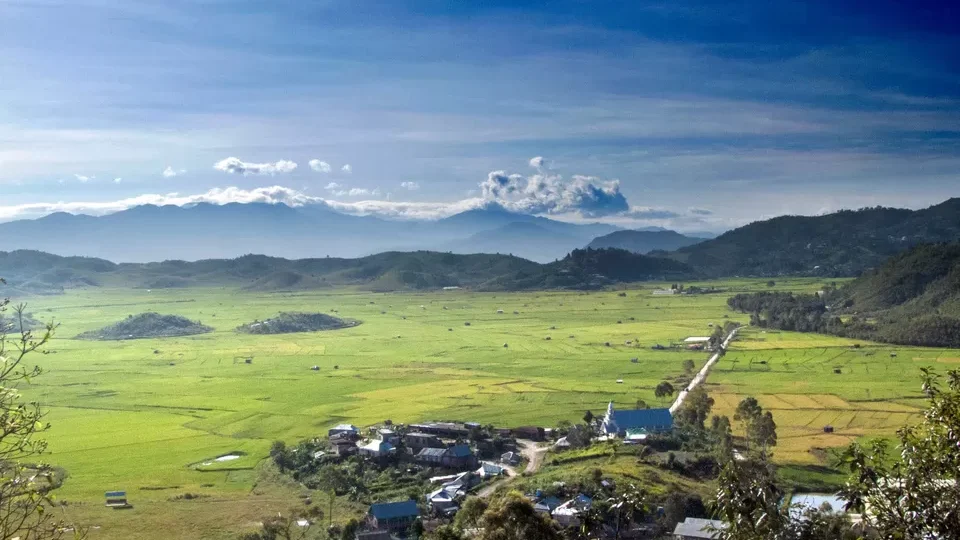
Champhai, on Mizoram’s eastern border with Myanmar, is one of the most scenic towns in the state — a wide, fertile valley surrounded by hills, sometimes called the ‘Rice Bowl of Mizoram.’ It is also the starting point for travel to Rih Dil Lake, a sacred lake of the Mizo people that lies just across the border in Myanmar.
Key Highlights
- Champhai Valley — Wide fertile plain surrounded by forested hills
- Murlen National Park — Rare species including Hoolock gibbon and Particoloured Flying Squirrel
- Rih Dil Lake — Sacred Mizo lake just inside Myanmar; visible from the Indian side
- Indo-Myanmar border trade
5. Reiek — Heritage Village
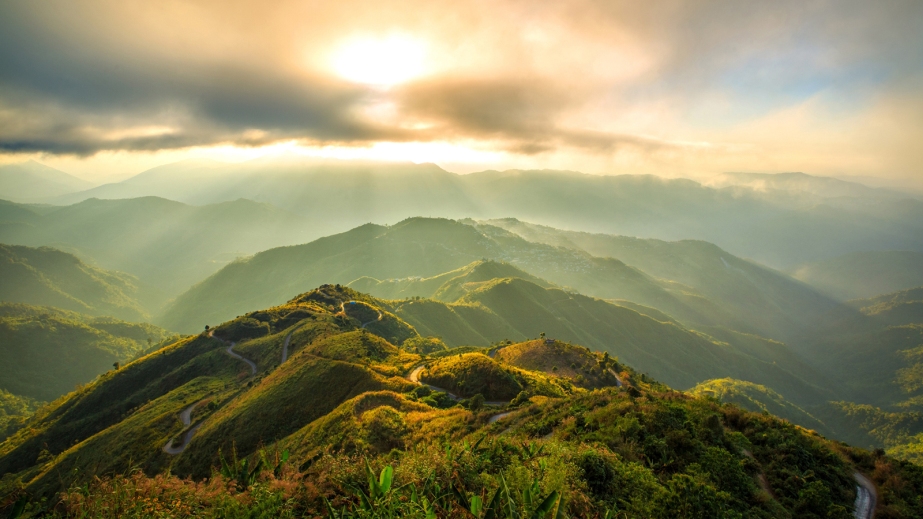
Reiek, 30 km from Aizawl, is a traditional Mizo heritage village set on a hilltop with panoramic views. The village features traditional Mizo architecture, a heritage trail, and a resort that offers an accessible cultural immersion experience near the capital.
Key Highlights
- Traditional Mizo village architecture preserved and accessible
- Panoramic views over the surrounding valleys
- Heritage trail explaining Mizo cultural practices
- Reiek Tlang — The hill above the village offers excellent trekking
Other Must-Visit Places in Mizoram
- Vantawng Falls — Mizoram’s highest waterfall at 229 metres
- Palak Lake — Largest natural lake in Mizoram, near the Myanmar border
- Lunglei — Scenic southern hill town with views over the Tlawng River valley
- Dampa Tiger Reserve — Mizoram’s only tiger reserve; also important for clouded leopard
Top Experiences in Mizoram
Cultural Tourism in Mizoram
- Chapchar Kut festival in Aizawl (March) — The most spectacular cultural event in the state
- Cheraw (bamboo dance) performance — Mizoram’s signature dance; one of India’s most technically intricate folk dances
- Church choir experience — Sunday mornings in any Mizo town
- Traditional handloom weaving workshops — Puan, the traditional Mizo fabric, is a work of art
Adventure Tourism
- Trekking to Phawngpui Blue Mountain
- Wildlife treks in Dampa Tiger Reserve and Murlen National Park
- Cycling in Champhai Valley
- White-water activities on the Tlawng and Tuivawl rivers
Nature & Rural Experiences
- Birdwatching — Mizoram’s forests hold exceptional avian diversity
- Orchid trails in season (February–April)
- Village homestays in Reiek, Hmuifang, and rural Mizo communities
- Lake and forest photography at Tam Dil and Palak
Best Time to Visit Mizoram
- October to March — Best weather; cool, clear, and comfortable
- March — Chapchar Kut Festival, the most festive and culturally vibrant time
- February to April — Orchid and rhododendron season on Phawngpui
- June to September — Monsoon; heavy rainfall; roads to remote areas can be challenging
Key Tourist Information for Mizoram
Inner Line Permit (ILP)
An Inner Line Permit is required for all Indian nationals visiting Mizoram. Foreign nationals require a Protected Area Permit (PAP).
How to Apply
- Online through the Inner Line Pass – GoM – Government of Mizoram portal
- At Mizoram House offices in Delhi, Kolkata, and Guwahati
- At the Vairengte border checkpoint from Assam (on-arrival in some cases)
For full permit details and step-by-step application guidance, visit the Travel Permits section on NorthEast India Connect.
Travel Essentials
- Mizoram is one of the safest states in Northeast India for travelers
- Sunday travel within towns is limited — most businesses are closed
- Carry the ILP at all times — multiple printed copies recommended
- Mobile connectivity is good in Aizawl but patchy in remote hill areas
- Respect local customs — conservative dress appreciated in villages and churches
How to Reach Mizoram
By Air
- Lengpui Airport, Aizawl — Domestic connections from Kolkata, Guwahati, and Imphal
By Train
- Mizoram’s first rail link is now operational — Bairabi station connects to the national network via Assam
- Silchar (Assam) is the historically closest rail hub; 5–6 hours from Aizawl by road
By Road
- NH306 connects Aizawl to Silchar in Assam (5–6 hours) — the most common road entry
- Shared taxis operate from Silchar and Guwahati
- New rail connectivity is steadily improving road-rail options
Accommodation in Mizoram
Travelers can choose from:
- Traditional Mizo family homestays in Aizawl, Reiek, and rural districts — the warmest and most recommended option
- Government tourist lodges and bungalows managed by Mizoram Tourism
- Budget hotels in Aizawl’s main bazaar area
- Eco-lodges and resorts near Phawngpui and Dampa Tiger Reserve
Why Visit Mizoram
Mizoram is a state that rewards travelers who seek something genuinely different. The Mizo people’s extraordinary community spirit, the drama of Aizawl’s ridge-top setting, the ecological richness of Phawngpui, and the infectious joy of Chapchar Kut combine to create a travel experience of quiet depth and warmth. Come for a few days, and you may well find yourself extending your stay.
