




Nagaland, known as the “Land of Festivals”, is one of Northeast India’s most culturally vibrant and unexplored travel destinations. Located along India’s border with Myanmar, this mountainous state offers rich tribal heritage, scenic landscapes, traditional villages, and authentic cultural experiences rarely found elsewhere.
Unlike mainstream destinations, Nagaland attracts travelers seeking immersive cultural tourism, indigenous traditions, nature adventures, and community-based experiences. From the legendary Hornbill Festival to remote tribal villages and breathtaking valleys, Nagaland offers a truly unique journey.
In this Nagaland travel guide, we will cover some of the popular tourist places you need to know — culture, top destinations, experiences, travel tips, permits, and transportation.
Culture of Nagaland: Tribes, Festivals, Traditions, and Cuisine
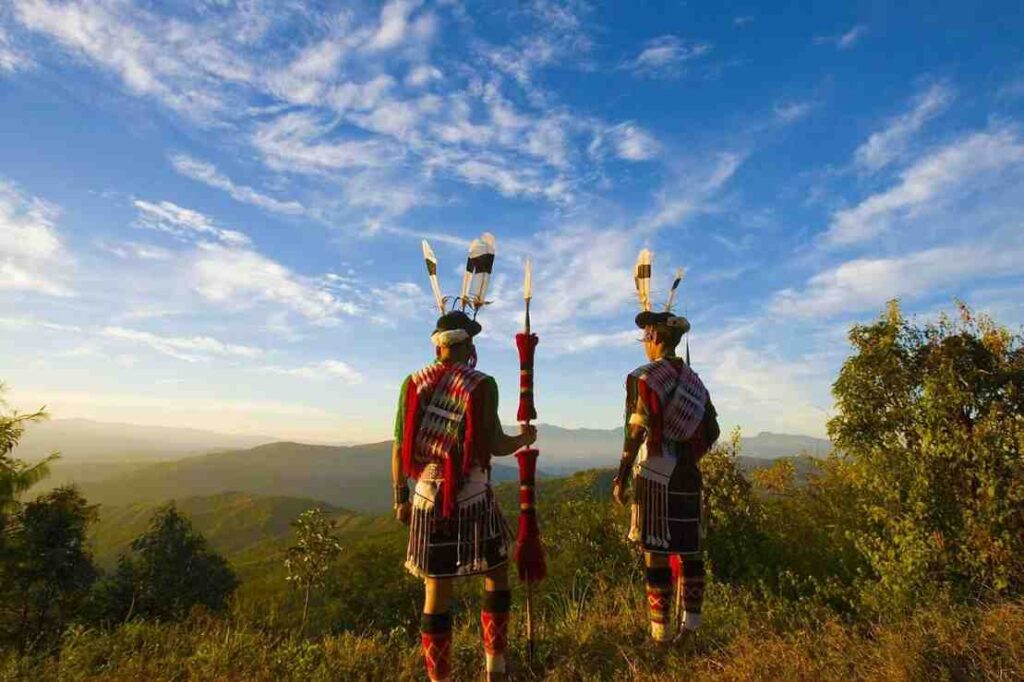
Nagaland, located in Northeast India, is known for its vibrant tribal traditions, strong community lifestyle, and rich cultural identity. The state is home to 16 major Naga tribes, each with distinct customs, dialects, traditional attire, and cultural practices, making Nagaland one of India’s most culturally unique destinations.
Tribal Heritage of Nagaland
Nagaland’s cultural identity is deeply rooted in its tribal communities and traditional village life.
Major Naga Tribes
- Angami
- Ao
- Konyak
- Sumi
- Rengma
- Lotha
- Chakhesang
- Phom
- Chang
Each tribe is known for:
- Traditional dress and ornaments reflecting tribal identity
- Folk dances and music performed during festivals
- Wood carvings and handicrafts showcasing artistic heritage
- Village governance systems based on community traditions
Village life remains central to Naga culture, and visitors can experience authentic tribal hospitality through homestays and cultural interactions.
Festivals of Nagaland
Festivals are an integral part of Naga culture, celebrating tribal heritage, harvest seasons, and community traditions.
Hornbill Festival
- Held every December at Kisama near Kohima.
- Showcases traditions of all Naga tribes.
- Features cultural performances, traditional food, handicrafts, and music.
- One of Nagaland’s biggest tourism attractions.
Other Important Festivals
- Moatsu Festival — Celebrated by the Ao tribe.
- Sekrenyi Festival — Major festival of the Angami tribe.
- Tokhu Emong — Harvest festival of the Lotha tribe.
- Aoling Festival — Celebrated by the Konyak tribe.
Religion and Lifestyle in Nagaland
- Christianity is widely practiced across the state.
- Traditional animistic beliefs continue to influence customs and rituals.
- Strong community bonding and village traditions define the Naga way of life.
Naga Cuisine
The food culture of the state reflects simple, organic cooking methods and bold flavors.
- Smoked pork dishes — A staple in Naga cuisine.
- Bamboo shoot preparations — Common ingredient in many dishes.
- Axone (fermented soybean) — Traditional flavoring agent.
- Sticky rice — Widely consumed staple food.
- Traditional rice beer — Served during festivals and gatherings.
Top Tourist Destinations in Nagaland
1. Kohima — Cultural and Historical Hub
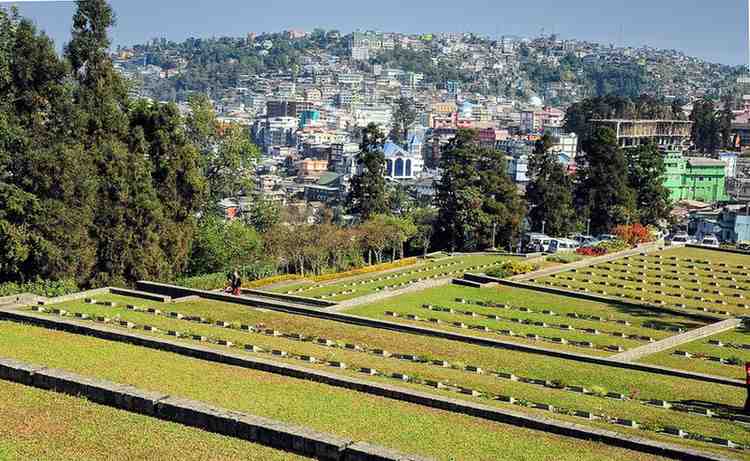
Kohima, the capital of the state, serves as the cultural and historical gateway to the state. Known for its World War II heritage, vibrant festivals, traditional villages, and local markets, Kohima offers visitors a deep insight into Naga culture and history.
Key Highlights
- Kohima War Cemetery — Historic World War II memorial honoring fallen soldiers.
- Hornbill Festival venue — Host of Nagaland’s biggest cultural festival.
- Local markets and handicrafts — Traditional Naga textiles, crafts, and souvenirs.
- Traditional Naga villages — Authentic tribal lifestyle and heritage.
Best Experiences
- Cultural tourism and heritage exploration
- Festival participation, especially the Hornbill Festival
- Local Naga food exploration
- Heritage walks through historic sites
Kohima offers a rich blend of history, culture, and tradition, making it one of Nagaland’s top tourist destinations.
2. Dzükou Valley — Trekker’s Paradise
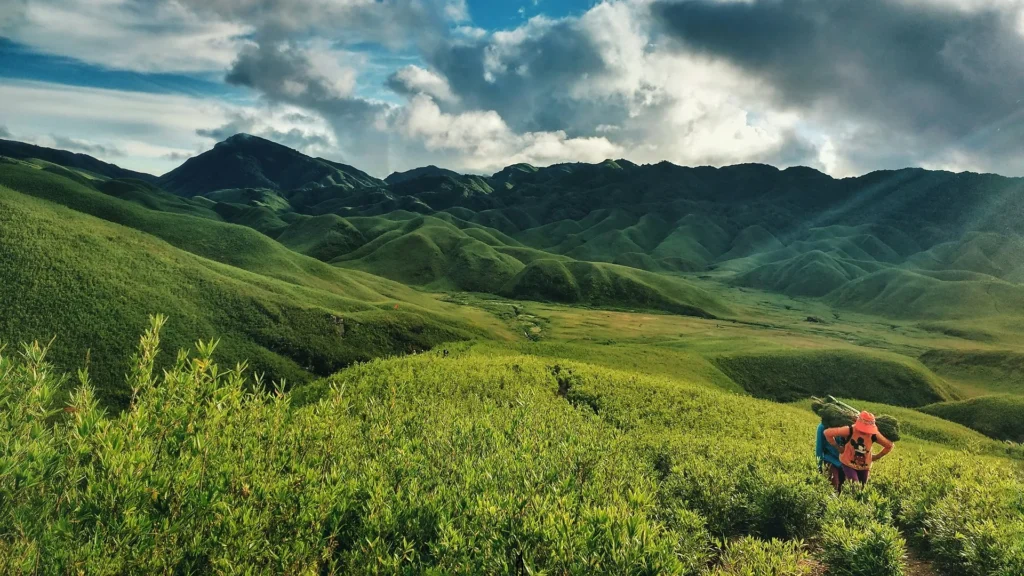
Dzükou Valley, located on the Nagaland–Manipur border, is one of Northeast India’s most stunning natural destinations. Known for its rolling green hills, seasonal flowers, and scenic trekking routes, the valley is a paradise for trekkers and nature lovers.
Key Highlights
- Panoramic valley views — Vast landscapes of lush green hills.
- Rare Dzükou lily — Unique seasonal flower found only in the valley.
- Camping and trekking routes — Popular trails for adventure seekers.
- Sunrise and sunset viewpoints — Spectacular scenic views.
Best Experiences
- Trekking adventures through scenic trails
- Camping in pristine natural surroundings
- Landscape and nature photography
- Nature exploration and outdoor activities
Dzükou Valley offers breathtaking landscapes, unique flora, and thrilling trekking experiences, making it a must-visit destination in Nagaland and Manipur.
3. Mon District — Land of the Konyak Warriors
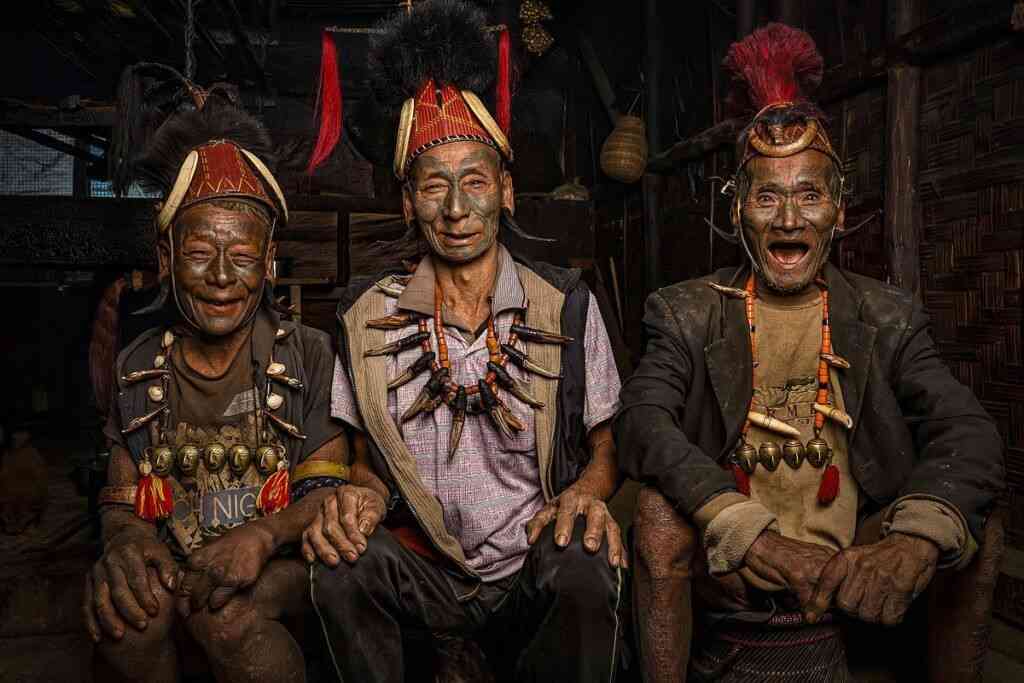
Mon District is known as the land of the Konyak warriors and offers one of the most unique cultural experiences in Northeast India. The region is famous for its indigenous traditions, tattooed warrior heritage, and authentic tribal lifestyle.
Key Highlights
- Konyak tribal culture — Rich indigenous traditions and customs.
- Tattooed warrior traditions — Unique cultural identity of the Konyak tribe.
- Longwa Village — Fascinating village located on the India–Myanmar border.
- Traditional houses and customs — Authentic Naga architecture and lifestyle.
Best Experiences
- Tribal village visits and cultural exploration
- Cultural immersion in Konyak traditions
- Indigenous heritage tourism
- Cultural and lifestyle photography
Mon District offers a rare glimpse into ancient tribal traditions and indigenous heritage, making it a must-visit destination in Nagaland.
4. Khonoma — India’s First Green Village
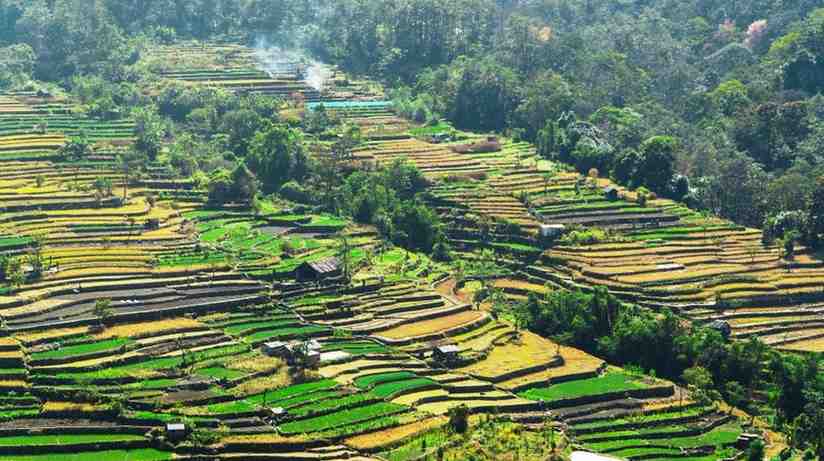
Khonoma, known as India’s first green village, is a model of sustainable tourism and eco-friendly living in Nagaland. Famous for its terraced farming, Angami tribal heritage, and conservation efforts, Khonoma offers an authentic and responsible travel experience.
Key Highlights
- Terraced farming landscapes — Scenic hills showcasing sustainable agriculture.
- Angami tribal culture — Rich traditions and indigenous lifestyle.
- Conservation-based tourism — Strong focus on environmental protection.
- Community homestays — Authentic village hospitality and experiences.
Best Experiences
- Eco-tourism and sustainable travel
- Village stays with local communities
- Cultural learning and tribal interaction
- Nature walks through scenic landscapes
Khonoma offers a unique blend of sustainability, culture, and natural beauty, making it a must-visit destination in Nagaland.
5. Kisama Heritage Village — Cultural Hub of Nagaland
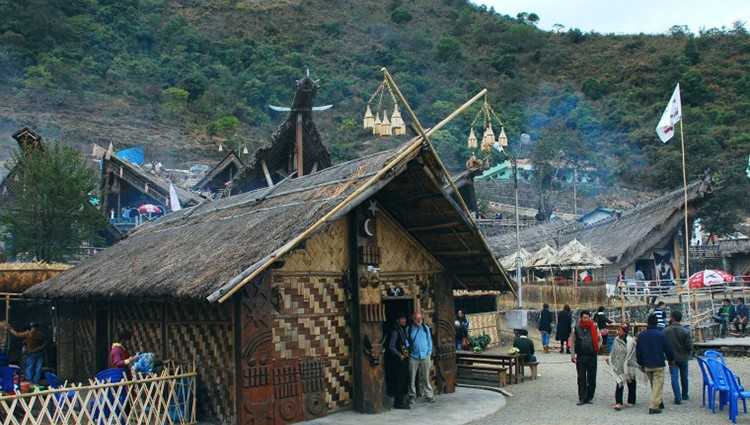
Kisama Heritage Village, located near Kohima, is a major cultural center showcasing Naga tribal traditions, architecture, and lifestyle. The village is best known for hosting the annual Hornbill Festival every December, making it a key destination for cultural tourism in Northeast India.
Key Highlights
- Hornbill Festival venue — Hosts Nagaland’s biggest cultural festival every December.
- Showcase of Naga tribal traditions — Displays customs, rituals, and heritage of different tribes.
- Traditional Naga houses — Authentic tribal architecture and cultural exhibits.
- Cultural performances and crafts — Folk music, dance, food, and handicrafts.
Best Experiences
- Festival participation and cultural events
- Exploring traditional Naga heritage and architecture
- Cultural learning and tribal interaction
- Photography of festivals and the traditional lifestyle
Kisama Heritage Village offers an immersive experience of Naga culture and traditions, making it a must-visit destination.
Other Must-Visit Places in Nagaland
- Dimapur — Commercial hub and entry point
- Mokokchung — Cultural center of Ao tribe
- Wokha — Scenic hill district
- Tuophema Village — Heritage tourism village
- Japfu Peak — Second-highest peak in Nagaland
Top Experiences in Nagaland
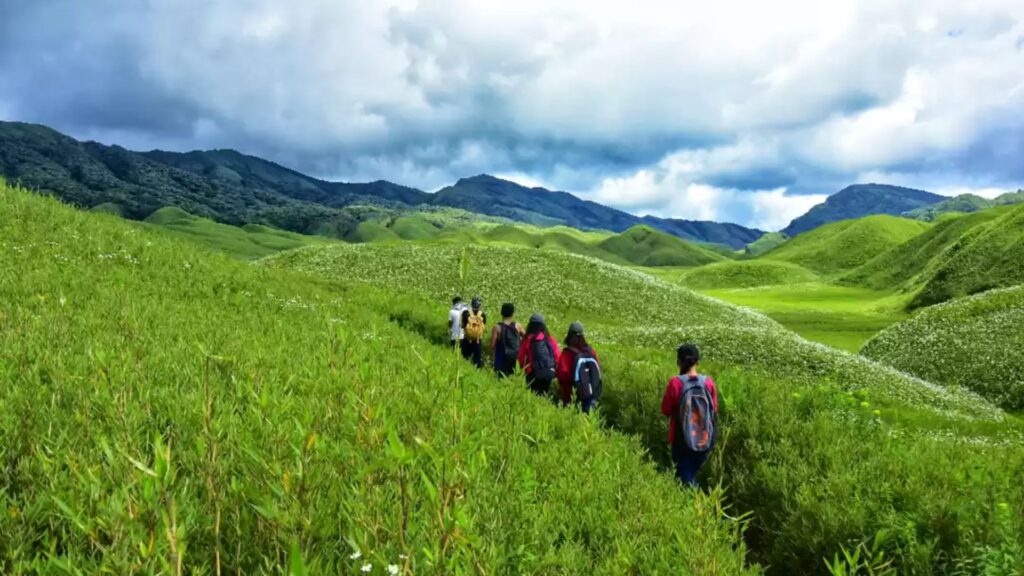
Nagaland offers a unique mix of cultural immersion, adventure tourism, and rural experiences. From vibrant tribal traditions to scenic trekking routes, the state provides authentic travel experiences in Northeast India.
Cultural Tourism in Nagaland
- Tribal village stays — Experience traditional Naga lifestyle and hospitality.
- Festival participation — Witness vibrant celebrations like the Hornbill Festival.
- Handicrafts and textiles shopping — Buy traditional Naga crafts and handwoven products.
- Traditional cooking experiences — Taste and learn authentic Naga cuisine.
Adventure Tourism
- Trekking in Dzükou Valley — Explore scenic trails and rolling green landscapes.
- Mountain hiking — Discover the rugged hill terrain.
- Village exploration trails — Walk through traditional settlements.
- Camping — Stay in serene natural surroundings.
Nature & Rural Experiences
- Forest exploration — Discover rich biodiversity and landscapes.
- Birdwatching — Spot rare and exotic bird species.
- Organic farming experiences — Learn traditional agricultural practices.
- Landscape photography — Capture scenic hills and rural beauty.
Nagaland offers diverse travel experiences combining culture, adventure, and nature, making it a must-visit destination in Northeast India.
Best Time to Visit Nagaland
- October to May — Best weather for travel
- December — Visit for Hornbill Festival
- March to April — Pleasant climate and greenery
- June to September — Monsoon season (limited travel)
Key Tourist Information for Nagaland
Inner Line Permit (ILP)
Indian tourists require an Inner Line Permit (ILP) to enter the state.
How to Apply
- Available online
- Obtainable at Nagaland House offices
- Requires ID proof and travel details
Foreign tourists currently do not require special permits but must register with the authorities.
Travel Essentials
- Limited ATM access outside major towns
- Mobile connectivity varies in remote areas
- Carry cash and warm clothing
- Respect tribal customs and traditions
- Hire local guides for remote destinations
How to Reach Nagaland
By Air
- Dimapur Airport — Only airport in the state
- Connected to major Indian cities
- Taxi services available to Kohima and other regions
By Train
- Dimapur Railway Station connects to Guwahati and major cities
By Road
- Well-connected by road from Assam
- Regular buses and shared taxis are available
Accommodation in Nagaland (Local Tourism Opportunities)
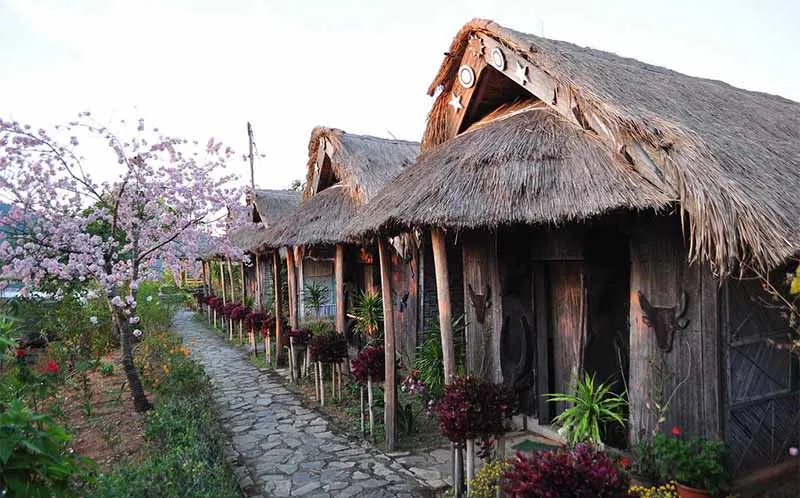
Travelers can choose from:
- Traditional tribal homestays
- Community eco-lodges
- Guesthouses
- Boutique heritage stays
Homestays provide authentic experiences and support local communities — making them highly popular among experiential travelers.
Why Visit Nagaland
Nagaland offers one of India’s most authentic travel experiences — rich tribal traditions, vibrant festivals, pristine landscapes, and genuine hospitality. It is ideal for travelers seeking cultural immersion, offbeat destinations, and meaningful tourism.
For those exploring Northeast India, Nagaland is not just a destination — it is a living cultural experience.
