




The first thing to understand about Kolasib is its position. Tucked into the northeastern corner of Mizoram, sharing borders with Assam to the north and Cachar district to the east, Kolasib district is the natural gateway through which travelers entering Mizoram from the Assam side first encounter the Mizo Hills. The Tlawng River — the longest river in Mizoram at 185 kilometres — flows through the district, and the drive from Silchar or Jiribam into Kolasib follows its valley, the water and the hills arriving together as the first impression of the state.
It is the smallest of Mizoram’s eleven districts by area, but it punches above its geographical weight in terms of its role in the state’s connectivity and economy. The Bairabi dam on the Tlawng (Dhaleswari) River within the district is the site of one of Mizoram’s most significant hydroelectric infrastructure projects. Kawnpui, the second-largest town in the district, is a bustling trading post that serves as a commercial relay between Silchar (Assam) and Aizawl. And the Pualreng Wildlife Sanctuary, covering 50 square kilometres of forested hills in the district’s northern section, provides an accessible wildlife experience unusually close to the Assam border.
Quick Facts About Kolasib
| State | Mizoram |
| Status | Smallest district in Mizoram by area |
| District HQ | Kolasib town |
| Distance from Aizawl | Approximately 95 km north on NH306 |
| Distance from Silchar (Assam) | Approximately 100 km |
| River | Tlawng (Dhaleswari) — Mizoram’s longest river at 185 km flows through the district |
| Key Infrastructure | Bairabi Dam on the Tlawng River — hydroelectric project |
| Protected Area | Pualreng Wildlife Sanctuary — 50 sq km |
| ILP Required | Yes — Mizoram ILP for all Indian nationals entering Mizoram |
| Best Time | October to April |
The Tlawng River — The Artery of Kolasib
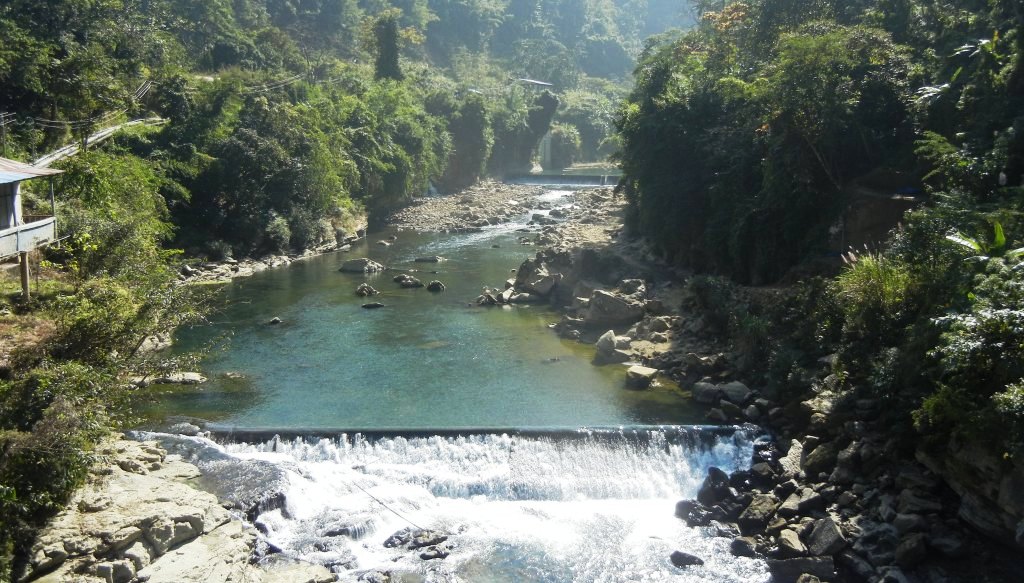
The Tlawng River, known as the Dhaleswari once it crosses into Assam, is Mizoram’s longest and most significant river — a 185-kilometre waterway that originates in the hills of Aizawl district and flows northward through Kolasib before entering the Barak Valley of Assam. In Kolasib district, the Tlawng runs through a valley of considerable scenic quality — the river and the forested hills that frame it on both sides create a landscape that rewards travellers who take the slower, more attentive approach to the drive between Aizawl and the Assam border.
The Bairabi Dam: The Bairabi project on the Tlawng within the district represents one of Mizoram’s ongoing efforts to harness its abundant river energy for hydroelectric power. The reservoir created by the dam is a scenic addition to the already beautiful river valley.
River-based recreation: The Tlawng at Kolasib offers fishing, riverside picnicking, and the kind of quiet water-edge experience that the more touristed destinations of the Mizo Hills do not always provide. Local families use the river banks for weekend recreation throughout the year.
Top Attractions in Kolasib
1. Pualreng Wildlife Sanctuary
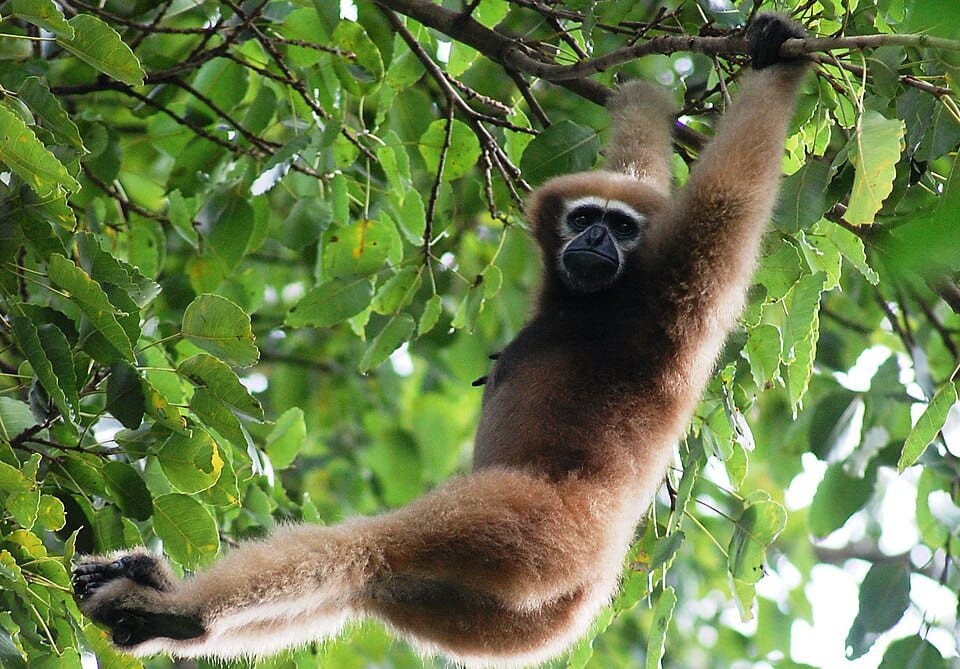
Pualreng Wildlife Sanctuary, covering 50 square kilometres of subtropical and semi-evergreen forest in the northern section of the district, is the primary wildlife destination in Kolasib. The sanctuary’s forest supports populations of Hoolock Gibbon — Asia’s only ape, whose haunting dawn calls carry across the forested valleys — alongside Barking Deer, Serow, and a diverse community of forest birds including multiple hornbill species.
- Hoolock Gibbon: the star species; dawn calls audible from the sanctuary boundary
- Barking Deer, Serow, Wild Boar: common in the mixed forest
- Bird diversity: hornbills, babblers, warblers; excellent dawn birdwatching
- Forest Department permit required; local guide recommended
2. Kawnpui Township
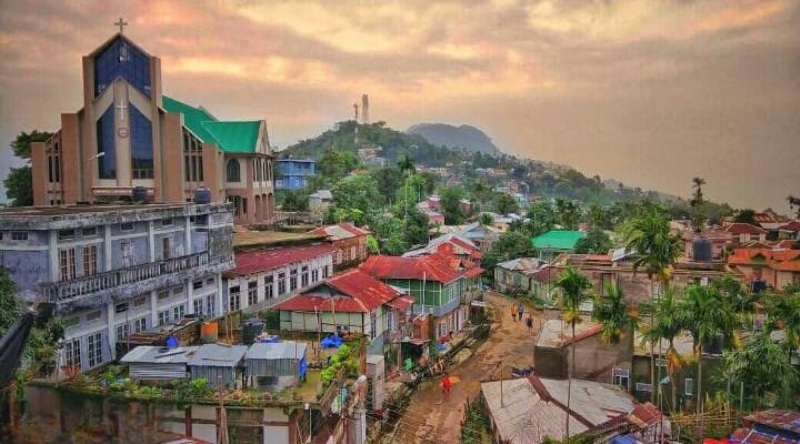
Kawnpui, approximately 50 kilometres from Kolasib town toward the Assam border, is the commercial gateway of northern Mizoram — a town with a distinctly frontier energy, its markets serving the trade routes between the Mizo Hills and the Barak Valley. The town is both a practical supply point for travelers entering Mizoram from Assam and a social document of the border economy between two culturally distinct regions.
- The weekly market brings traders from both Mizoram and the Assam border communities
- Good point to stock up on Mizo handicrafts and produce before entering the deeper hill country
- The road south from Kawnpui to Kolasib town passes through the finest river valley scenery in the district
3. The Tlawng Valley Drive — Aizawl to Kolasib
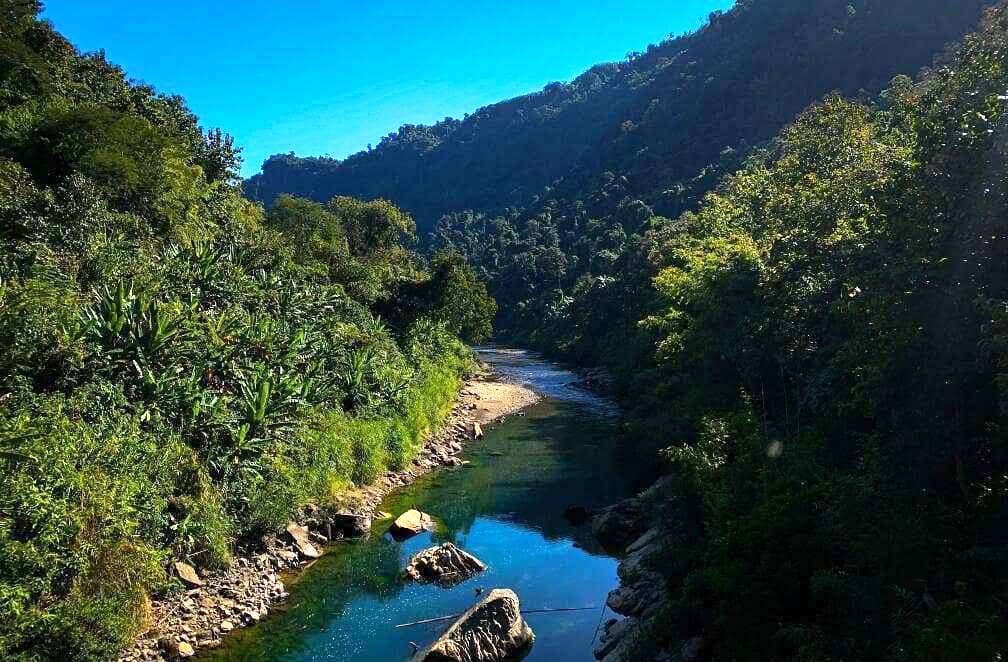
The 95-kilometre road from Aizawl to Kolasib along NH306 is one of the most underappreciated scenic drives in Mizoram — a descending route from the highland Aizawl plateau through progressively lower, warmer, and more subtropical terrain as the Tlawng valley opens below. The transition from the cool hill climate of Aizawl to the warmer, more tropical character of the Kolasib valley is a tangible experience of Mizoram’s altitudinal diversity.
Kolasib as the Northern ILP Gateway
For travelers entering Mizoram by road from Silchar (Assam) or Jiribam (Manipur), Kolasib district is the first point of entry — and the ILP checkpoint at the district boundary is where Mizoram ILP requirement becomes physically real. Travelers who have not processed their ILP in advance (online at mizoram.gov.in/ilp, or at Mizoram House offices in Guwahati, Kolkata, Delhi, or Shillong) will need to arrange it at this checkpoint — a process that is manageable but slower than advance online processing.
| ILP reminder: Mizoram requires an Inner Line Permit from all Indian nationals. Apply online at mizoram.gov.in/ilp before travel. The Kolasib district boundary ILP checkpoint is one of several entry points where the permit is verified. Advance application ensures smooth entry and avoids delays at the checkpoint. Source: Mizoram Tourism official; mizoram.gov.in/ilp. |
Also Read: How to Apply For Travel Permits for Traveling to Northeast India
How to Reach
- From Aizawl: 95 km north on NH306; approximately 2–2.5 hours.
- From Silchar (Assam): Approximately 100 km; 3–4 hours through the Barak Valley and the Mizoram border crossing.
- By Train: Bairabi station (on the Jiribam–Bairabi narrow-gauge section) is within Kolasib district; limited but functional connection.
Best Time to Visit
- October to March: Best weather; wildlife sanctuary accessible; Tlawng river clear
- April to May: Pre-monsoon; warm and lush; pleasant for the valley drive
- June to September: Monsoon; heavy rain; some roads affected; river at maximum volume
