




Northeast India is one of the country’s most untouched and culturally diverse regions. From Meghalaya’s living root bridges and Assam’s wildlife to the tribal traditions of Nagaland and the monasteries of Arunachal Pradesh, the region offers experiences that feel authentic and deeply connected to nature.
But with tourism growing rapidly, many destinations are now facing challenges like plastic waste, overcrowding, and environmental damage.
That is why responsible tourism in Northeast India matters more than ever.
Traveling responsibly means respecting local communities, protecting fragile ecosystems, supporting local businesses, and reducing your environmental impact. In this guide, we explore 9 practical and eco-friendly travel tips for Northeast India to help you travel more consciously and respectfully.
Here’s how you can be a responsible traveler across Northeast India and beyond:
Why Responsible Tourism Matters More Than Ever in Northeast India
Tourism in Northeast India has grown rapidly in recent years, with destinations like Dawki, Tawang, Ziro Valley, and Dzukou Valley attracting more travelers than ever before. While this growth supports local economies, it also creates challenges for the region’s fragile ecosystems and indigenous communities.
Many popular destinations are now facing issues such as:
- Plastic waste and pollution
- Overcrowding during peak seasons
- Disturbance to wildlife and forests
- Cultural insensitivity toward local traditions
- Pressure on local resources and infrastructure
According to UN Tourism, sustainable tourism is becoming increasingly important in ecologically sensitive destinations worldwide.
That is especially true for Northeast India, where nature, culture, and community life remain deeply connected. Responsible tourism in Northeast India is ultimately about exploring the region while respecting the people, traditions, and landscapes that make it unique.
As tourism continues to grow across the region, traveling responsibly has become more important than ever. Small choices made by travelers can help protect local communities, preserve fragile ecosystems, and support sustainable tourism in Northeast India.
1. Embrace Local Culture With Respect
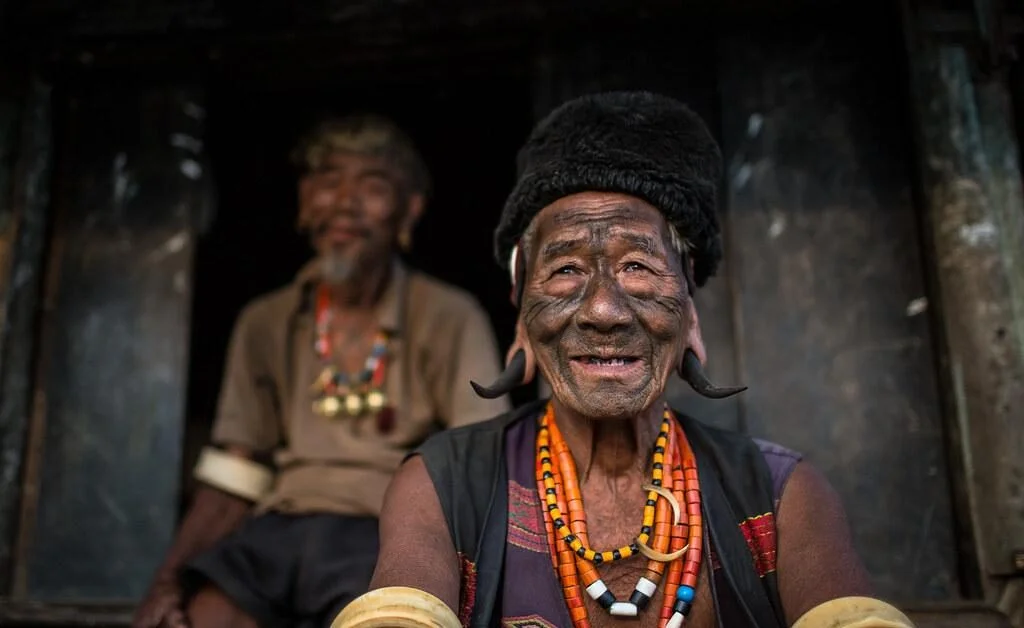
Northeast India is home to hundreds of indigenous communities, each with its own traditions, languages, and customs. Respecting local culture is one of the most important parts of responsible tourism in Northeast India.
Simple actions can leave a positive impression:
- Learn a few local greetings
- Dress respectfully near sacred sites and villages
- Ask before photographing people or ceremonies
- Respect local customs and traditions
Travelers who respect local culture in Northeast India often experience more meaningful connections with local communities. In many parts of Northeast India, genuine curiosity and humility are usually met with warm hospitality.
2. Tread Lightly on the Environment
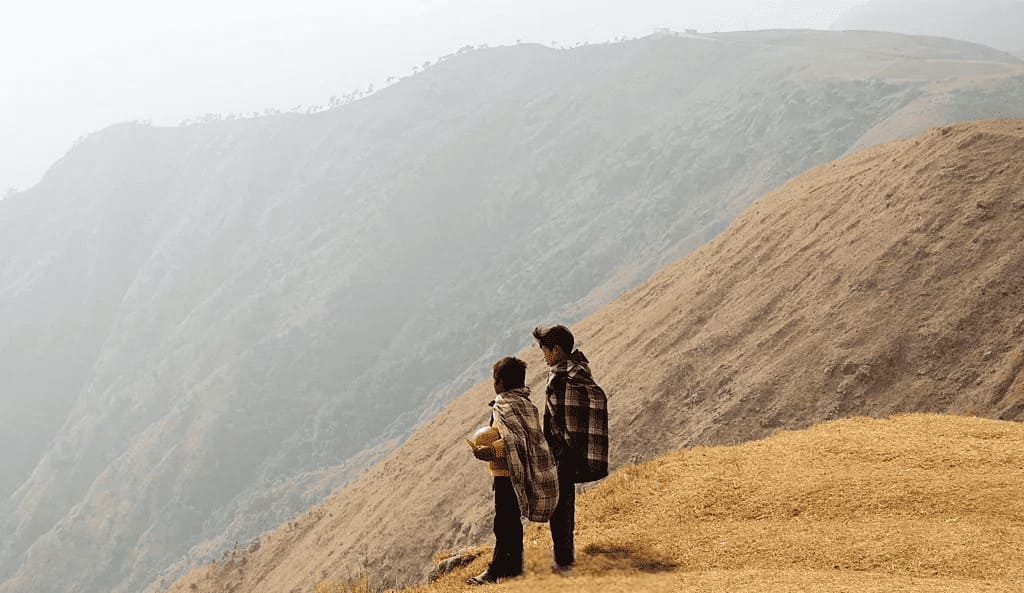
Northeast India is known for its rivers, forests, waterfalls, and mountain landscapes. But growing tourism is also increasing problems like plastic waste and environmental damage in several destinations.
Practicing sustainable travel in Northeast India often comes down to small but important habits:
- Carry a reusable water bottle and bag
- Avoid single-use plastics
- Stay on marked trekking trails
- Do not litter near rivers or forests
- Conserve water and electricity during your stay
Waste management remains difficult in many remote areas, which makes responsible travel even more important. One of the best eco-friendly travel tips for Northeast India is simple — leave every place exactly as you found it.
3. Support Local and Travel Fair
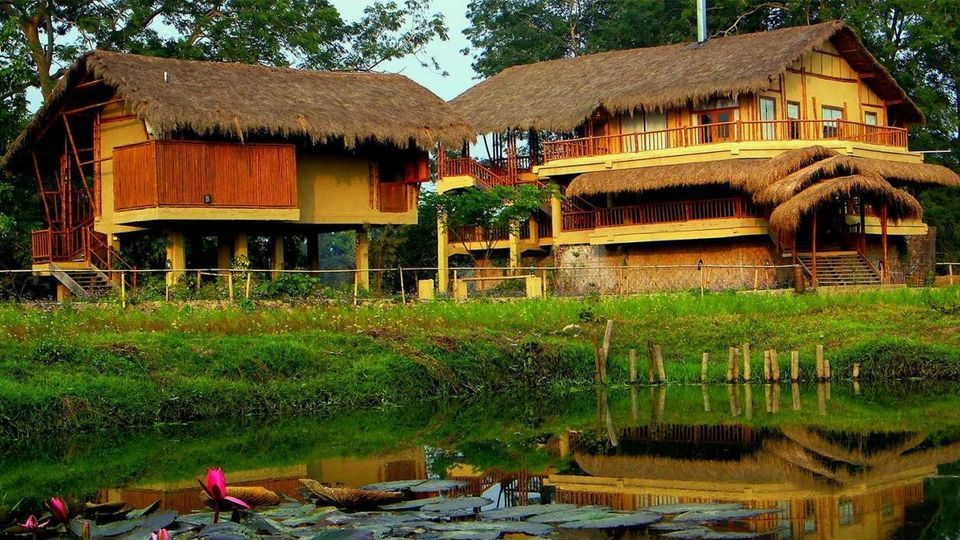
Every purchase you make while traveling has an impact on the local economy. Choosing locally-owned businesses helps ensure that tourism directly benefits the communities you visit.
Instead of large commercial chains, try to support:
- Family-run homestays
- Local guides and drivers
- Small cafés and restaurants
- Community-led experiences
- Local artisans and handicraft sellers
Responsible tourism in Northeast India is not just about protecting nature — it is also about supporting the people who preserve the region’s culture and traditions.
Buying locally-made products and eating regional food also creates a more authentic travel experience while helping small businesses grow sustainably.
4. Respect Wildlife and Natural Ecosystems
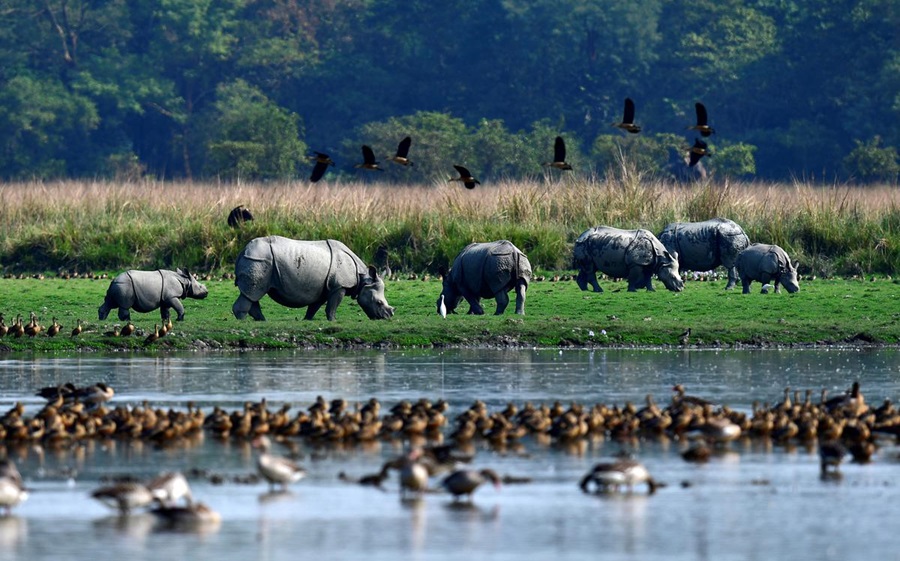
Northeast India is home to rare wildlife species, dense forests, and fragile ecosystems that need careful protection. From the one-horned rhinoceroses of Assam to the forests of Arunachal Pradesh, many natural habitats are highly sensitive to human disturbance.
Responsible tourism in Northeast India means treating wildlife with respect.
While exploring forests, national parks, or trekking routes:
- Observe animals from a safe distance
- Avoid feeding wildlife
- Do not play loud music in natural areas
- Stay on designated trails
- Avoid activities that exploit animals for tourism
Even small actions can affect local ecosystems. Respecting nature helps preserve the wild beauty that makes Northeast India so unique.
5. Travel Safely and Responsibly

Adventure tourism is becoming increasingly popular across Northeast India, especially in destinations known for trekking, camping, rafting, and offbeat road trips. While exploring these places, it is important to travel safely while respecting local communities and environments.
A few responsible travel habits can make a big difference:
- Follow local safety guidelines and community rules
- Choose ethical local operators for adventure activities
- Respect restricted or sensitive areas
- Avoid overcrowded or off-limit locations
- Listen to local advice during bad weather or emergencies
Responsible tourism in Northeast India also means understanding that some areas are culturally or environmentally sensitive. Traveling with awareness and respect helps create safer and more positive experiences for both visitors and local communities.
6. Be a Curious Learner, Not Just a Tourist
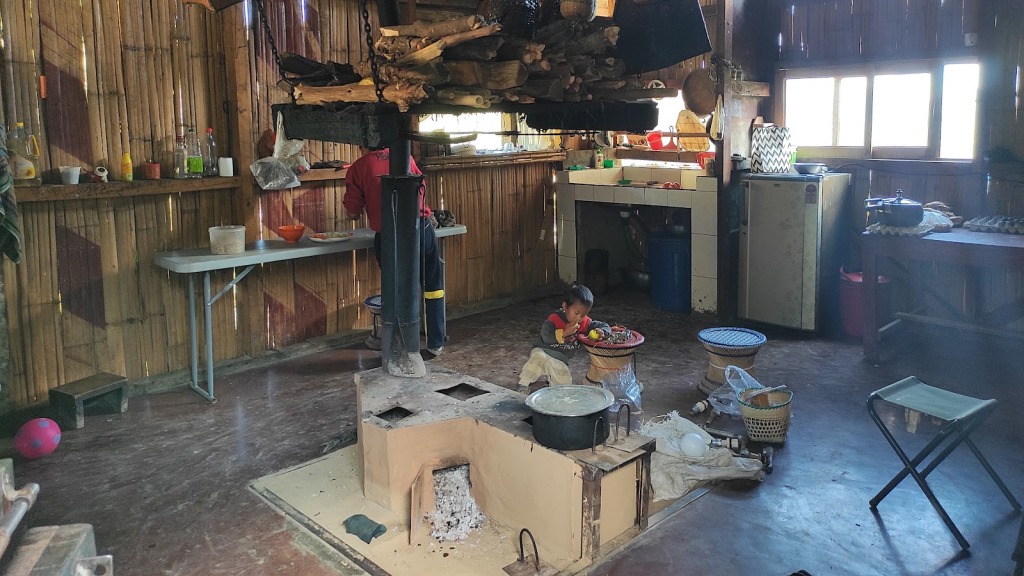
Travel becomes far more meaningful when you take the time to understand the places you visit. Northeast India has a rich history, diverse traditions, and unique local stories that often go far beyond what appears on social media.
Instead of rushing from one attraction to another:
- Ask questions and listen to local stories
- Learn about regional festivals and traditions
- Try traditional food with an open mind
- Respect different lifestyles and viewpoints
- Avoid stereotypes about local communities
Responsible tourism in Northeast India is not only about seeing new places — it is also about learning from the people who call those places home. Often, the most memorable experiences come from genuine conversations and cultural exchanges.
7. Respect Sacred and Community Spaces

Many places across Northeast India hold deep cultural and spiritual significance for local communities. Monasteries, sacred forests, village grounds, and traditional gathering spaces should always be treated with respect.
While visiting such places:
- Follow local rules and customs
- Avoid loud behavior or disruptive photography
- Dress appropriately when required
- Do not enter restricted areas without permission
Responsible tourism in Northeast India also means understanding that not every place is designed for tourism or social media content.
8. Choose Experiences Over Social Media Validation
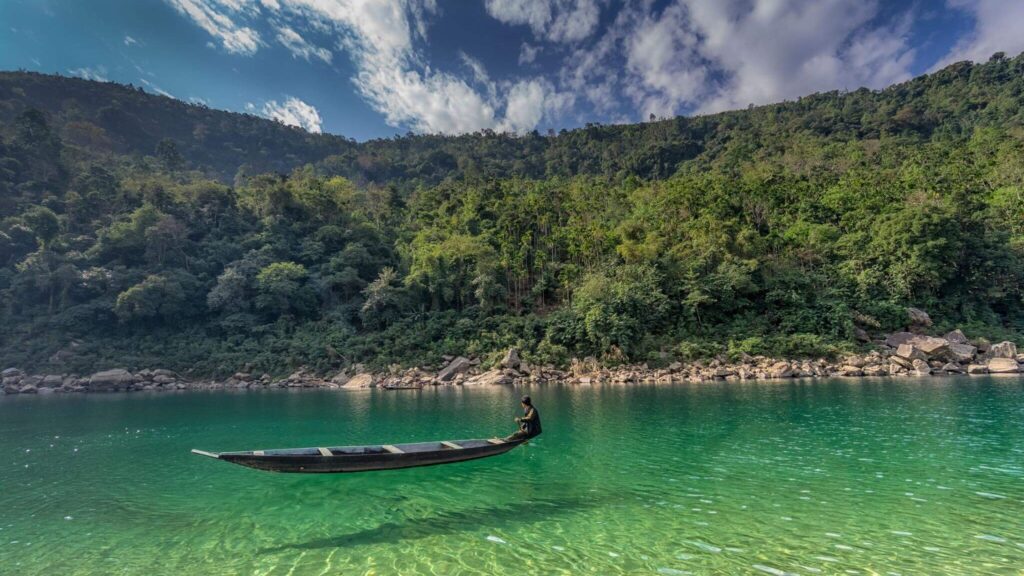
Social media has helped Northeast India gain global attention, but it has also encouraged reckless travel behavior in some destinations. Dangerous selfies, littering for photoshoots, and disturbing natural spaces for content creation are becoming growing concerns.
Instead of focusing only on capturing content:
- Be present during experiences
- Respect nature while taking photographs
- Avoid damaging landscapes for reels or photos
- Travel for connection, not just online attention
The most memorable moments are often the ones that never make it to social media.
9. Carry Responsible Travel Beyond the Trip
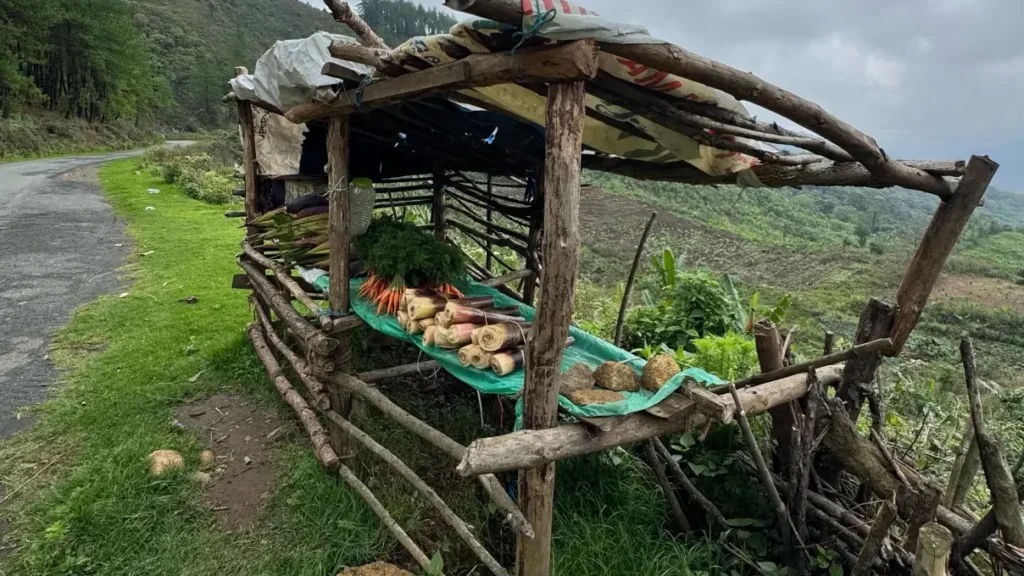
Responsible travel does not end when your journey is over. The way you share your experiences can also influence how others travel in the future.
After your trip, try to:
- Recommend ethical local businesses
- Share eco-friendly travel experiences
- Encourage respectful behavior among other travelers
- Leave honest reviews that support responsible tourism initiatives
- Promote sustainable travel in Northeast India through your content and conversations
Even small efforts can help create more awareness about responsible tourism in Northeast India. When travelers choose to travel more consciously, it helps protect the region’s culture, communities, and natural beauty for future generations.
Final Thoughts
Northeast India offers some of the most authentic travel experiences in the country — from untouched landscapes and rich biodiversity to deeply rooted cultures and traditions. But preserving that beauty requires travelers to explore the region with greater awareness and respect.
Responsible tourism in Northeast India is ultimately about making thoughtful choices. Supporting local communities, reducing waste, respecting wildlife, and being mindful of local customs can all create a positive impact on the places you visit.
The goal is simple: leave behind good memories, not damage. When travelers move with curiosity, humility, and care, tourism becomes a way to protect Northeast India rather than harm it.
