




Assam is a plains state. Its great defining feature — the Brahmaputra valley — is flat, fertile, and sprawling: a landscape of rivers, tea gardens, wildlife reserves, and ancient kingdoms built on alluvial soil. Finding a proper hill station in Assam requires travelling south from the Brahmaputra into the Dima Hasao district and ascending into the Barail Range — the highest hill range in Assam, whose tallest peaks rise above a landscape of extraordinary tribal and ecological diversity.
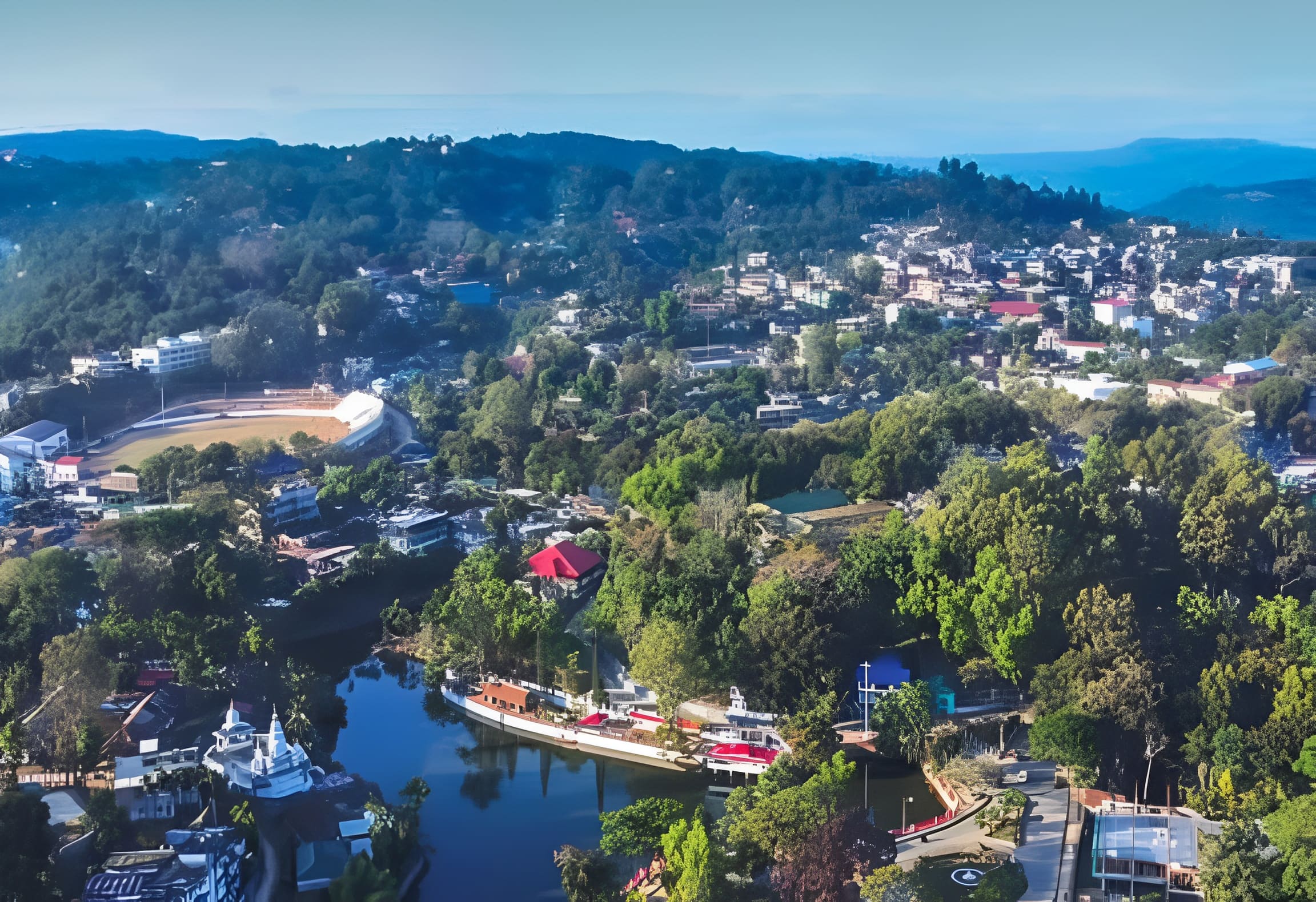
Haflong, the district headquarters at 966 metres above sea level, is the only proper hill station in Assam: the sole place in the state where altitude provides genuine escape from the plains heat, where the air carries the cool of the hills, and where the town itself sits among the peaks rather than below them.
Informally called the Switzerland of the Northeast, the comparison is earned: undulating valleys, deep forests, shimmering lakes, and layered hill views define the Dima Hasao landscape. But the district’s deeper distinction lies in its human geography — eight or more distinct tribal communities, a medieval kingdom whose ruins survive at Maibang, a GI-tagged rice wine with a 2,000-year tradition, and one of the most genuinely puzzling wildlife phenomena in South Asia.
Haflong Travel Guide: Planning Your Trip to Assam’s Only Hill Station
| State | Assam |
| District | Dima Hasao (formerly North Cachar Hills) |
| Status | District headquarters; Assam’s only hill station |
| Altitude | 966 metres (3,170 feet) |
| Distance from Guwahati | ~310 km; 7–8 hours by road or train via Lumding |
| Distance from Silchar | ~150 km; how to travel from Silchar to Haflong by road: NH27 via Jiribam direction; approx. 4–5 hours |
| Railway Station | New Haflong Station (NHLG) — Lumding–Silchar scenic hill line |
| Vistadome Train | Train No. 15887/15888 (Guwahati–Haflong Vistadome) — glass ceiling, rotating seats; book weeks in advance on IRCTC |
| Nearest Airports | Silchar (Kumbhirgram Airport, 108 km); Guwahati (310 km) |
| Governance | Dima Hasao Autonomous Council (DHAC) under Sixth Schedule of the Constitution |
| Tribes | Dimasa, Hmar, Kuki, Hrangkhol, Mizo, Baite, Vaiphei, Rongmei Naga |
| Key Attractions | Haflong Lake; Jatinga Valley; Maibang ruins; Borail Range; Garampani Hot Springs |
| Best Time | October to April |
| Key Festivals | Bushu Dima (Dimasa, January–February); Judima Festival (check dates); Jatinga phenomenon (Sep–Oct) |
The Barail Range Railway: Navigating the New Haflong Hill Line Journey
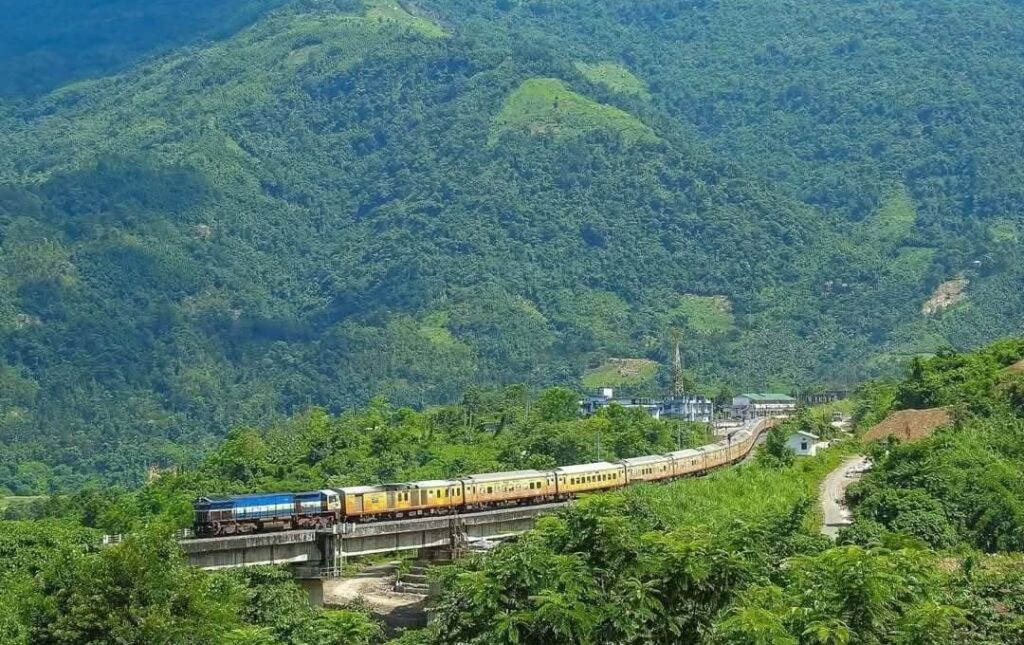
The journey to Haflong is as much a part of the experience as the destination. The Lumding–Silchar broad-gauge hill line — on which New Haflong Station (NHLG) sits — is one of the most scenic railway routes in Northeast India, threading through the Barail Hills across multiple tunnels and bridges while the forest-covered hillsides drop away below. The elevation change across the corridor is one of the steepest achievable by broad-gauge rail in Assam:
| Location | Altitude | Landscape | Traveler Notes |
| Guwahati Plains | ~50 m | Flat / Hot | Departure point; last major ATMs and supplies |
| Lumding Junction | ~125 m | Foothills Transition | Change to Lumding–Silchar hill line here |
| New Haflong Station | 966 m | Cool Hill Station | Haflong Lake; Jatinga; tribal culture; trekking base |
| Borail Peaks | 1,866 m | High Trekking Zone | Thingthubung and Hempeupet; guide mandatory |
The Vistadome Train — Book Weeks in Advance
The Guwahati–Haflong Vistadome Train (Train No. 15887/15888) is the premier way to experience the hill line. The Vistadome coaches feature glass ceilings and 180-degree rotating seats designed specifically for viewing the Barail peaks as the train climbs through the forested gorges. The Guwahati to New Haflong Vistadome train ticket price is significantly higher than standard class but offers an entirely different experience of the journey.
| Vistadome Booking Warning Vistadome tickets sell out weeks in advance on the IRCTC portal. Do not rely on general quota tickets or last-minute bookings for this coach class. Log in to IRCTC as soon as your travel dates are confirmed and book the Vistadome quota specifically — it is a separate booking class from standard sleeper or AC coaches on the same train number. |
| Dima Hasao Autonomous Council (DHAC) — What Travelers Must Know. Unlike the rest of Assam, Dima Hasao is governed by the Dima Hasao Autonomous Council (DHAC) under the Sixth Schedule of the Indian Constitution. Indian nationals do not need an Inner Line Permit (ILP) to visit Haflong. However, commercial drone filming and academic research in tribal villages require prior courtesy clearance or formal notification at the DHAC secretariat in Haflong. Check Dima Hasao Autonomous Council Tourism for current guidelines before arriving with filming equipment. |
The Cultural Diversity of Dima Hasao: Dimasa Traditions and Beyond
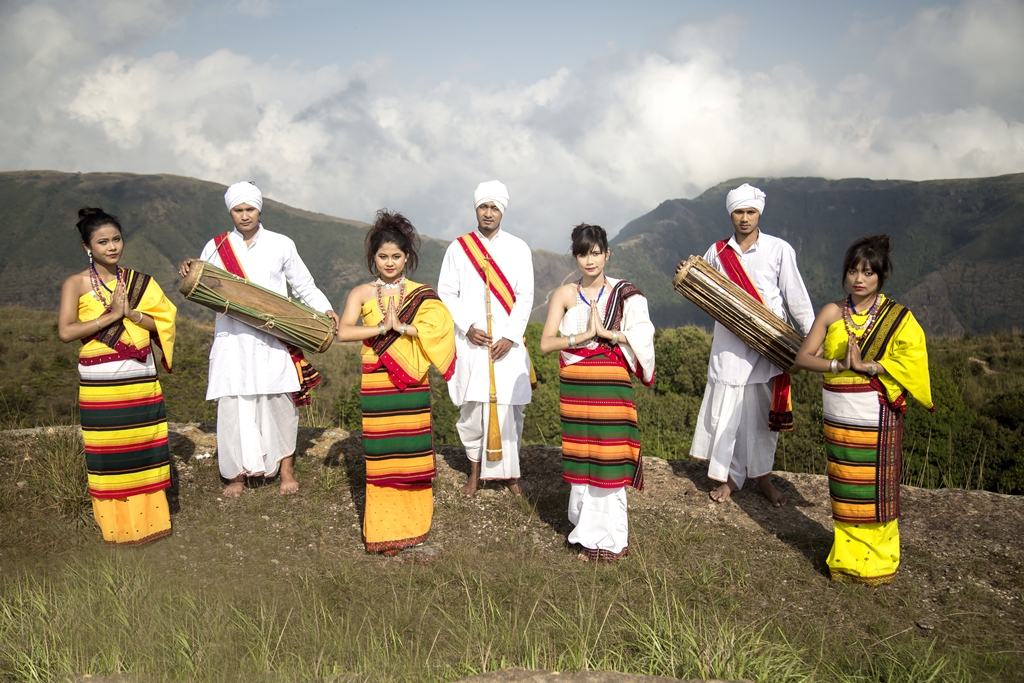
Dima Hasao’s tribal diversity is one of the most extraordinary in Assam — a district where eight or more distinct communities maintain their own cultural traditions, festivals, languages, and foodways in a geography that has kept them distinct from the plains. The most historically significant are the Dimasa Kachari, who built the Kachari Kingdom with its capitals at Maibang and Dimapur (now Nagaland). Their language is widely spoken in Haflong; their festival Bushu Dima (typically held in January–February) is the most important annual cultural event; and their traditional Judima rice wine is the district’s defining culinary offering.
The Hmar — a Zo people connected to the Mizo and Kuki communities across the Assam–Manipur–Mizoram border — are Christian by faith and known for their choral music and weaving traditions. Kuki, Hrangkhol, Rongmei Naga, Vaiphei, and Baite communities complete the district’s cultural mosaic, each maintaining distinct dress, ceremony, and architectural traditions visible at the Ethnic Village near Jatinga — one of the most concentrated cultural education spaces in Assam and almost completely unknown to mainstream tourism.
The Science and GI-Tag Legacy of Judima Rice Wine

Judima — the Dimasa community’s traditional fermented rice wine — received a Geographical Indication (GI) tag in 2021, the first GI tag for a rice wine from Northeast India. The annual Judima Festival combines wine tasting with traditional music, dance, and indigenous games. Bushu Dima festival dates and the Judima Festival are typically listed by Assam Tourism annually — confirm before planning a festival visit.
| Dima Hasao Cultural & Culinary Etiquette Guide Sipping Judima respectfully:If offered Judima during the Bushu Dima festival or at a homestay, accept it with both hands as a sign of respect. Don’t miss Samathu, a traditional Dimasa smoked meat dish flavored with local herbs and Bhut Jolokia. At Maibang’s Stone House, avoid touching or defacing the monument, which is sacred to the Dimasa community. For treks in the Borail Range, always hire a local guide, as dense forests and sudden fog can make trails difficult to navigate. |
Top Things to Do in Haflong: Lakes, Ruins, and Mountain Peaks
1. Haflong Lake: Dawn Mist and Blue Vanda Orchids
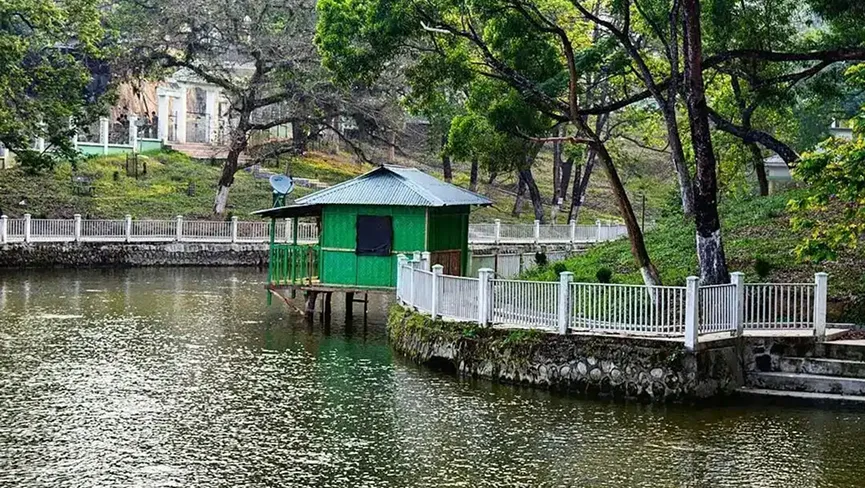
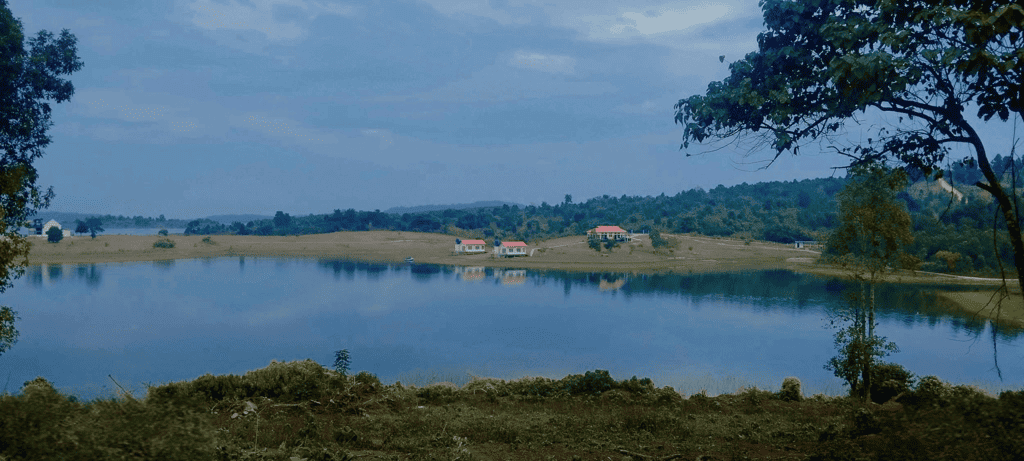
Haflong Lake — a pristine natural water body in the heart of the town — is the most immediately photogenic feature of the district headquarters. The lake reflects the surrounding hills and the clear hill sky; boating is available; and the lakeside environment is the social centre of Haflong’s evening life. The Orchid Garden adjacent to the lake showcases Assam’s orchid diversity including the stunning Blue Vanda — one of the most prized orchid species in Northeast India. Dawn is the finest visiting hour: the mist rising from the lake surface in cool mornings is one of Haflong’s finest natural spectacles.
2. The Jatinga Bird Mystery: Scientific Explanations and Best Visiting Windows
Nine kilometres from Haflong, the small village of Jatinga has been puzzling ornithologists since the phenomenon was first brought to international attention. During September and October, on moonless nights between 7 PM and 10 PM, thousands of birds of multiple species are drawn to the valley at night — flying toward artificial lights, disoriented, and dying in large numbers. Over 40 species have been recorded, including migratory birds drawn from much wider areas. Local Dimasa communities historically believed the phenomenon to be supernatural; ornithological research has pointed to magnetic anomalies, fog disorientation, and specific valley meteorology — without reaching complete consensus.
Best time to see the Jatinga bird phenomenon: The window is August to November, with September–October the most reliable peak. The phenomenon occurs on dark, foggy, moonless nights only.
| Jatinga Conservation Ethics — Essential Update: In recent years, the forest department and local conservationists have heavily restricted the use of high-power searchlights that historically disoriented the birds. Visitors must use designated eco-tourism watchtowers and strictly follow local forest department guidelines. Do not bring personal high-beam torches or commercial lighting equipment. The phenomenon is now managed as a conservation experience, not a spectacle. |
3. Exploring Maibang: Monolithic Ruins of the Medieval Dimasa Kingdom
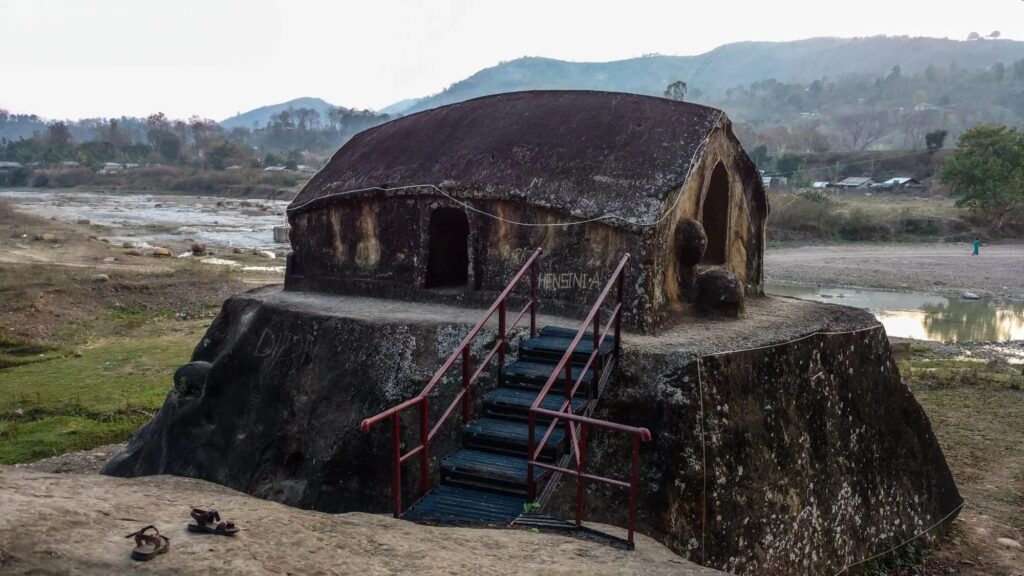
Maibang, 53 kilometres from Haflong on the bank of the Mahur River, was the capital of the Dimasa Kachari Kingdom in the medieval period. The ruins include the Stone House (the only ancient stone building structure in Dima Hasao, believed to be several centuries old), the Ramchandi Temple (still an active worship site), and scattered archaeological remains of the Dimasa court. The drive from Haflong takes approximately 2 hours through forested Dima Hasao scenery. The Mahur River flowing beside the ruins adds to the landscape quality.
4. Borail Range Trekking — The Highest Peaks in Assam
The Barail Range provides the backdrop for several trek routes accessible from Haflong. Thingthubung (1,866 m) is the tallest peak in the range — a full-day trek requiring a local guide. Hempeupet (1,748 m) is the second tallest in Assam. Both require hiring guides through the Ethnic Village or the Dima Hasao District Tourism Office; the deep bamboo forests are prone to sudden fog cover and navigating them alone is genuinely dangerous.
5. Umrangso & Garampani Hot Springs
Umrangso, approximately 112 kilometres from Haflong, is known for the Kopili Hydroelectric Project and for the Garampani hot springs, whose waters are believed locally to have therapeutic properties. The drive passes through some of the finest forested scenery in Dima Hasao and is itself worthwhile for the landscape.
| ⚠️ CRITICAL ROAD WARNING: NH27 Jatinga–Harangajao Monsoon Bottleneck The stretch of NH27 between Jatinga Junction and Harangajao is the most dangerous section of the road approach to Haflong during the monsoon. Heavy mudslides and structural road sinking are routine from June to September on this ridge, and the road can be cut off without warning. Road travelers should check current conditions with the Dima Hasao Autonomous Council (dimahasao.assam.gov.in) before attempting this drive in the summer months. The train is the strongly preferred alternative during monsoon. |
How to Reach Haflong: Vistadome Trains, NH27 Routes, and Airport Logistics
By train (recommended): New Haflong Station (NHLG) is on the Lumding–Silchar hill line. Trains from Guwahati run via Lumding Junction, where you change to the hill section. The Vistadome Train (15887/15888) with glass-ceiling coaches is the premier option — book Vistadome quota on IRCTC weeks in advance. Standard trains also run the route at lower fares.
By road from Guwahati (~310 km; 7–8 hours): NH27 connects Haflong to the national road network. The Jatinga–Harangajao section is a monsoon bottleneck (see warning above). Private taxis are the practical option; shared vehicles are available but add significant time.
How to travel from Silchar to Haflong by road: Approximately 150 km via NH27 toward the Jiribam direction; 4–5 hours depending on road conditions. Silchar is also the nearest major air gateway: Silchar’s Kumbhirgram Airport (108 km) has connections to Guwahati, Kolkata, and Imphal. Guwahati airport (310 km) has the broadest national connectivity.
Best Time to Visit Haflong
- October to April: Best overall; Haflong Lake at its clearest; Borail trekking accessible; Judima Festival (check current dates with Assam Tourism)
- September to October: The Jatinga bird phenomenon window — the primary reason many visitors time their visit to this period; best time to see Jatinga bird phenomenon is dark moonless nights in this window
- January to February: Bushu Dima festival — the most important Dimasa cultural celebration; traditional attire, folk dance, Judima; Bushu Dima festival dates and traditional dance events listed annually by Assam Tourism
- June to September (Monsoon): NH27 bottleneck risk between Jatinga and Harangajao; hills intensely green; train travel strongly preferred over road during this window
