




There is a hill in Kokrajhar that the Bodo people have climbed every spring for generations, not for the view from the top, but for what the climb itself represents — a pilgrimage of gratitude, a brush with legend, and the opening act of the Bodo New Year. This is the Baokhungri Festival, the biggest cultural celebration in the Bodoland Territorial Region, and one of Northeast India‘s most distinctive blends of mythology, religion, and pure adventure tourism.
The Baokhungri Festival is celebrated annually at Baokhungri Hill near Harinaguri in Kokrajhar, Assam, on Sankranti — the last day of the Bodo month of Chaitra, just before the Bodo New Year festival of Bwisagu begins. The 2026 edition, the 13th in the festival’s modern history, was held from April 12 to 14, 2026. Going by this consistent annual pattern, the 14th Baokhungri Festival 2027 is expected to fall around April 12–14, 2027, though the Bodoland Tourism Department and the organising committee will confirm exact dates closer to the time. We will update this guide the moment those dates are announced.
Quick Facts: Baokhungri Festival
| Detail | Information |
| Festival | Baokhungri Festival (Baukhungri Hajw Gakhwnai) |
| Expected 2027 Dates | Around April 12–14, 2027 (to be confirmed) |
| Timing | Sankranti, last day of Chaitra (Bodo calendar), eve of Bwisagu |
| Location | Baokhungri Hill, Harinaguri, Kokrajhar, Bodoland Territorial Region |
| Hill Altitude | Approximately 1,491–1,620 feet |
| Celebrated By | Bodo community of Assam |
| Duration | 3 days |
| Sacred Belief | Hill is the dwelling of Bwrai Bathou (Lord Shiva) |
| Origin Legend | Princess Deeplai’s sacrifice at the hill’s peak |
| Organised By | Bodoland Tourism Department with BTC Sports & Youth Welfare and Cultural Affairs |
| Key Activities | Hill trekking, paragliding, indigenous sports, folk dance, food festival |
What Is the Baokhungri Festival? Meaning Behind the Name
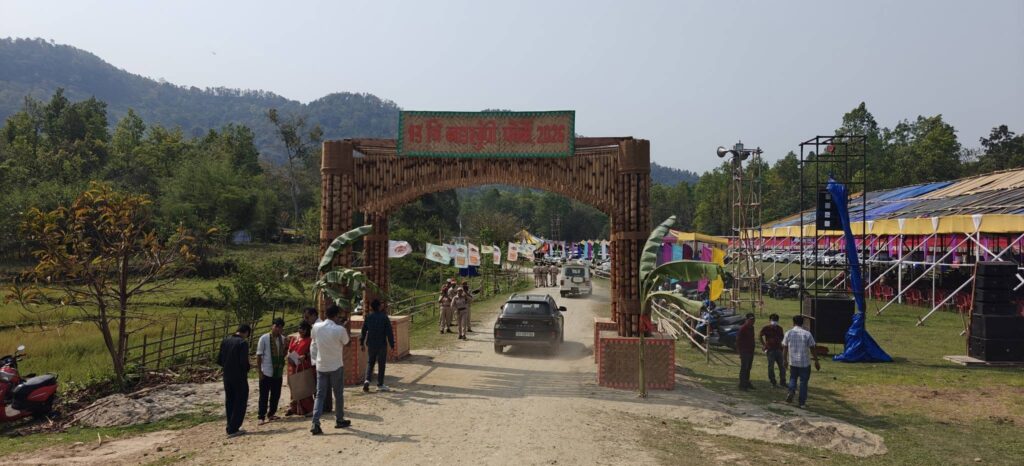
The name itself carries the festival’s founding legend. In the Bodo language, “Bao” means sacrifice and “Khungri” means princess — together, Baokhungri translates literally to “sacrifice of a princess.” The story behind it concerns Princess Deeplai, daughter of Daoka Raja, who is said to have taken her own life at the peak of Baokhungri Hill upon hearing news of the death of her beloved prince. The hill has carried her name and her memory ever since.
The festival’s traditional name, Baukhungri Hajw Gakhwnai, means “Climbing of Baokhungri Hill” — and that act of climbing remains the spiritual core of the celebration even today. The Bodo community holds a strong belief that Baokhungri Hill is the sacred dwelling place of Bwrai Bathou, identified with Lord Shiva, alongside other deities of the Bathou faith, the indigenous Bodo religion centred on nature worship and the Sijou (cactus) plant as its primary symbol. On Sankranti each year, people of all ages climb to the hilltop to offer prayers for good health, prosperity, and success in the year ahead — a tradition that predates the modern, organised version of the festival by generations.
When Is Baokhungri Celebrated? Timing and the Bodo Calendar
Baokhungri falls on a date determined by the traditional Bodo calendar rather than the Gregorian one, which is why its English-calendar date remains remarkably consistent year to year while still being calculated independently. The festival takes place on Sankranti, the final day of the Bodo month of Chaitra — the day immediately preceding Bwisagu (also called Baishagu), the Bodo New Year celebration that closely parallels Assamese Bohag Bihu in both timing and spirit.
This positioning is significant. Baokhungri functions as the spiritual opening act for Bwisagu, a moment of prayer, reflection, and hill pilgrimage that precedes the broader community’s transition into the new agricultural year. Records of the festival’s modern, organised editions confirm the consistency of this April 12–14 window across recent years, including the 11th edition in 2024, the 12th in 2025, and the 13th in 2026 — all held on the same three-day stretch.
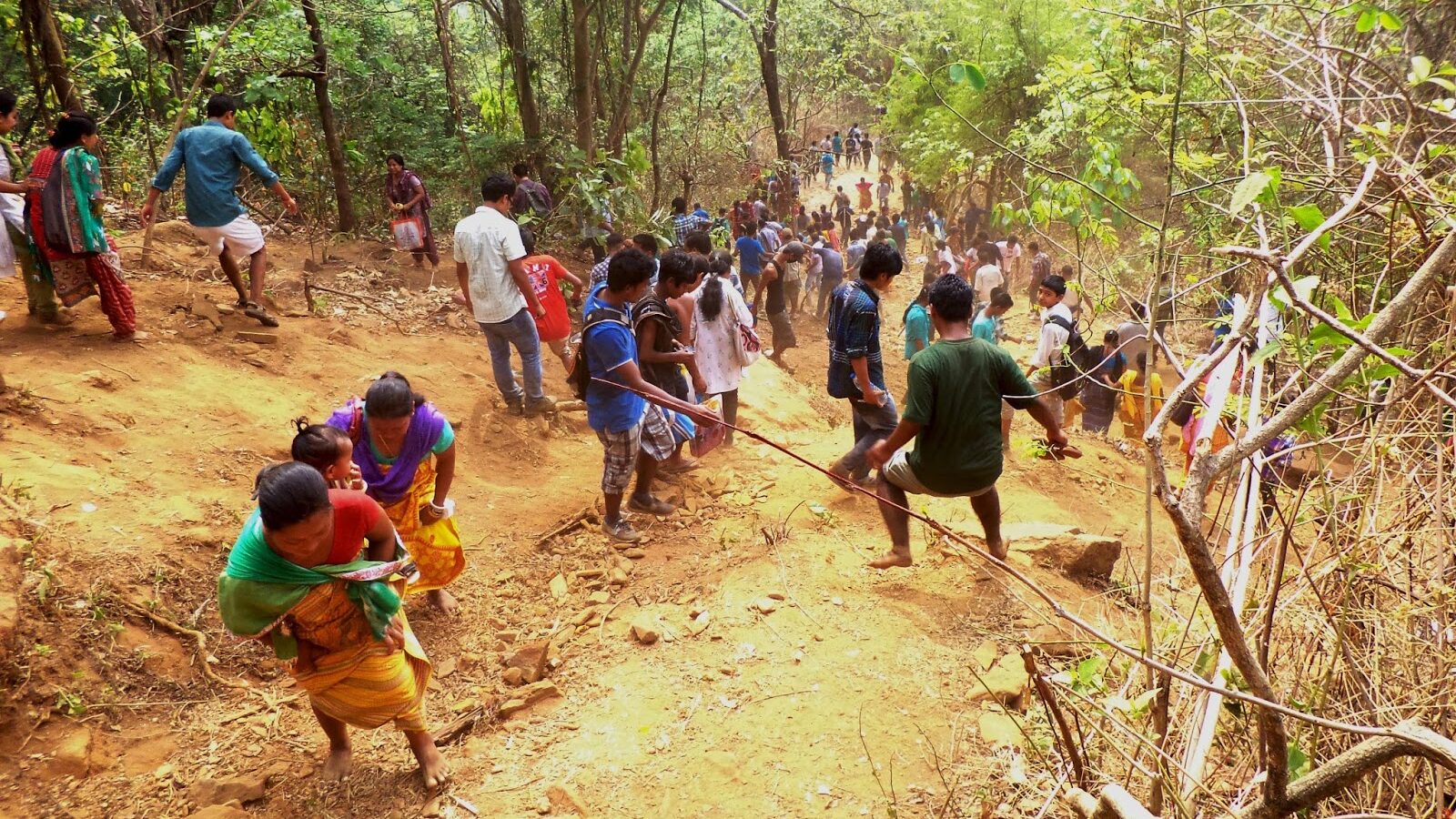
The Modern Baokhungri Festival: From Pilgrimage to Adventure Tourism Showcase
What began as a religious hill-climbing tradition has, over thirteen editions, grown into one of Bodoland’s most significant tourism and cultural events, jointly organised by the Bodoland Tourism Department of the Bodoland Territorial Region (BTR) government and the Baokhungri Festival Organising Committee.
The festival’s location adds considerably to its appeal. Baokhungri Hill sits within the Chakrashila Wildlife Sanctuary, home to the endangered golden langur along with a rich diversity of flora and fauna — meaning visitors get a cultural festival and a genuine wildlife-rich trekking destination in the same trip. The hill’s peak, at roughly 1,491 to 1,620 feet depending on the measurement point cited, offers sweeping views across the surrounding Bodoland plains.
Recent editions have leaned further into adventure tourism, adding night camping, ziplining, hot air balloon rides, and paragliding from the nearby Dangdufur hill into the festival venue — activities that sit alongside the older religious hill-climb as part of a single, expanded programme. This blend of the sacred and the recreational is part of what makes Baokhungri distinctive among Northeast India’s spring festivals.
Indigenous Sports and Cultural Showcases at Baokhungri
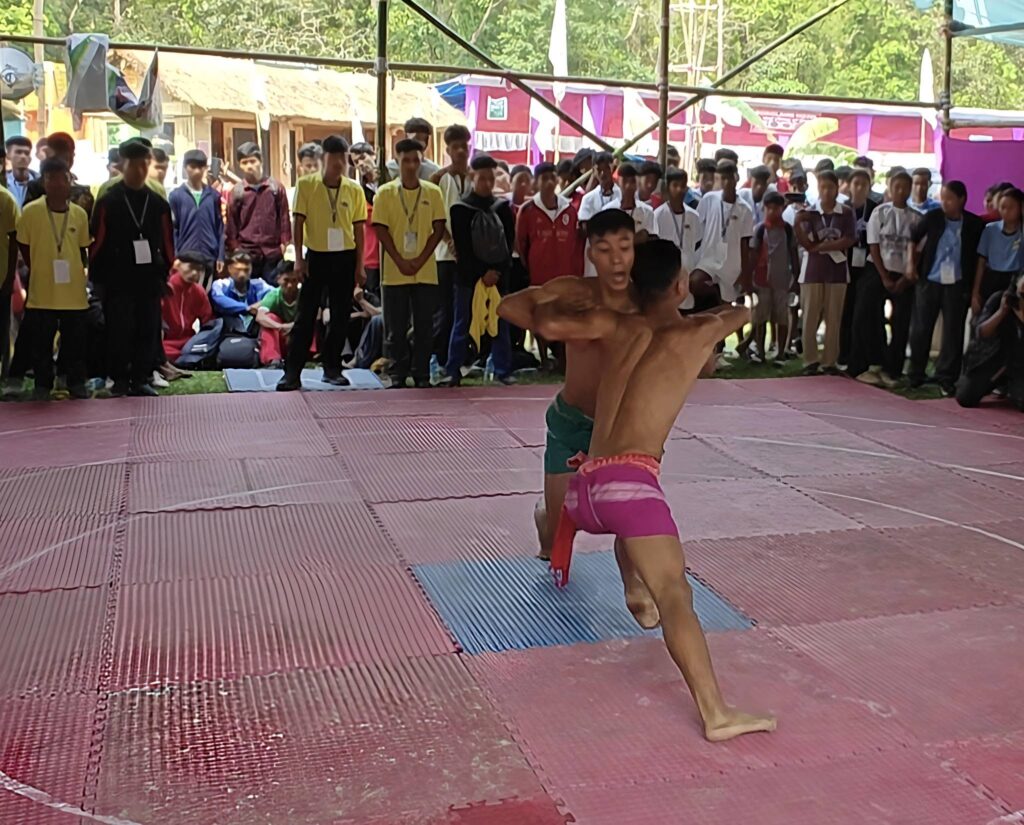
Beyond the hill climb itself, Baokhungri has become a significant platform for traditional Bodo sports and cultural performance, with prize money drawing competitive participants from across the region.
The festival’s sports programme includes Khomlainai, a traditional form of Bodo wrestling that draws serious competitive interest, alongside Gila Gelenai, Daobo Aithing, and Dongfang Bukhunai — indigenous games specific to Bodo culture that rarely receive this scale of public platform elsewhere. Modern additions like cycling races and a half-marathon now run alongside these traditional contests, and the hill-climbing competition itself has grown into a genuinely competitive event, drawing well over a hundred participants in recent years from as far afield as Meghalaya, Sikkim, and West Bengal.
On the cultural side, the festival showcases traditional Bodo dance forms including Bagurumba and Bardwi-sikla, along with folk music performances, theatre, fashion shows featuring traditional Bodo attire, and exhibitions of local artisan crafts. A traditional cooking competition has also become a festival highlight, spotlighting authentic regional dishes and the culinary diversity of communities across the Bodoland Territorial Region.
Baokhungri and Bodo Religious Identity: The Bathou Connection
Understanding Baokhungri properly requires understanding the religious framework it sits within. The Bodo indigenous faith, Bathou, centres on the worship of Bathou Bwrai, often associated with Lord Shiva and represented through the Sijou plant rather than a conventional idol. This belief system underlies not just Baokhungri but other major Bodo religious observances, including Kherai Puja, the greatest religious festival of the Bodo community, performed for the welfare of both individuals and the wider public and to seek blessings for a good harvest.
Baokhungri’s identification of the hill as Bwrai Bathou’s dwelling place situates the festival firmly within this same spiritual tradition, even as its modern format has expanded to welcome visitors of every background. Festival organisers and reports consistently note that participation crosses lines of age, caste, creed, and religion — a detail that reflects Baokhungri’s evolution from a strictly devotional practice into a broadly inclusive regional celebration, without diluting its underlying religious significance for the Bodo community itself.
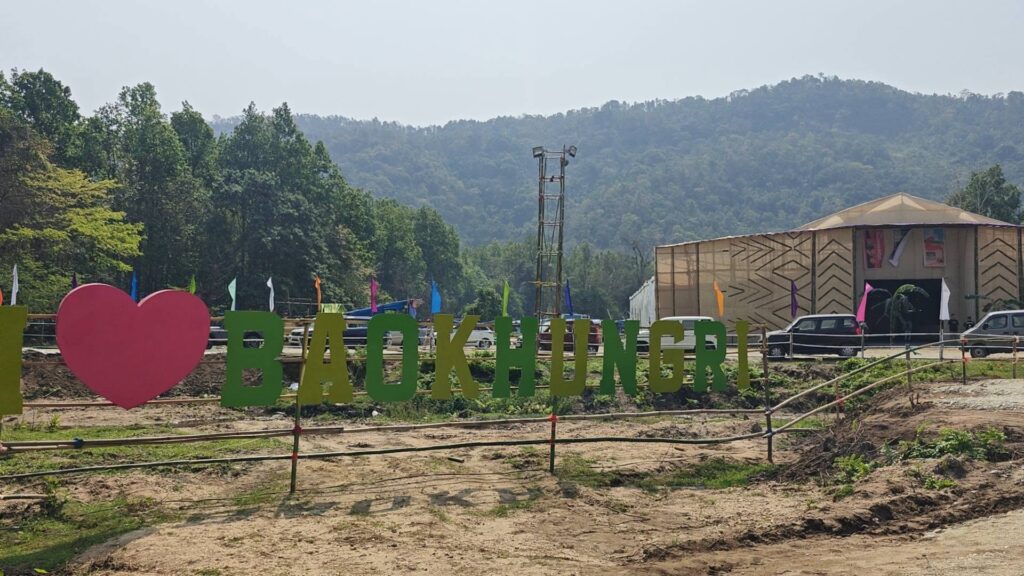
Where Is Baokhungri Hill and How to Get There
Baokhungri Hill is located at Harinaguri village, approximately 10 km southeast of Kokrajhar town, within the Bodoland Territorial Region of Assam.
By Air: Guwahati Airport is the nearest major airport with strong national connectivity. From Guwahati, Kokrajhar is reachable by road or rail.
By Train: Kokrajhar has its own railway station with reasonably good connectivity to Guwahati and other parts of Assam, making it one of the more accessible festival destinations in the Bodoland region.
By Road: Kokrajhar is connected to Guwahati via NH27, a journey of roughly 4–5 hours by road. From Kokrajhar town, Harinaguri and Baokhungri Hill are a short onward drive of around 10 km.
Book accommodation in Kokrajhar town in advance if visiting specifically for the festival, as the influx of domestic and even international visitors during the three-day window puts pressure on the town’s relatively modest hotel capacity.
Practical Tips for Visitors
Carry sturdy footwear suited to hill trekking if you plan to join the climb to the summit — the terrain is uneven in places, and April in Assam can bring both sharp sun and unexpected showers. If you are interested in the adventure add-ons such as paragliding or ziplining, check availability and book slots through the official festival programme rather than informal vendors, since participation and safety standards can vary by year.
Respect the religious significance of the hill climb itself, even while enjoying the broader festival atmosphere — many participants are undertaking the climb as genuine prayer and pilgrimage, not simply recreation. If you want to sample the festival’s culinary diversity, the food stalls and the traditional cooking competition are excellent entry points into authentic Bodo cuisine that can be harder to find outside the region. Photography is generally welcomed across the festival grounds and during the sports events, though it is courteous to be more discreet around individuals engaged in personal prayer at the hilltop.
Why Baokhungri Matters Beyond the Festival Grounds
Baokhungri occupies a genuinely interesting position among Northeast India’s festivals: a centuries-old devotional hill pilgrimage, anchored in a specific local legend, that has been deliberately expanded by regional government and community organisers into a platform for indigenous sport, traditional dance, and modern adventure tourism, all without erasing the original religious purpose that still draws the most devoted participants to the summit each year on Sankranti.
For travellers, that combination is rare and rewarding: a wildlife sanctuary trek, a living legend, traditional Bodo wrestling and dance, and a genuinely warm welcome extended to visitors regardless of background, all inside a compact three-day window right at the threshold of the Bodo New Year.
Use the NE India Trip Planner to start planning an April visit to Bodoland, and explore the NorthEast India Connect Festivals & Events category for more celebrations across the region.
