




There is a reason almost every great Northeast India story starts the same way: “We picked up the car in Guwahati at six in the morning…” Trains get you to the region. Flights get you into it. But nothing actually shows you Northeast India the way a road does — climbing out of the Brahmaputra plains into Khasi pine forest within an hour, or tracing the Kameng river for two straight days on the way to a Himalayan monastery town that still feels like the edge of the map.
This is, unapologetically, a road trip region. The distances are real, the terrain changes faster than almost anywhere else in India, and a surprising amount of it — including stretches deep in Arunachal Pradesh — is now genuinely all-weather. Below are the two routes that cover almost everyone’s version of a Northeast India road trip: a tight 7-day Meghalaya loop for a long weekend-plus, and a 14-day grand loop that pushes all the way to Tawang. Along with both, the practical stuff — road conditions state by state, what self-drive rental in Guwahati actually involves, and what bikers specifically need to know.
Why Guwahati Is the Right Place to Start
Almost every Northeast India road trip in this guide begins and ends at the same point: Guwahati, Assam’s largest city and the only place in the region with airport connectivity, rental fleet density, and road network to actually make a loop work. From here, Shillong is a 3-hour drive, Tezpur (the gateway to Arunachal) is 4 hours, and even Imphal or Agartala are within a long but doable single day’s drive if you’d rather not fly. Almost every self-drive rental agency, ILP assistance service, and long-distance taxi stand in the region operates out of Guwahati for exactly this reason.
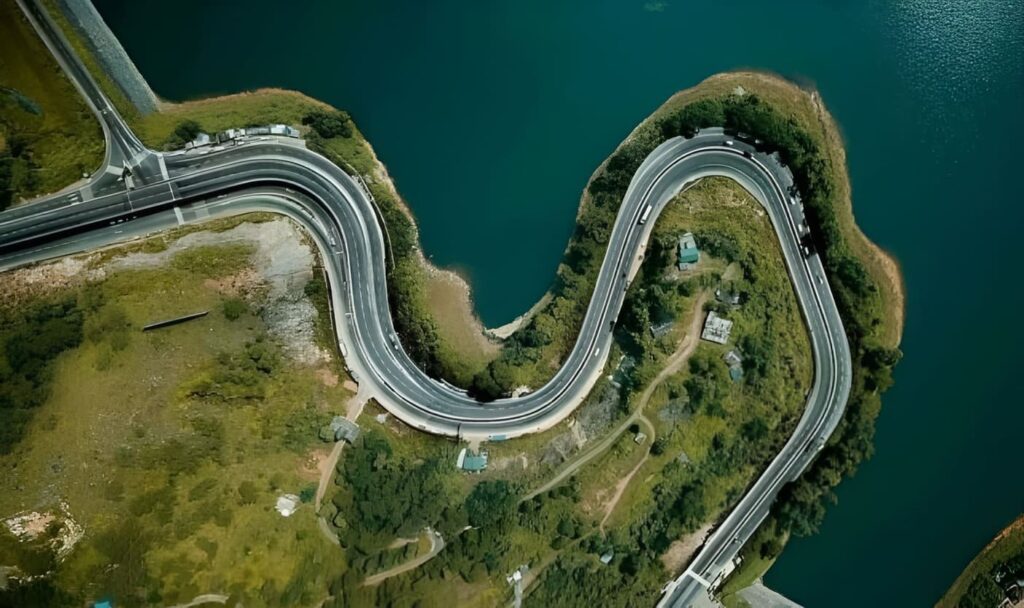
The Classic 7-Day Meghalaya Loop
If you have a week and want maximum scenery per kilometre driven, this is the loop. The roads are some of the best-maintained in the region, distances between stops are short, and no inner line permit is required anywhere on the route — Meghalaya, like Assam, is open to all Indian and foreign travellers without prior paperwork.
| Day | Route | Approx. Distance |
|---|---|---|
| 1 | Guwahati → Shillong (via Umiam Lake) | 100 km |
| 2 | Shillong → Cherrapunji (via Mawkdok, Elephant Falls) | 55 km |
| 3 | Cherrapunji: Double Decker Living Root Bridge trek | — |
| 4 | Cherrapunji → Dawki/Shnongpdeng (Umngot River boating) | 80 km |
| 5 | Dawki → Mawlynnong → back toward Shillong | 90 km |
| 6 | Shillong: Laitlum Canyon, Mawphlang Sacred Forest | — |
| 7 | Shillong → Guwahati (departure) | 100 km |
Use the Map Distance Calculator Tool to calculate the distance
A few notes that matter more than the itinerary itself. The trek to the double-decker living root bridges of Nongriat involves roughly 3,500 steps down from Tyrna village — non-negotiable on the way back up, so budget real time and energy for it. Boating on the Umngot at Dawki is usually suspended during the heavy monsoon due to silt and current, so if a Meghalaya road trip itinerary is built around that glassy, floating-boat photograph, aim for October through April. ATMs thin out fast past Shillong — carry cash for Cherrapunji, Dawki, and Mawlynnong.
This loop also stacks well with Kaziranga National Park if you have an extra two days: Guwahati → Kaziranga (220 km) → back through Guwahati → Shillong adds a tiger reserve and rhino safari to the front of the trip without disrupting the rest of the route.
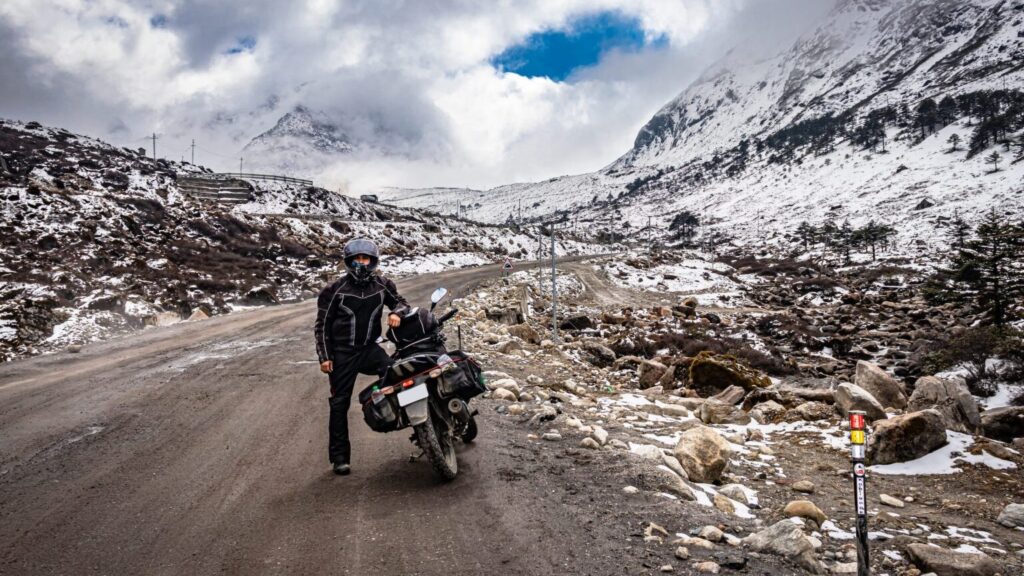
The Grand 14-Day Tawang Loop
This is the Northeast India road trip that is genuinely famous for among self-drive enthusiasts — and the one where the recent Sela Tunnel has changed the calculus considerably. For decades, the old Sela Pass route shut down for months at a time under heavy winter snow. The tunnel, opened in March 2024 roughly 400 metres below the pass, now gives Tawang genuine all-weather road connectivity for the first time in its history — meaning this loop is no longer a strict summer-only proposition, though spring and autumn remain far more comfortable.
| Days | Route | Highlights |
|---|---|---|
| 1–2 | Guwahati → Kaziranga | Jeep/elephant safari, rhino sightings |
| 3 | Kaziranga → Tezpur | Cole Park, Agnigarh |
| 4 | Tezpur → Bhalukpong → Dirang | ILP checkpoint, hot springs, Dirang Dzong |
| 5 | Dirang (acclimatisation day) | Kiwi orchards, Sangti Valley |
| 6 | Dirang → Tawang (via Sela Pass / Sela Tunnel) | Jaswant Garh War Memorial, Nuranang Falls |
| 7–8 | Tawang | Tawang Monastery, Bum La, Madhuri Lake |
| 9 | Tawang → Bomdila | Bomdila Monastery, apple orchards |
| 10 | Bomdila → Guwahati | — |
| 11 | Guwahati → Shillong | Umiam Lake |
| 12 | Shillong → Cherrapunji | Root bridges, waterfalls |
| 13 | Cherrapunji → Dawki → Mawlynnong | Umngot boating |
| 14 | Return to Guwahati | Departure |
The Guwahati–Tawang stretch alone runs roughly 500 km and is comfortably split into two driving days with an overnight in Dirang or Bomdila — attempting it in a single day, while technically possible, is a genuinely exhausting 14-16 hours behind the wheel and not recommended even for confident drivers. Build in a buffer day; weather above Dirang can still delay things even with the tunnel in place.
This loop requires an Inner Line Permit for Arunachal Pradesh, applied for in advance through the Arunachal e-ILP portal — most self-drive agencies in Guwahati handle this paperwork as part of the booking. For the full state-by-state permit breakdown, see our complete permit guide.
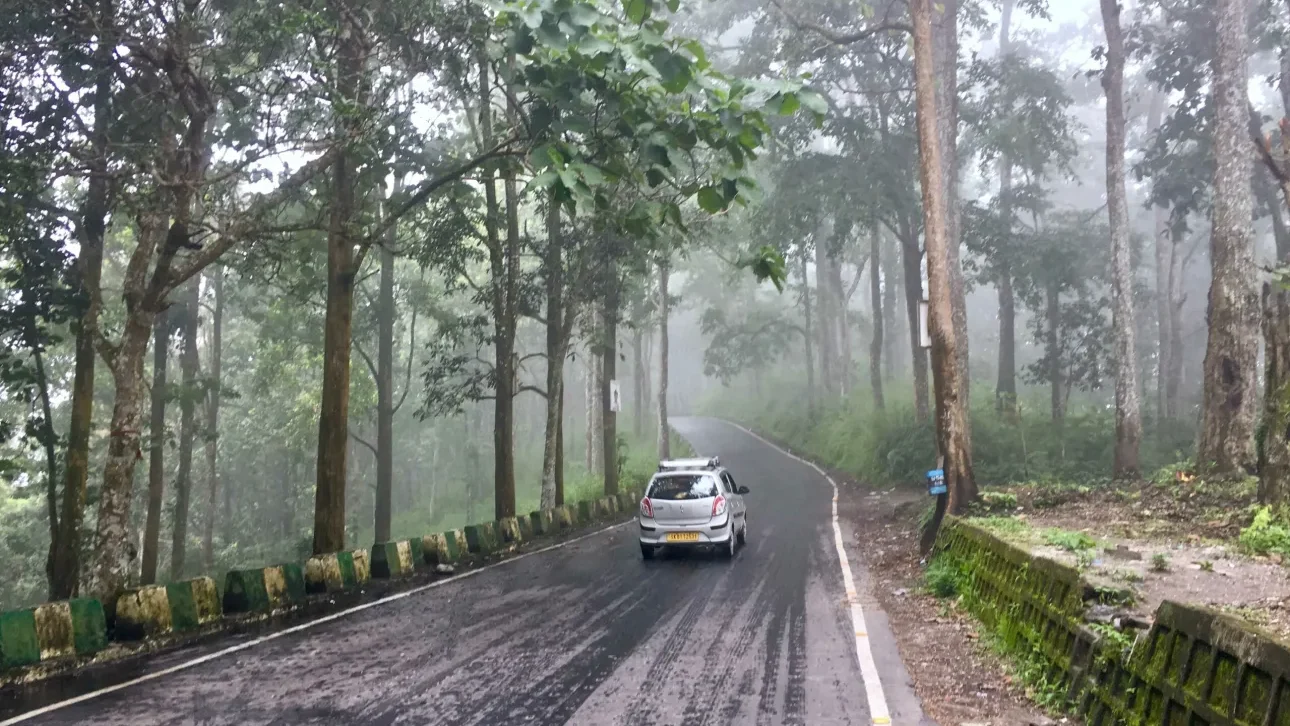
Northeast India Road Conditions, State by State
This is the part most generic Northeast India road trip guides skip, and it’s the part that actually determines whether you need an SUV or a hatchback will do.
| State | Road Condition | What to Expect |
|---|---|---|
| Assam | Good to excellent | Wide national highways, well-signed, occasional heavy truck traffic near Guwahati |
| Meghalaya | Good, narrow in hills | Smooth tarmac to Shillong/Cherrapunji; sharper, narrower curves toward Dawki and Mawlynnong |
| Arunachal Pradesh | Mixed; BRO-maintained | Excellent on NH13 corridor through the Sela Tunnel; older mountain stretches narrow, landslide-prone in monsoon |
| Nagaland | Rough in patches | Hilly, narrow roads around Kohima/Dzükou trailheads; monsoon landslides are common |
| Manipur | Variable | Generally fine Imphal–Moirang; check current regional conditions before travel, as occasional unrest affects road access |
| Sikkim | Good, BRO-maintained | Reliable to Gangtok; North Sikkim toward Lachen/Gurudongmar requires high-clearance vehicles and a registered operator |
| Tripura | Good | Flat plains roads, generally smooth and well-maintained |
| Mizoram | Hilly, less travelled | Winding, scenic, but fewer fuel stops — plan refuelling carefully |
The single biggest seasonal variable across all eight states is monsoon, roughly June through September. Landslides are a genuine and recurring risk on hill roads during this window, particularly in Meghalaya’s southern slopes, Arunachal’s lower valleys, and Nagaland. Roads reopen quickly — Border Roads Organisation crews work fast — but it’s worth building flexibility into any itinerary timed for July or August.
Self-Drive Car Rental vs. Hiring a Local Driver in Guwahati
Guwahati has a genuinely large self-drive car rental scene now, clustered mostly around the airport road and the GS Road corridor, and most of it has matured well past “hand over the keys and good luck.” A few things hold true across nearly every reputable agency: a valid driving licence at least one to two years old, Aadhaar or passport for ID, and an advance booking for any outstation trip into the hills.
Many operate on a zero-deposit, unlimited-kilometre model with a full-to-full fuel policy — but always read the damage liability clause closely, since that’s where the real cost differences hide. For Arunachal, Nagaland, or Manipur legs, most agencies bundle free Inner Line Permit assistance into the booking, which is worth confirming before you pay.
Self-drive makes sense if: you’re a confident driver comfortable with hill roads, want full control over your stops and pace, and are sticking mainly to Meghalaya, Assam, or the lower Arunachal stretches.
Hiring a local driver makes sense if: you’re headed toward Sela Pass, North Sikkim, or any route with serious altitude, hairpin density, or winter ice — local drivers know exactly where the road narrows, where the checkpoints are, and how the vehicle behaves on a 13,000-foot pass in a way that’s genuinely hard to replicate from a rental counter briefing. For the Tawang loop in particular, a number of travellers split the difference: self-drive the easy Assam and Meghalaya legs, then switch to a hired Sumo or experienced driver for the Bhalukpong-to-Tawang stretch.
Either way, an SUV or Mahindra Thar/Scorpio-class vehicle is the realistic minimum for anything touching Arunachal Pradesh or North Sikkim. A sedan or hatchback is fine for the Meghalaya loop.
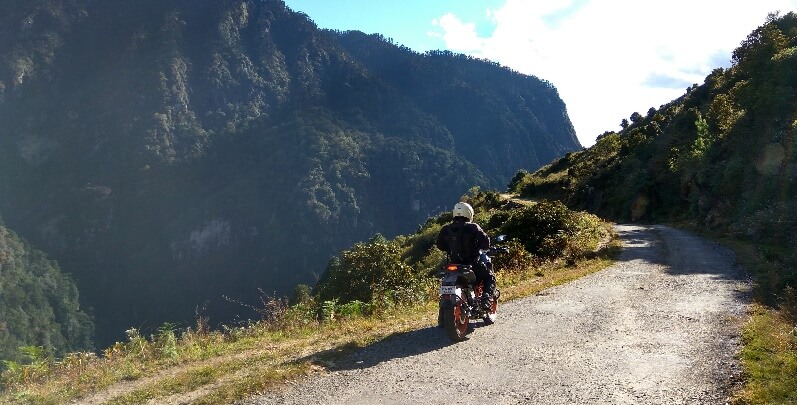
Biking in Northeast India: What Riders Should Know
Biking in Northeast India has a smaller, more dedicated following than the Leh-Ladakh circuit, but the terrain rewards it — Meghalaya’s curves in particular are frequently described by long-distance riders as some of the best tarmac biking in the country outside the high Himalaya. A Royal Enfield Himalayan or Classic 350 remains the default choice, for the same reason it dominates every other Indian touring route: parts and mechanics are everywhere, even in smaller hill towns.
A few region-specific realities worth flagging. Fuel stations thin out fast past Tezpur heading toward Tawang and past Mangan heading into North Sikkim — top up whenever the tank drops below half, not when the light comes on. Night riding on hill roads is genuinely dangerous here, between unlit curves, livestock, and unmarked landslide debris, and almost every experienced rider in the region rides dawn-to-dusk only.
ILP checkpoints apply to bikes exactly as they do to cars — carry physical copies, not just phone screenshots, since the signal at checkpoints is unreliable. And altitude matters more than riders expect: Sela Pass and the roads above Lachen sit well above 4,000 metres, where even a fit rider can feel the thin air on a bike in a way they wouldn’t in a car.
Best Time for a Northeast India Road Trip
October to April is the broadest comfortable window for both loops — clear skies, dry roads, and the Umngot River at its most photogenic. March to June and October to early December specifically suit the Tawang loop, with pleasant temperatures and minimal snow risk even before factoring in the tunnel’s all-weather buffer.
December to February is stunning but colder, with a real chance of snow above Dirang. Monsoon (June–September) is when Meghalaya’s waterfalls run at full, dramatic volume, but it’s also when landslide risk peaks across the hill states — workable with a flexible itinerary, but not ideal for a first attempt at either loop. For a deeper month-by-month breakdown across all eight states, see our guide to the best time to visit Northeast India.
Northeast India Road Trip Checklist
- Permits sorted in advance: Arunachal e-ILP, Nagaland ILP, or Manipur ILP, depending on your route — most take same-day processing online.
- Cash on hand: ATMs vanish fast past Shillong, Bomdila, and Mangan.
- Right vehicle for the terrain: sedan for Meghalaya, SUV or local driver for anything touching Arunachal or North Sikkim.
- Full tank discipline: top up at every fuel stop in the hills, not just when convenient.
- Buffer days: monsoon landslides and winter snow both cause real, if usually short-lived, delays.
Whichever loop you pick, the drive is the destination here in a way it rarely is anywhere else in India, which is exactly why so many people who come for a weekend end up planning their next Northeast India road trip before they’ve even left.
