




If Shillong is Meghalaya‘s cosmopolitan face and Cherrapunji is its most visited waterfall, then the Jaintia Hills are the state’s soul — ancient, unhurried, and deeply absorbed in their own culture. The district capital Jowai, 65 km east of Shillong on NH6, is the gateway to a region that contains the longest natural cave system in South Asia, some of the most significant megalithic monuments in Northeast India, a sacred lake of profound spiritual importance, and one of the most extraordinary festivals anywhere in the subcontinent.
The Jaintia Hills see a fraction of the visitor traffic of Cherrapunji and Shillong — which is precisely their appeal. The roads are quiet, the culture is intact, the caves are vast and largely unexplored, and the Pnar people welcome curious visitors with the warmth characteristic of all Meghalaya’s communities. This is offbeat travel in the truest sense: a place that has not been packaged, polished, or over-explained.
Quick Facts About Jowai & the Jaintia Hills
| State | Meghalaya |
| District | East Jaintia Hills & West Jaintia Hills |
| District Capital | Jowai (West Jaintia Hills) |
| Altitude | 1,360 metres (Jowai town) |
| Distance from Shillong | 65 km; approximately 2 hours on NH6 |
| Distance from Guwahati | 180 km; approximately 4.5 hours |
| Language | Pnar (War Jaintia), Khasi, English, Hindi |
| Religion | Christianity; Niam Tynrai (indigenous Pnar religion) |
| Permit Required | No special permit |
| Best Time | October to May; Behdienkhlam festival in July |
The People of the Jaintia Hills: The Pnar Community
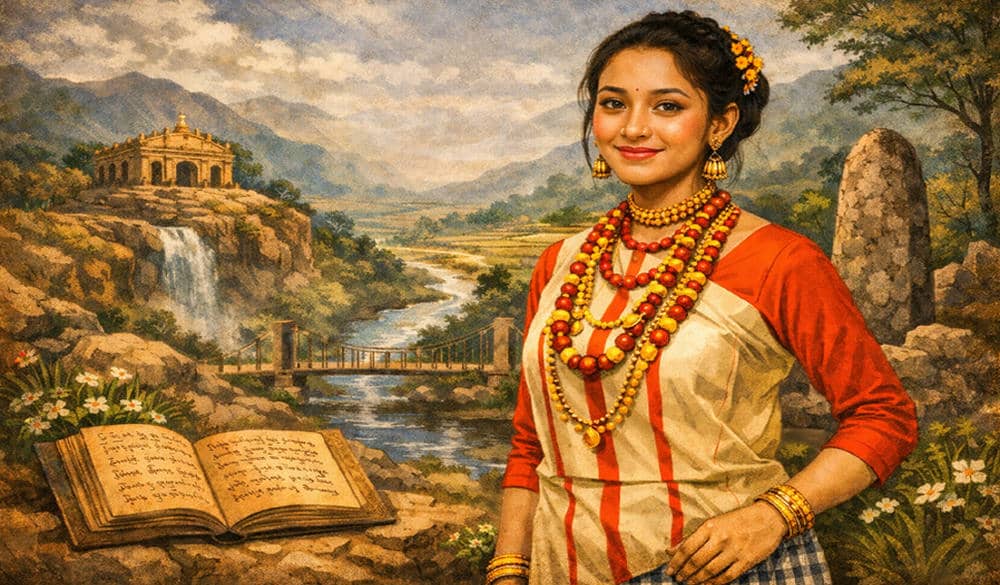
The Pnar (also known as War Jaintia) are one of Meghalaya’s three main matrilineal tribal communities, closely related to the Khasi but with their own distinct language, traditions, and festival culture. They are the people of the ancient Jaintia Kingdom — a powerful polity that once controlled trade routes between Assam and Bengal and maintained sovereignty until annexation by the British in 1835.
Niam Tynrai: The indigenous religion of the Pnar — literally meaning ‘the way of the creation’ — is a nature-based faith centring on the worship of ancestral spirits and the forces of the natural world. The Behdienkhlam festival is the most important expression of Niam Tynrai and one of the most visually spectacular religious events in all of Northeast India.
Matrilineal society: Like the Khasi, the Pnar trace descent and property through the mother’s line. The Ka Khadduh (youngest daughter) inherits the ancestral home. Women hold central roles in economic and social life.
Archaeological legacy: The Jaintia Kingdom left behind a remarkable legacy of megalithic monuments — standing stones (menhirs), flat memorial stones (dolmens), and ceremonial stones used in Pnar religious practice. The Nartiang monolith field is the most significant collection of these monuments in Northeast India.
Top Attractions in Jowai & the Jaintia Hills
1. Krem Liat Prah — Longest Cave in South Asia
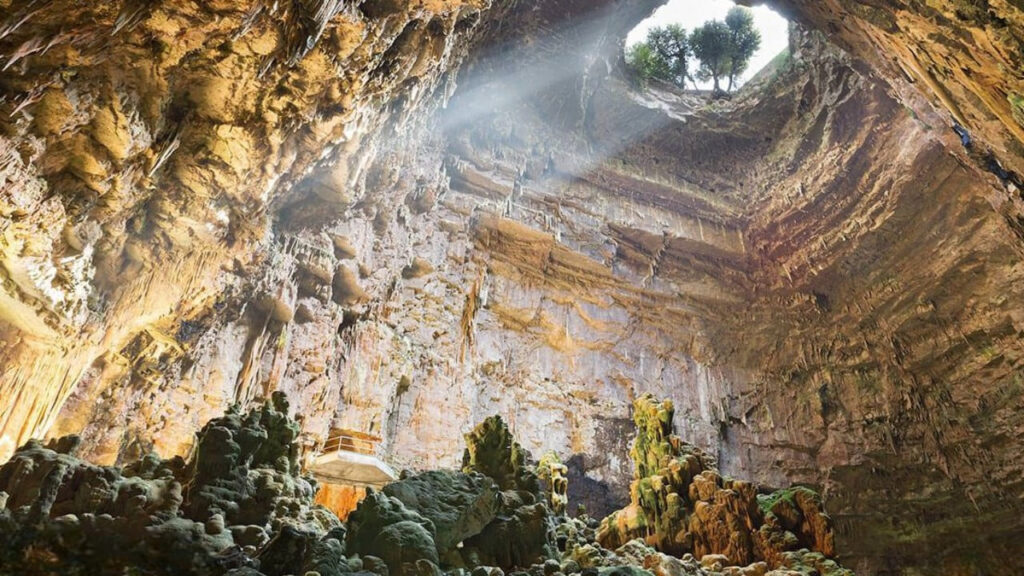
Krem Liat Prah, in the West Jaintia Hills near the village of Syndai, is the longest cave system in South Asia — with surveyed passages extending over 31 km and exploration ongoing. The cave was formed in the region’s limestone bedrock over millions of years and contains extraordinary formations: vast chambers, underground rivers, stalactites and stalagmites of considerable size, and passages that have not yet been fully mapped.
For general visitors: The accessible entry sections near Syndai offer a 2–3 hour guided cave experience without specialist equipment. The passages are wide, the formations are impressive, and a local guide with a torch is all that is required.
For speleologists: Multi-day cave expeditions into the deeper system require specialist equipment, an experienced caving guide, and coordination with the Meghalaya Adventurers Association. Krem Liat Prah is a world-class destination for serious cavers and has attracted expeditions from France, UK, and across Europe.
- Accessible entry at Syndai village — approx 1 hour from Jowai by road
- Local guides essential and available at the village
- General visit: 2–3 hours; no specialist equipment needed
- Spelunking expeditions: Multi-day; contact Meghalaya Adventurers Association
- Carry torches, wear old clothes, and expect to get muddy
| Krem Liat Prah is connected to several neighbouring cave systems — Krem Kotsati, Krem Um Ladaw, and others — which together form one of the most significant karst cave networks in Asia. If you have any interest in caving, even at the beginner level, this is a world-class destination and one of Meghalaya’s best-kept secrets. |
2. Thadlaskein Lake
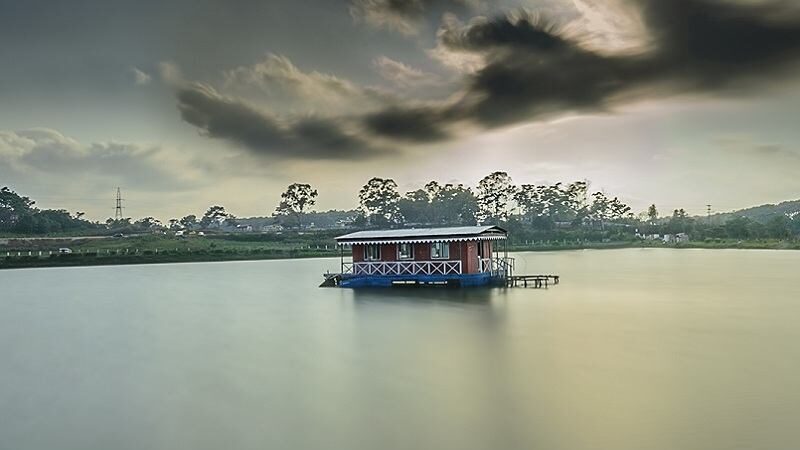
Thadlaskein Lake, near Jowai, is a sacred natural lake of deep significance to the Pnar community — believed to be the earthly home of ancestral spirits and a site of profound spiritual power. The lake is calm, reed-fringed, and surrounded by low hills, with a small island accessible by boat. It is used for religious ceremonies, particularly during Behdienkhlam, and is one of the most peaceful and spiritually charged landscapes in Meghalaya.
- Sacred natural lake used in Pnar religious ceremonies
- Boating to the central island available from the lakeside
- Excellent birdwatching — kingfishers, egrets, and migratory waterfowl in winter
- Most atmospheric during Behdienkhlam when rituals take place at the lakeside
3. Nartiang Monoliths
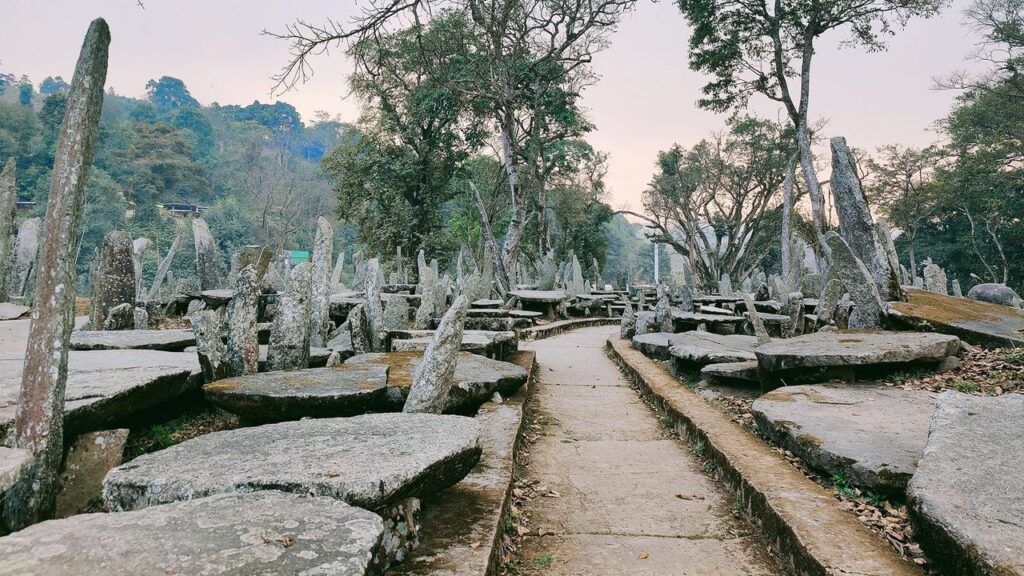
The Nartiang monolith field, 60 km from Jowai, is the most impressive collection of megalithic monuments in Northeast India — over 25 standing stones (menhirs) and flat memorial stones (dolmens) in a single field, the tallest menhir measuring over 8 metres. These stones were erected by the Pnar people over centuries as memorials to important individuals, to mark territorial boundaries, and in association with religious ceremonies. The site is still considered sacred by the local community.
- Over 25 standing stones and dolmens; tallest menhir at approximately 8 metres
- Dating from approximately the 15th to 19th centuries
- Adjacent Nartiang Durga Temple — historic temple built by the Jaintia kings
- Combine with Krang Suri Falls (nearby) for a full-day Jaintia Hills circuit
4. Behdienkhlam Festival
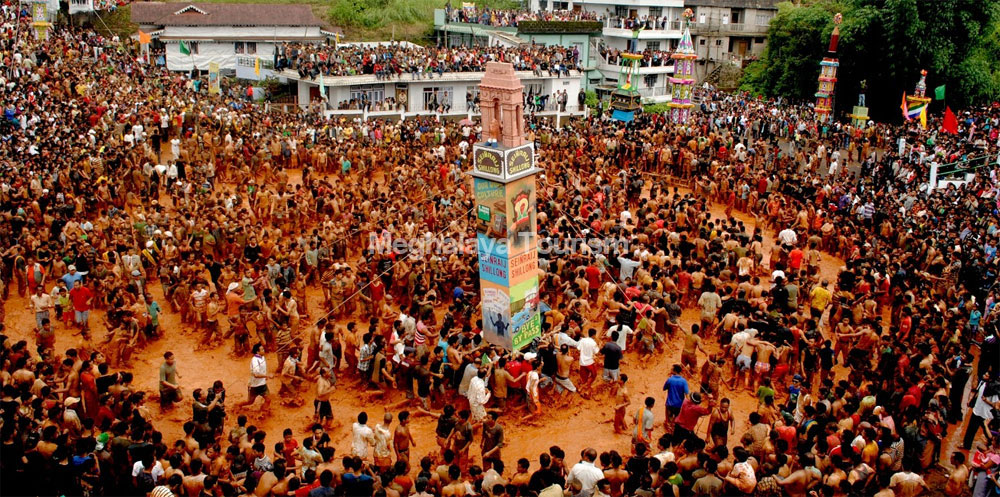
Behdienkhlam — literally ‘driving away evil with sticks’ — is the most important festival of the Pnar people and one of the most visually and spiritually intense events in all of Northeast India. Held in July (after the first seeding of the fields), the festival is a communal prayer to drive plague, pestilence, and evil spirits from the village and ensure a healthy harvest. It is a festival of extraordinary visual power — young men haul enormous wooden structures called rots through the streets, sacred ponds are cleansed, and the community engages in rituals that have been performed for centuries.
- Held annually in July in Jowai — timing follows the traditional Pnar calendar
- Rots (large ceremonial wooden structures) are hauled through the streets by young men in a climactic procession
- Sacred pond rituals at Thadlaskein Lake are central to the festival’s spiritual meaning
- Football competition on the lake (traditional ball game) forms part of the celebrations
- The festival is completely authentic and community-focused — visitors are welcome as observers but this is not a tourist event
| Behdienkhlam is one of Northeast India’s most spectacular and least-visited festivals. If your travel dates can be adjusted to catch it (July, typically the 4th day after the first seeding), this alone is worth the journey to Jowai. Arrange local accommodation well in advance as the town fills up during the festival. |
5. Krang Suri Falls
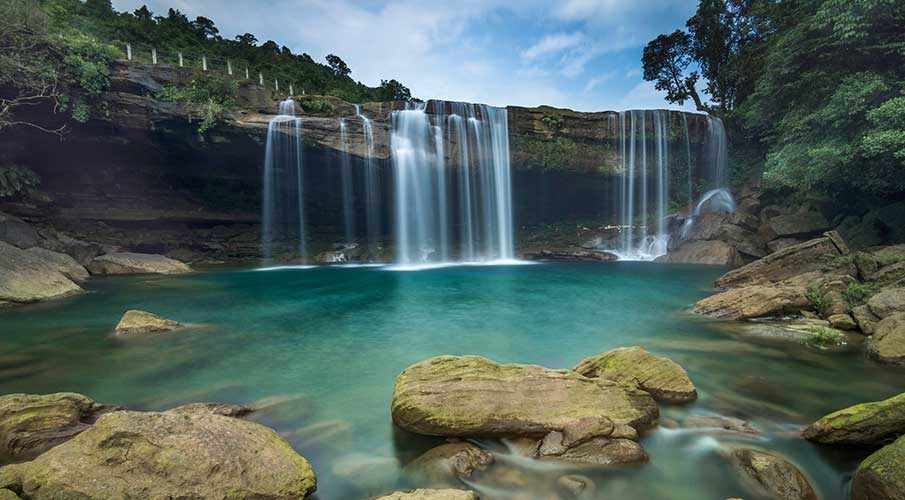
Krang Suri Falls, on the road between Jowai and Dawki, is a 25-metre waterfall of extraordinary beauty — the water cascades over a moss-covered rock face into a natural swimming pool of turquoise-green water. The colour, caused by the dissolution of limestone minerals, is almost impossibly vivid. A wooden walkway and steps lead down to a swimming platform at the pool edge.
- 25-metre waterfall with turquoise natural swimming pool
- Short 10-minute walk from the road to the falls
- Swimming permitted at the designated platform — the water is cold and clear
- Best October to May; reduced flow in dry season but water remains clear
- Easily combined with Dawki or Mawlynnong on a southern Meghalaya itinerary
6. Khaddum Falls
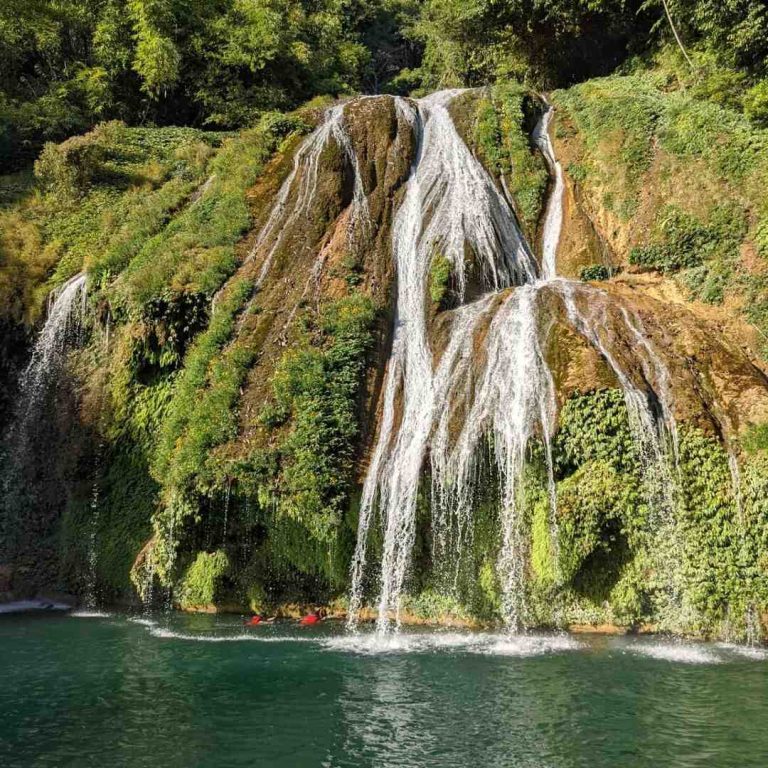
Khaddum Falls is a hidden gem in Jowai, tucked deep within forests near Syntu Ksiar village. Reaching it requires a scenic trek through dense woods and small streams, with the sound of rushing water guiding the final stretch.
This multi-tiered waterfall flows over rocky layers into clear natural pools, surrounded by lush greenery. Peaceful and less crowded, it’s an ideal spot for relaxation, photography, and reconnecting with nature.
Top Things to Do in Jowai & Jaintia Hills
- Cave exploration at Krem Liat Prah — From a 3-hour beginner visit to multi-day spelunking expeditions
- Megalithic heritage walk at Nartiang — Morning visit; combines well with Krang Suri Falls in the afternoon
- Thadlaskein Lake sunrise — The mist over the sacred lake at dawn is extraordinary
- Attend Behdienkhlam (July) — One of India’s most authentic and visually spectacular festivals
- Krang Suri Falls swimming — The most accessible natural swim in Meghalaya
- Village homestay — Staying with a Pnar family in one of the district’s villages offers cultural access unavailable anywhere else
Where to Eat in Jowai
- Pnar pork preparations — Similar to Khasi cuisine but with distinct local flavours; smoked meats, bamboo shoots, and local greens
- Tungrymbai-based dishes — Fermented soybean dishes are particularly well-prepared in Jaintia Hills
- Jowai town restaurants — Several small restaurants on the main bazaar street; basic but good quality rice-and-pork plates
- Local market — The weekly Jowai market is an excellent place to try local snacks and purchase fresh produce
Where to Stay in Jowai
- Jowai Circuit House — Well-maintained government accommodation; central location; book through the Deputy Commissioner’s office
- Budget guesthouses in Jowai — Several options on the main road; ₹700–₹1,800 per night
- Village homestays — The most rewarding option; available in villages near Krem Liat Prah and Nartiang; arrange through Meghalaya Tourism or local contacts
- Krang Suri area eco-stays — A growing number of simple eco-lodges near the falls; convenient for southern Jaintia Hills exploration
How to Reach Jowai
- From Shillong: 65 km on NH6 (the main Shillong–Silchar highway); 2 hours by car or shared taxi.
- From Guwahati: 180 km on NH6 via Jorabat and Shillong; approximately 4.5 hours.
- From Dawki: 50 km north; approximately 1.5 hours — ideal for a Dawki–Jowai combined itinerary.
- By shared taxi: Shared taxis and minibuses from Shillong’s Iewduh (Bara Bazar) terminal to Jowai throughout the day.
Sample 2-Day Jaintia Hills Itinerary
- Day 1: Arrive Jowai morning; Thadlaskein Lake; Krem Liat Prah cave exploration (afternoon); overnight in Jowai
- Day 2: Nartiang Monoliths and Durga Temple (morning); Krang Suri Falls swim (midday); Dawki river boat ride (afternoon); return to Shillong via Mawlynnong
Travel Essentials for Jowai
- No permits required for Jowai and the Jaintia Hills
- Carry cash — ATMs available in Jowai town but limited in the district
- Good footwear essential for cave visits and valley treks — wet limestone is extremely slippery
- Cave visits: carry a torch (headtorch preferred), wear old clothes, and expect to get muddy
- Mobile signal: Airtel and BSNL work in Jowai; coverage diminishes in valleys and remote areas
- Behdienkhlam period (July): Book accommodation well in advance — Jowai fills completely
Best Time to Visit Jowai & Jaintia Hills
- October to February: Best overall; dry paths; cave visits comfortable; clear lake and escarpment views
- March to May: Spring; warm; Krang Suri at good volume; pleasant for all activities
- July: Behdienkhlam Festival — the single best reason to visit in monsoon; waterlogged roads but extraordinary cultural experience
- June to September (non-festival): Monsoon; cave visits require waterproofs; some roads become difficult; not recommended for first-time visitors
