




In 2003, Discover India magazine named Mawlynnong the cleanest village in Asia. Two decades later, the title has stuck — and visiting the village today confirms it was earned. Every bamboo dustbin is in its place. Every swept path is edged with flowering plants. Every home has a garden that would embarrass most city parks. The sacred grove at the village edge is maintained with a reverence that goes beyond civic pride into genuine spirituality.
Mawlynnong is a small Khasi village of approximately 95 families, located in the East Khasi Hills near the Bangladesh border — 90 km from Shillong and 15 km from Dawki. It has been a model of community-managed cleanliness and eco-tourism for so long that it has spawned study visits from urban planners, environmentalists, and government officials from across India and beyond. But the village has not become a theme park. Life goes on — families tend their gardens, women weave on back-strap looms, children walk to school along paths lined with flowers — and visitors who approach with curiosity and respect find an experience of quiet authenticity.
Quick Facts About Mawlynnong
| State | Meghalaya |
| District | East Khasi Hills |
| Population | Approximately 95 families (500–600 people) |
| Distance from Shillong | 90 km; approximately 2.5–3 hours |
| Distance from Dawki | 15 km; 30 minutes |
| Language | Khasi, English |
| Religion | Christianity; traditional Niam Khasi |
| Permit Required | No special permit |
| Best Time | October to May; avoid June–September monsoon for muddy paths |
| Famous For | Cleanest village in Asia (Discover India, 2003); bamboo sky walk; community cleanliness |
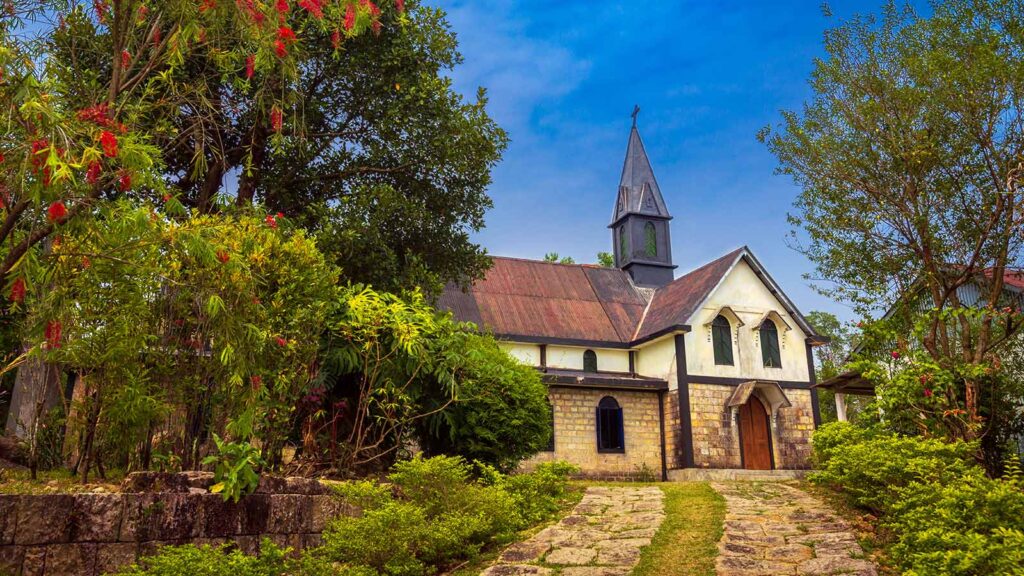
The Community That Built a Legend
The cleanliness of Mawlynnong is not maintained by a government scheme, a tourism authority, or any external body. It is a community practice rooted in the Khasi concept of hynñiew trep — a deep sense of connection to and responsibility for the land. Every family sweeps the path in front of their home daily. Every household maintains a garden. Plastic bags have been banned from the village for decades — long before single-use plastic bans became a national conversation in India.
Bamboo dustbins: The village’s signature image — tall bamboo dustbins placed at regular intervals along every path. These are not decorative; they are functional and consistently used by residents and visitors alike. The village composts organic waste and uses the compost in its gardens.
Literacy: Mawlynnong has a 100% literacy rate — one of the highest in any rural community in India. The village school, run with exceptional dedication, is a source of enormous community pride.
Women’s role: As a matrilineal Khasi community, Mawlynnong’s women hold central roles in village governance, land management, and economic life. The gardens, which contribute significantly to the village’s cleanliness and aesthetic, are primarily managed by women.
| Practical note: Mawlynnong is now Meghalaya Tourism’s most marketed village, and weekend and holiday crowds can be heavy. Visit on a weekday if possible, arrive early morning (before 9 AM), and you will have the village paths largely to yourself in the golden morning light. |
Top Attractions in Mawlynnong
1. Village Walk
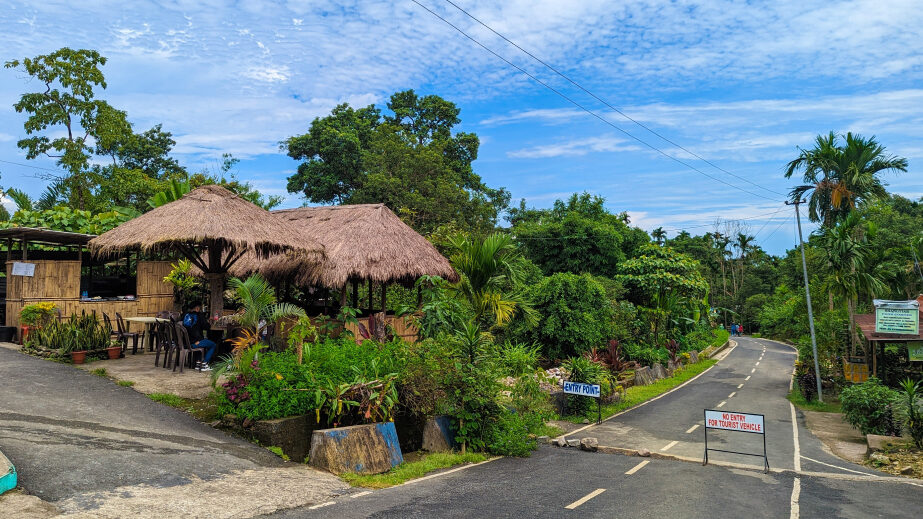
The primary experience in Mawlynnong is simply walking its paths. The village is designed — or has evolved — as a space of exceptional coherence: flowering borders, swept red-earth paths, bamboo fences, vegetable gardens, and the occasional sacred tree draped in prayer symbols. There is no fixed route; follow your inclination and the flowers will lead you.
- The main village path circles through the residential area and connects to the sky walk and sacred grove
- Morning light (7–9 AM) is the finest — golden through the mist and flowers
- Knock on doors and introduce yourself if you want to speak with residents — most families are welcoming to respectful visitors
2. Bamboo Sky Walk
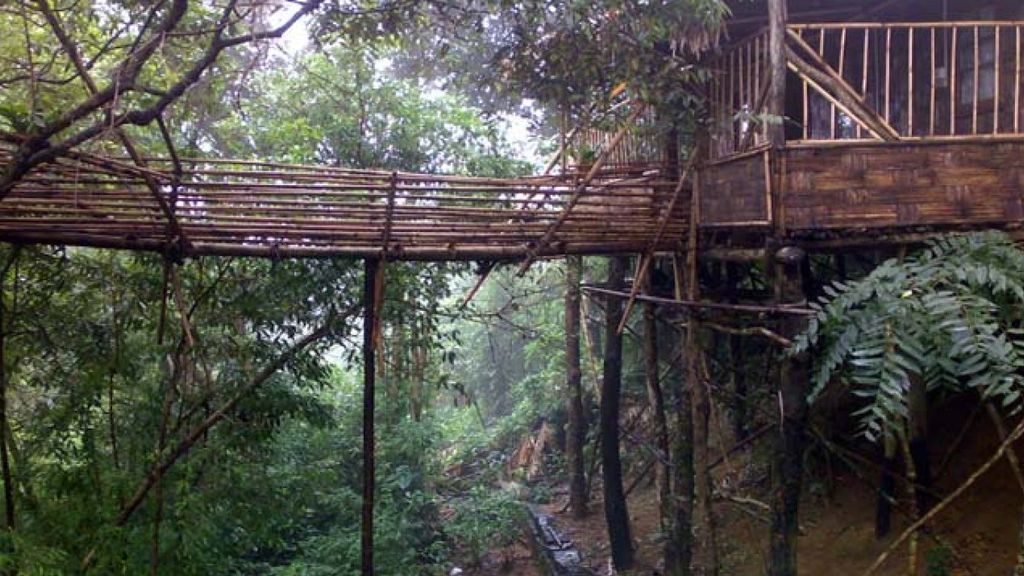
The bamboo sky walk — a tall viewing platform constructed from bamboo near the edge of the village — offers views over the forest canopy and, on clear days, south into the Bangladesh plains. At approximately 8–9 metres above the ground, it provides a bird’s-eye perspective on the village gardens below and is one of the more unusual viewpoints in Meghalaya.
- Approximately 8–9 metres high; accessed by a bamboo staircase
- Views over the forest canopy and, when clear, the Bangladesh plains
- Platform can accommodate 10–15 people comfortably
- Morning visits offer the best visibility before haze builds
3. Sacred Grove (Law Kyntang)
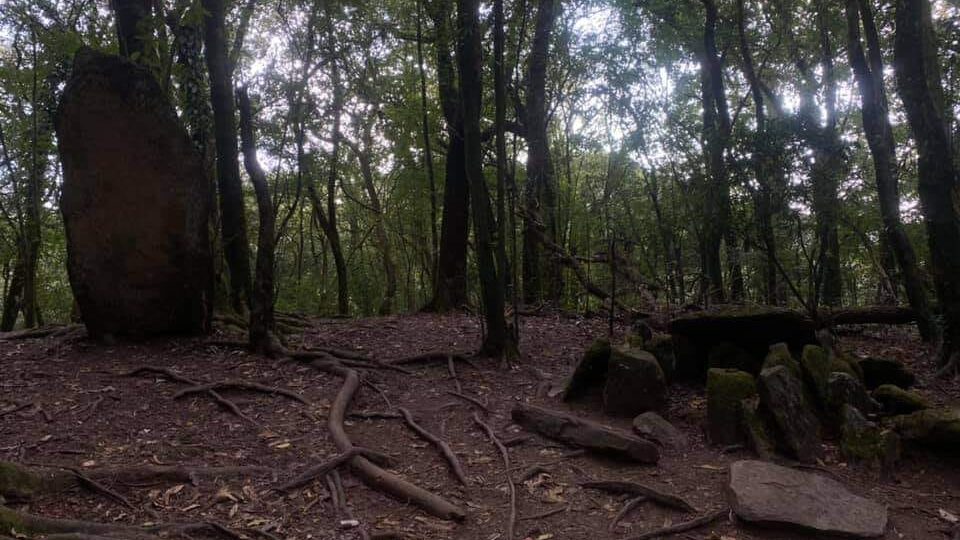
At the edge of the village, a sacred grove (Law Kyntang) is maintained by the community according to traditional Khasi norms — no tree may be felled, no plant removed, no animal hunted within its boundaries. Sacred groves are one of the oldest forms of community-managed conservation in the world, and the one at Mawlynnong is among the finest examples in Meghalaya. The grove is particularly atmospheric at dawn when birds are most active.
- Community-managed conservation forest; no felling or hunting permitted
- Rich bird diversity — best visited early morning
- The spiritual connection between the Khasi people and their natural environment is tangible here
4. Living Root Bridge at Riwai
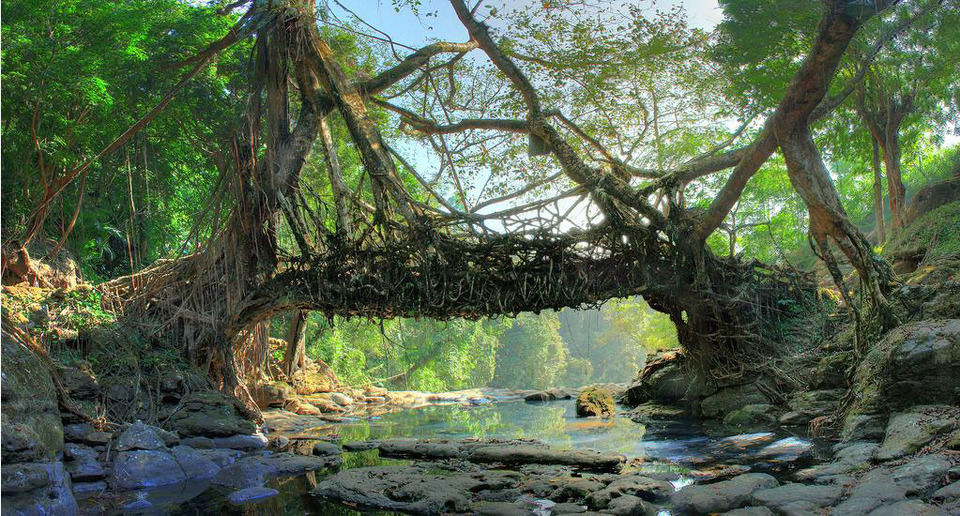
The nearest living root bridge to Mawlynnong is in the village of Riwai, approximately 1 km away by footpath. This single-deck root bridge crosses a small stream in the valley below the village and is far less visited than the famous double-decker at Nongriat. It is an excellent introduction to the root bridge tradition — accessible in 15–20 minutes of easy walking and normally uncrowded.
- 1 km footpath from Mawlynnong to Riwai village; 15–20 minute easy walk
- Single-deck living root bridge over a stream in the valley
- Far less crowded than Nongriat — often just your group and local residents
- Best light in mid-morning when sunlight reaches the valley floor
5. Balancing Rock
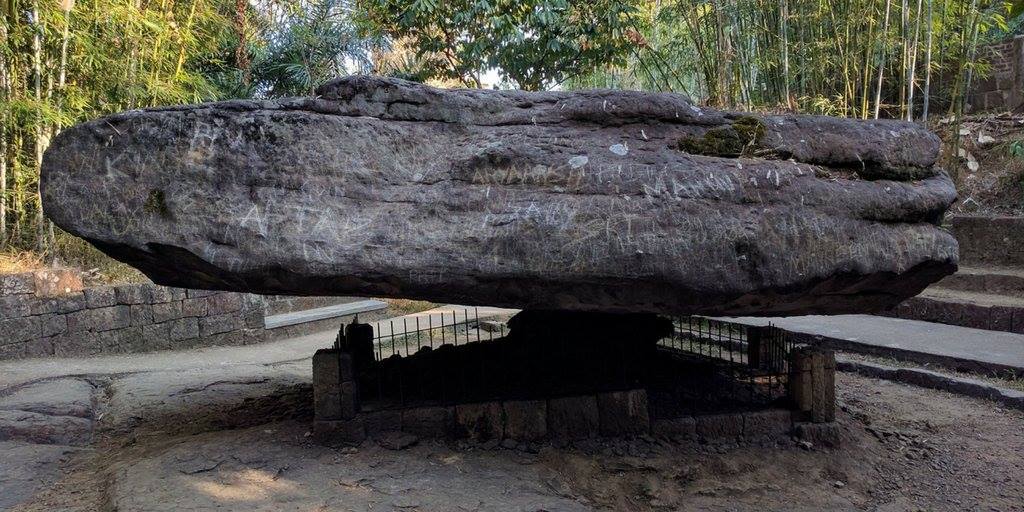
Near Mawlynnong, a large boulder balanced improbably on top of a smaller rock formation has become a local landmark. The balancing rock is not geologically extraordinary — similar formations exist across the Khasi Hills — but it is photogenic and easily combined with the village visit.
Top Things to Do in Mawlynnong
- Early morning village walk — The definitive Mawlynnong experience; 45 minutes to an hour through the paths before day-trippers arrive
- Visit the Riwai root bridge — A natural pairing; 30 minutes each way; beautiful and uncrowded
- Climb the sky walk — 15 minutes; essential for the overview perspective
- Sacred grove birdwatching — Dawn; bring binoculars; exceptional bird diversity in old-growth Khasi sacred forest
- Homestay conversation — Staying overnight allows extended conversation with local families; ask about the village history and the role of women in community governance
- Photography — Mawlynnong is one of the most photogenic villages in India; flowers, bamboo, light, and human-scale architecture create extraordinary compositions
Where to Eat in Mawlynnong
Mawlynnong has a small number of community-run food stalls and homestay kitchens. The food is simple Khasi cooking — rice, lentils, pork or chicken, local greens, and bamboo shoot preparations. This is not a destination for restaurant dining; it is a destination for home cooking and authentic community meals.
- Homestay kitchens — The best food in Mawlynnong; home-cooked Khasi meals served with extraordinary hospitality
- Village tea stalls — Simple snacks, tea, and packaged foods; suitable for a quick stop
- Packed lunch strategy — Some visitors bring food from Shillong or Dawki for a riverside picnic at Riwai bridge
Where to Stay in Mawlynnong
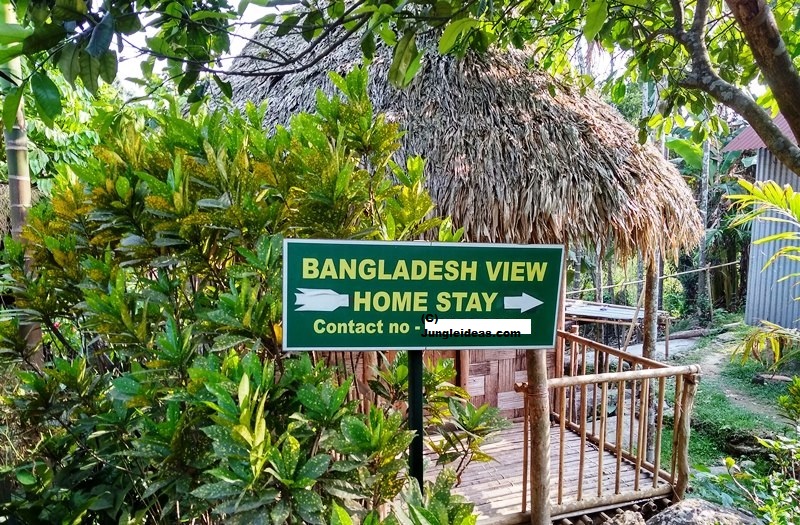
Mawlynnong has a small number of community homestays available — staying overnight is highly recommended and is one of the best rural tourism experiences in Meghalaya. Accommodation is simple: a clean room in a Khasi home, a shared bathroom, and meals cooked on a wood-fire kitchen. The experience of waking at dawn in the village, before any day-trippers arrive, is worth every rupee.
- Community homestays — ₹800–₹1,500 per night including meals; book through village contacts or Meghalaya Tourism
- Day trip from Shillong or Dawki — Possible but the overnight experience is significantly richer
| A two-destination overnight itinerary works exceptionally well: Night 1 in Mawlynnong (village experience, Riwai root bridge); drive to Dawki for Night 2 (camping on the Umngot River). The two experiences complement each other perfectly and the combined drive is under 20 km. |
How to Reach Mawlynnong
- From Shillong: 90 km south on NH206 (the Shillong–Dawki road) then a short turn-off; approximately 2.5–3 hours.
- From Dawki: 15 km north; approximately 30 minutes by car.
- By shared taxi: Shared taxis from Shillong’s Iewduh (Bara Bazar) terminal run to Pynursla and nearby towns; from Pynursla, a local vehicle reaches Mawlynnong in 30 minutes.
- Best combined with: Dawki (15 km away) for a 2-day itinerary; Shillong as base for day trip; Cherrapunji as part of a 3-day southern Meghalaya circuit.
Travel Essentials for Mawlynnong
- No permits required
- Carry cash — no ATMs in Mawlynnong; use Shillong or Dawki ATMs
- Follow village rules: No littering under any circumstances; use the bamboo dustbins
- Do not pluck flowers or enter the sacred grove beyond designated paths
- Photography etiquette: Always ask permission before photographing residents in their homes or gardens
- Weekday visits strongly recommended to avoid weekend crowds
Best Time to Visit Mawlynnong
June to September: Monsoon; village becomes muddy; root bridge trail slippery; generally not recommended for first visits
October to May: Best overall; dry paths; flowers in bloom; clear morning light
November to February: Cool and clear; the morning mist adds to the atmosphere; village gardens at their most manicured
March to April: Spring flowers peak; warm days; excellent photography light
