




There is a particular quality to the light in Itanagar in the early morning. The capital of Arunachal Pradesh sits at around 350 metres above sea level on forested ridges where the Himalayan foothills finally drop toward the Brahmaputra plains of Assam. In the hour after dawn, mist from the valley below rises through the sal and pine trees, and the city — spread across a series of undulating hills — emerges from it in sections: a rooftop here, a monastery spire there, the iron walls of a 14th-century fort catching the first horizontal light on a ridge above everything else.
Itanagar is not Arunachal’s most dramatic destination. Ziro Valley, Tawang, Pasighat — these draw travelers for their landscapes, monasteries, or tribal depth. But Itanagar is where Arunachal begins: the ILP processing hub, the administrative capital, the place where the road from Assam crosses the foothills boundary and enters the hill state. It also has genuine historical weight — a 14th-century fort, the state’s most comprehensive tribal museum, a lake inside a wildlife sanctuary, and a Buddhist monastery whose viewpoint takes in the full sweep of the city and the Assam plains beyond.
Quick Facts About Itanagar
| State | Arunachal Pradesh |
| Status | State capital |
| Altitude | ~350 m (Itanagar ridges); ~200 m (Naharlagun valley) |
| Twin Town | Naharlagun — 10 km south; railway station, ISBT, main market, most hotels |
| Distance from Guwahati | ~395 km via NH-415; 7–8 hours by road |
| Railway Station | Naharlagun (Guwahati: 5–6 hrs; Delhi: Arunachal Express, 3x weekly) |
| Airport | Donyi Polo Airport, Hollongi (15 km from city; opened 2022; Guwahati 45 min, Kolkata, Delhi) |
| ILP | Mandatory for all Indian nationals; apply at arunachalilp.com (3–5 days advance) |
| PAP (Foreign Nationals) | Protected Area Permit via registered operator; min. group of 2; USD $50 per person |
| ILP Checkpoint | Banderdewa — Assam–Arunachal border, ~30 km from Itanagar; operates 24 hours |
| Key Sites | Ita Fort; Ganga Lake; JN State Museum; Gompa Buddhist Temple; Itanagar Wildlife Sanctuary |
| Dominant Tribe | Nyishi (largest tribe in Arunachal Pradesh; dominant in the capital region) |
| Best Time | October to April |
| Key Festivals | Nyokum Yullo (Nyishi, February–March); Losar (Tibetan New Year); Mopin (Galo, April) |
Arunachal Pradesh ILP & PAP Requirements: The Banderdewa Border Guide
Indian nationals must carry a valid Arunachal Pradesh Inner Line Permit (ILP) before crossing into the state. To how to apply for Arunachal Pradesh ILP online: visit arunachalilp.com and apply at least 3–5 days in advance, selecting your specific destinations on the permit. In-person applications are also accepted at Arunachal Pradesh House offices in Guwahati, Kolkata, and Delhi. Inner line permit requirements for Indian tourists include a valid photo ID (Aadhaar, Voter ID, or Passport), a recent passport photograph, and a declaration of your onward destinations within the state.
Foreign nationals require a Protected Area Permit (PAP), which must be arranged through a registered tour operator. Key operational constraints travelers actively search for: the PAP generally requires a minimum group size of two individuals and carries a standard government fee of USD $50 per person. Citizens of Pakistan, China, and Bangladesh face separate, intensive prior-clearance workflows through the Ministry of Home Affairs and require significantly more lead time.
| Banderdewa Border Crossing Compliance Checklist: Keep your ILP/PAP and photo ID ready before reaching the Banderdewa checkpoint, as mobile networks can be unreliable. Carry at least two printed copies of your permit, ensure your ID details match exactly, and be prepared to state your travel destinations. If your permit is limited to Itanagar, you cannot continue to other districts. Also keep small cash denominations handy for minor checkpoint fees. |
Itanagar vs. Naharlagun: Choosing the Right Base
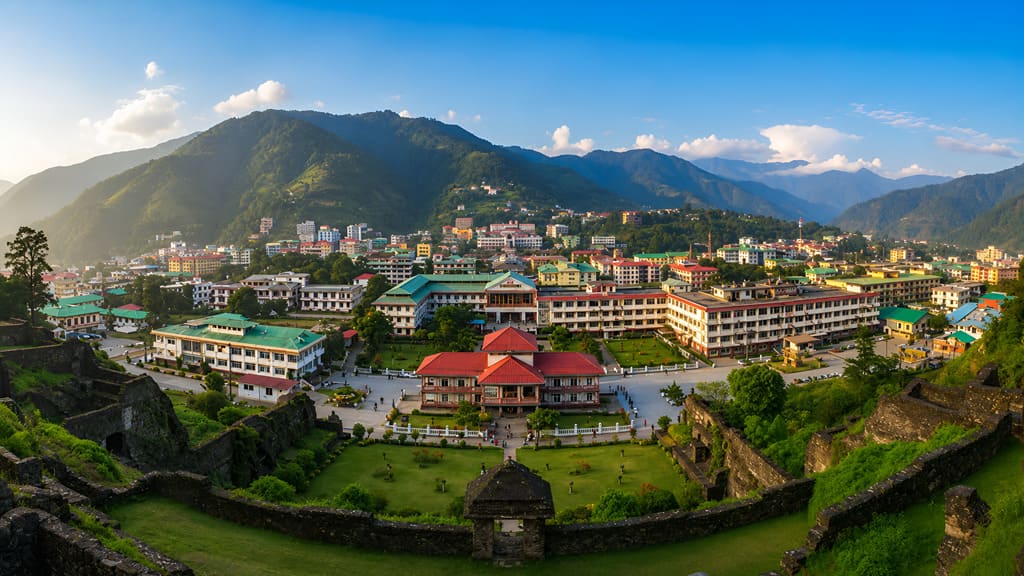
Most travelers arrive in Naharlagun without realising they have already entered the capital zone. The two towns are 10 km apart and administered separately, but function as a single urban corridor. Understanding the difference saves significant frustration:
Naharlagun is the bustling, low-lying, chaotic half: the railway station, the Inter-State Bus Terminus (ISBT), the main market, the auto-rickshaw networks, and most of the budget and mid-range hotels are here. It sits at around 200 metres elevation in the valley — noisier, warmer, and considerably more accessible from all transport arrival points.
Itanagar is the more spread-out, scenic, ridge-top administrative zone: the Ita Fort, the state secretariat buildings, the Gompa temple on its hill, and the Government Quarter residences are up here at around 350 metres. The ridges are cooler, quieter, and have a markedly different atmosphere from the valley below.
| Who should stay where: Cultural travelers and families benefit from booking accommodation up on the Itanagar ridges — better atmosphere, cooler temperatures, and direct access to the fort and Gompa. Business travelers or those arriving late on the Arunachal Express should stay in Naharlagun for direct transit alignment. Either way, getting between the two takes 20–30 minutes by auto-rickshaw or shared tempo. |
The Nyishi Community: Understanding Capital Culture and Festivals
The Nyishi tribe — the largest single tribe in Arunachal Pradesh — is the dominant indigenous community in the capital region. The Nyishi are distinguished by the HiiYa, the hornbill beak (now increasingly replaced by synthetic alternatives due to conservation pressure), traditionally worn as a head ornament signalling status and identity. Nyishi longhouses, weaving traditions, and the oral literary heritage of their priests (nyibo) are documented at the JN State Museum and visible in the communities surrounding the capital.
Nyokum Yullo — ground rules for visitors: The main Nyishi Nyokum Yullo festival celebration takes place at the Nyokum Lapang grounds in Itanagar in February–March (Nyishi tribe Nyokum Yullo festival dates vary by year — confirm with Arunachal Tourism). The festival marks agricultural prosperity and community cohesion. Locals are genuinely welcoming of respectful outsiders, but observe these protocols: dress modestly; ask for explicit permission before photographing the ritual sacrificial altars (uug-yug); and expect to be offered Opo (millet/rice beer in bamboo mugs) — accepting graciously is the culturally appropriate response.
Top Things to Do in Itanagar: A Cultural and Historical Roadmap
1. Ita Fort: Hand-Fired Brick Architecture of the 14th Century
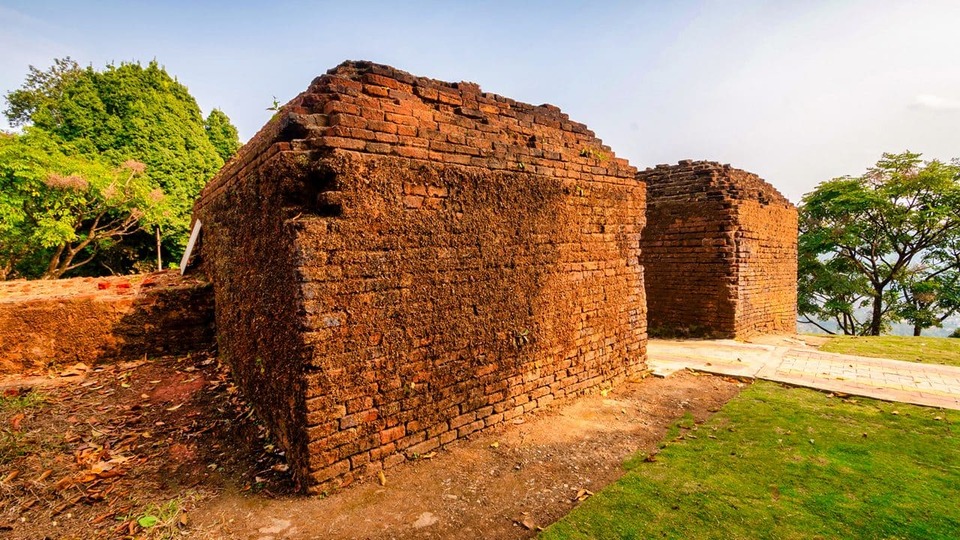
The Ita Fort stands on a forested ridge in the heart of the city, its surviving brick walls stretching in arc across the hilltop. The bricks — dark red, hand-formed, fired to a hardness that has allowed them to survive six centuries of monsoon and earthquake — are the city’s founding monument. The site is maintained by the Archaeological Survey of India and is freely accessible; no entry fee. Combine with the Old Capital Museum (nearby) in a 2–3 hour morning circuit for the clearest picture of Itanagar’s pre-modern history.
2. Jawaharlal Nehru State Museum: A Deep Dive into 26 Indigenous Tribes
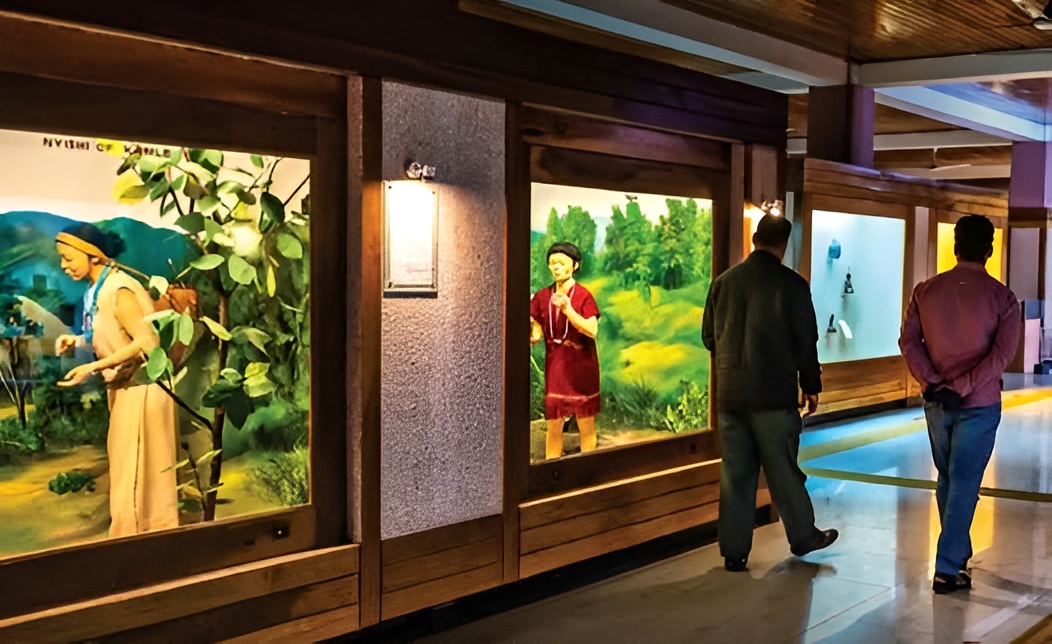
If you visit only one institution in Itanagar, make it the Jawaharlal Nehru State Museum. Its permanent collection covers the material culture, dress, weapons, jewellery, and oral history traditions of Arunachal Pradesh’s 26 major tribes and over 100 sub-tribes — the most ethnographically diverse state in India. Communities range from the Tibetan Buddhist Monpa of the western highlands to the animist Wancho and Nocte of the far east. Allocate a minimum of 2 hours; the textile and costume gallery alone is worth the visit.
3. Ganga Lake and the Itanagar Wildlife Sanctuary
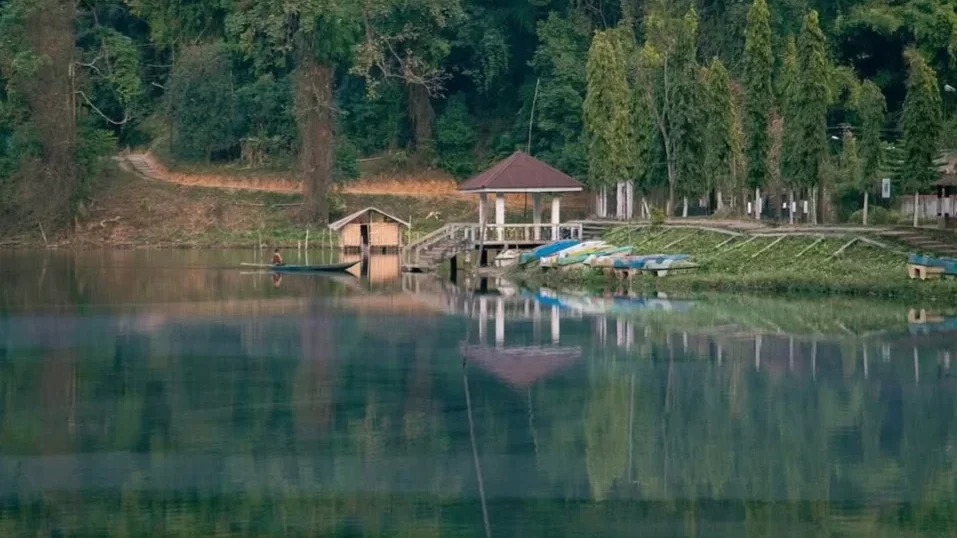
Ganga Lake (locally Gyakar Sinyi) sits within the Itanagar Wildlife Sanctuary — a 140 sq km protected forest classified as habitat for elephants, clouded leopards, hoolock gibbons, and a substantial range of bird species. An early morning circuit of the lake, botanical garden, and forest trail takes 2–3 hours with no special permit required. Birding at dawn in the sanctuary buffer is one of Itanagar’s most underrated experiences.
4. The Gompa Buddhist Temple — Itanagar’s Hilltop Monastery
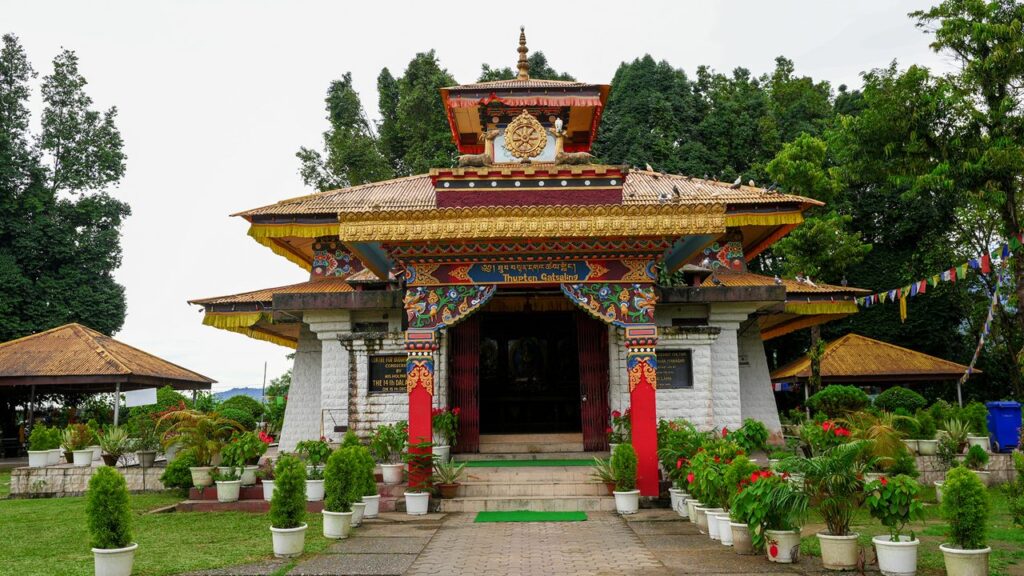
The Gompa Buddhist Temple — a Tibetan Buddhist monastery in the yellow-and-white Gelugpa style — sits on a forested hill above central Itanagar. Morning and evening puja sessions are open to respectful visitors. Its hilltop viewpoint takes in the full spread of Itanagar and Naharlagun across the ridges, with the Assam plains visible in clear weather. Arrive before 9 AM for the morning puja when butter lamps and horns animate the hillside.
5. Naharlagun— Arunachal’s Commercial Gateway
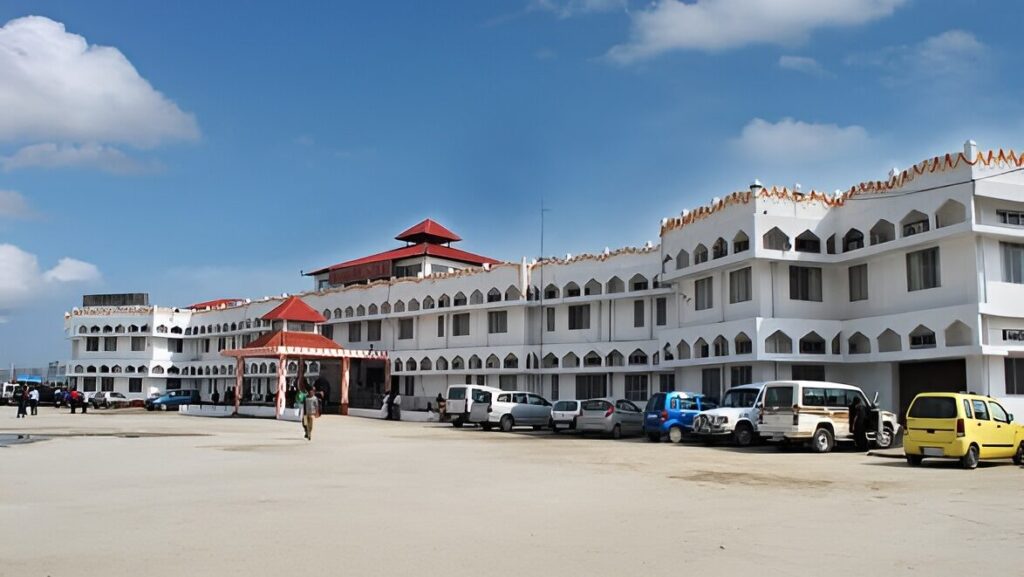
Naharlagun is the most accessible point in Arunachal Pradesh to encounter tribal material culture commercially: woven textiles in Adi, Nyishi, Apatani, and Galo geometric patterns; bamboo and cane products; smoked meats; and local apong (rice beer). A functioning daily exchange that happens to be extraordinary for outsiders arriving from the plains.
| CRITICAL ROAD & TRANSIT WARNING: Guwahati to Itanagar. The NH-415 route via North Lakhimpur covers about 395 km and takes 7–8 hours, though monsoon landslides can cause major delays. Keep a printed ILP ready for the Banderdewa checkpoint and leave Guwahati by 6:00 AM to arrive before dark. NH-13 via Bhalukpong is an alternative route; check road conditions before departure. |
How to Reach Itanagar: Logistics for Air, Rail, and Shared Sumos
By road — private taxi (Guwahati; ~395 km; 7–8 hours): Private taxis from Guwahati’s Paltan Bazaar run approximately ₹3,500–5,000 for a full vehicle. Book the evening before; confirm NH-415 vs NH-13 road conditions with your driver.
By road — Shared Sumo (budget option): Shared Sumos from Guwahati to Itanagar/Naharlagun must be booked a day in advance at Paltan Bazaar or the ISBT in Guwahati. These vehicles depart strictly at 5:30–6:30 AM or operate as overnight sleeper journeys — mid-day on-the-spot bookings are nearly impossible. Fares are approximately ₹400–600 per seat; journey time 9–10 hours with stops.
Navigating Donyi Polo Airport (Hollongi) to the Capital Corridor
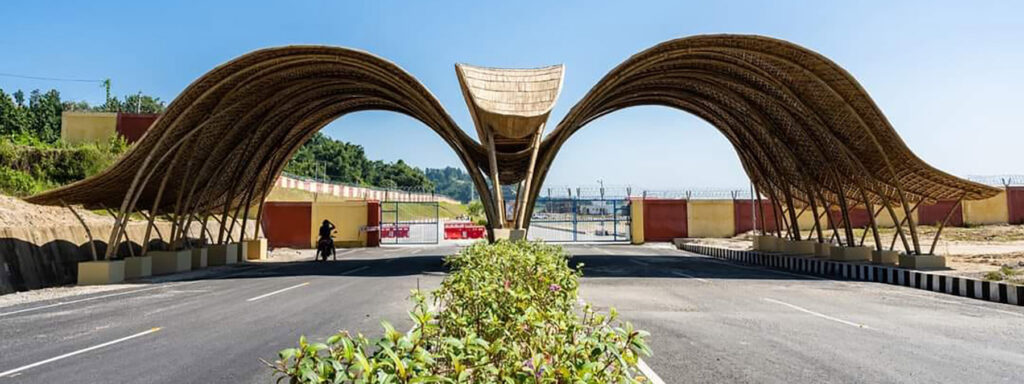
Donyi Polo Airport (opened November 2022, Hollongi, 15 km from city) connects Itanagar to Guwahati (45 minutes), Kolkata, and Delhi. IndiGo and Air India operate the routes — check Donyi Polo Airport flight schedule on the airline websites as frequencies continue expanding.
Airport taxi fare warning: Local prepaid taxi associations at Hollongi charge a heavily standardised premium of ₹1,200–1,500 for the 15 km drop into Itanagar or Naharlagun — disproportionate for the distance. Budget travelers should coordinate with their homestay or hotel for a pickup, or check ASTC (Arunachal State Transport Corporation) bus links aligned with incoming flight times.
By train — Guwahati to Naharlagun Arunachal Express: Naharlagun Railway Station is connected to Guwahati (5–6 hours) and Delhi via the Arunachal Express (three times per week from Naharlagun to Anand Vihar Terminal). Verify current schedule on IRCTC.
Where to Stay in Itanagar
- Itanagar ridge-top accommodation: Cooler, quieter, closer to the fort and Gompa; recommended for cultural travelers and families; includes government circuit houses and a small number of mid-range hotels in the administrative zone
- Naharlagun valley accommodation: Better for those arriving via train or early-morning Sumo; direct access to the market and ISBT; most budget options concentrated here; confirm hot water availability November to February
- Arunachal Pradesh Tourism properties: Book directly through Arunachal Pradesh Tourism; advance booking is essential during Nyokum Yullo (February).
The Ultimate 3-Day Itanagar Gateway Itinerary
Itanagar rewards 2 full days before positioning you onward to Ziro Valley (115 km north) or Pasighat (275 km east).
| When | Stop | What to Do |
| Day 1 AM | Guwahati → Itanagar | Depart by 6 AM; ILP checkpoint at Banderdewa; arrive by noon |
| Day 1 PM | Ita Fort + Old Capital Museum | 14th-century brick walls; tribal artefacts; hilltop views |
| Day 1 Eve | Naharlagun Market + Sumo booking | Tribal textiles; smoked meat; book onward Sumo if continuing |
| Day 2 AM | Ganga Lake + Wildlife Sanctuary | Forest walk; lake birding; botanical garden |
| Day 2 PM | Jawaharlal Nehru State Museum | 26-tribe gallery; traditional dress; oral history exhibits |
| Day 2 Eve | Gompa Buddhist Temple | Evening puja; hilltop city panorama; Tibetan architecture |
| Day 3 | Itanagar → Ziro or Pasighat | Connect to broader Arunachal circuit; depart by 7 AM |
| Insider Gateway Tip: Treat Itanagar as a 2-night gateway to Arunachal Pradesh. Spend your first evening arranging onward permits, withdrawing cash, and booking transport. The Ita Fort, JN State Museum, and Gompa Temple can be explored in a day, while Ganga Lake and Naharlagun Market fit well into a second, more relaxed day before onward travel. |
Best Time to Visit Itanagar
- October to February: Dry and cool; clearest Himalayan visibility from hilltop viewpoints; Nyokum Yullo in February–March; the gold standard visiting window
- March to May: Spring; warm but manageable; Mopin festival in April (Galo community); rhododendrons in the surrounding hills
- June to September (Monsoon): Heavy rainfall; NH-415 landslide risk; road arrival not recommended — fly into Donyi Polo Airport if visiting during this period
