




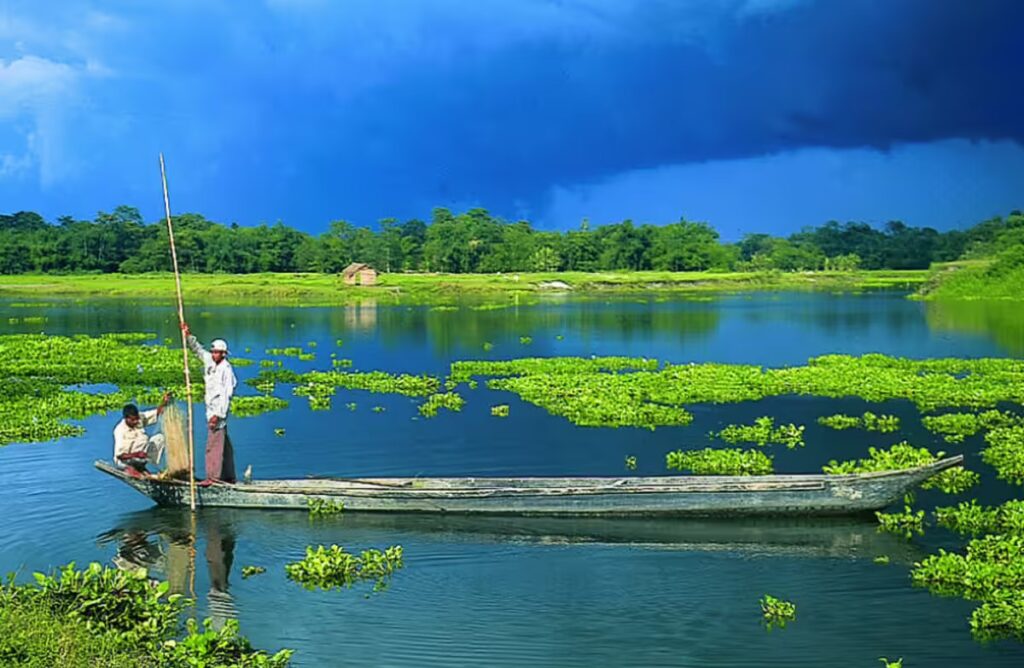
On a map, Majuli looks precarious — a large island in the middle of the Brahmaputra, the river shifting its channels with each monsoon, eroding the island from one side and depositing new land on another. A century ago, Majuli was 1,250 square kilometres. Today it is approximately 350 square kilometres — a 72% reduction over 100 years. And yet, on this diminishing, flood-shaped island, one of the most distinctive and ancient cultural traditions in Assam has persisted with extraordinary tenacity for over 500 years.
Majuli is the world’s largest river island by inhabitable land area and was officially recognised as India’s first island district in 2016. But its more profound distinction is as the cultural and spiritual heartland of the Assamese Vaishnavite tradition — the living embodiment of the reforms initiated by the saint Srimanta Shankardev in the 15th century. The Sattras (monasteries) of Majuli, of which approximately 22 remain active out of an original 65, are not museum pieces. They are working communities of monks and cultural practitioners who maintain a performing arts tradition — Sattriya dance, Borgeet devotional music, mask-making, and manuscript preservation — that has survived the floods, the erosion, and the modern world with remarkable vitality.
Quick Facts About Majuli
| State | Assam |
| District | Majuli (India’s first island district, 2016) |
| Area | Approximately 350 sq km (reduced from 1,250 sq km a century ago) |
| Population | Approximately 165,000 |
| Languages | Assamese, Mishing |
| Religion | Vaishnavite Hinduism (Sattras); traditional Mishing animism; other tribal beliefs |
| Access | Ferry from Nimatighat, Jorhat — approximately 1 hour |
| Nearest City | Jorhat — 15 km from the ferry ghat |
| Permit Required | No permits required |
| Best Time | October to March; avoid July–September (peak flood season) |
The People of Majuli
The Vaishnavite Sattra Communities
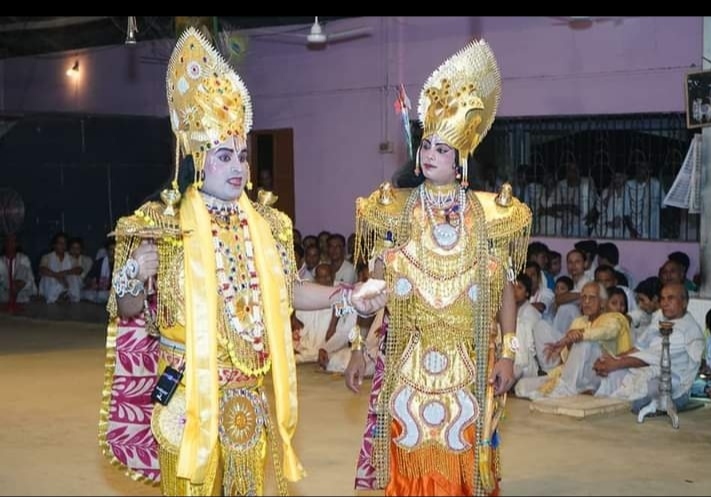
The Sattras of Majuli are monastic institutions of the Eka Saran Naam Dharma — the Vaishnavite sect founded by Srimanta Shankardev in the 15th century as a devotional reform movement emphasising the worship of Vishnu-Krishna through music, dance, and communal devotion. Each Sattra is a self-contained community with its own monks (bhakatas), its own performing arts tradition, its own land, and its own cultural calendar.
The three major Sattras: Auniati (largest and wealthiest), Kamalabari (most accessible and culturally active for visitors), and Dakhinpat (finest architecture and most traditional atmosphere) are the three Sattras that most visitors prioritise. Each has a different emphasis — Auniati is known for its collection of artefacts and its Paalnaam music tradition; Kamalabari for its mask-making and dance teaching; Dakhinpat for the austere beauty of its daily religious practice.
Sattriya dance: Sattriya, recognised as one of India’s eight classical dance forms in 2000, originated in the Sattras of Majuli. The dance — elaborate, devotional, and technically demanding — was originally performed only by male monks but is now taught to both men and women in the Sattras’ cultural schools.
The Mishing Tribe
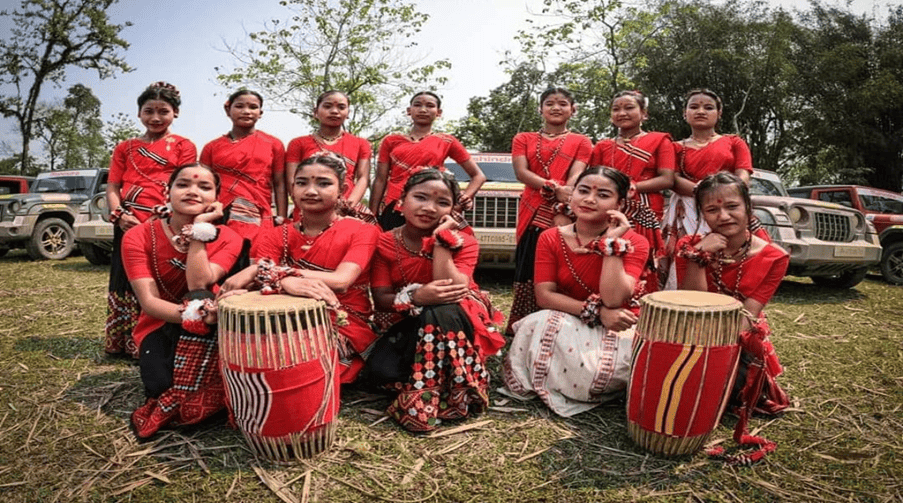
Alongside the Sattra communities, Majuli is home to the Mishing — one of Assam’s largest tribal communities, also known as the Miri, whose relationship with the Brahmaputra river system is one of the most distinctive indigenous ecological adaptations in Northeast India. The Mishing are a riverine people whose bamboo stilt houses, built above the flood level, whose fishing techniques, and whose agricultural practices reflect centuries of living with — rather than against — the annual flood pulse of one of Asia’s great rivers.
Stilt houses: Traditional Mishing houses are constructed entirely from bamboo on raised platforms above the anticipated flood level — an elegant, effective, and completely sustainable architecture that allows the island’s annual flooding to pass beneath the living space without disaster.
Apong (rice beer): The Mishing are known for their apong — a fermented rice beer that comes in multiple varieties and is central to their social and ceremonial life. Visitors to Mishing villages are typically offered apong as a gesture of hospitality.
Weaving: Mishing women weave on traditional loin-strap looms producing textiles of distinctive geometric patterns in cotton and silk; their weaving is among the most sought-after in Assam.
Top Attractions in Majuli
1. Kamalabari Sattra
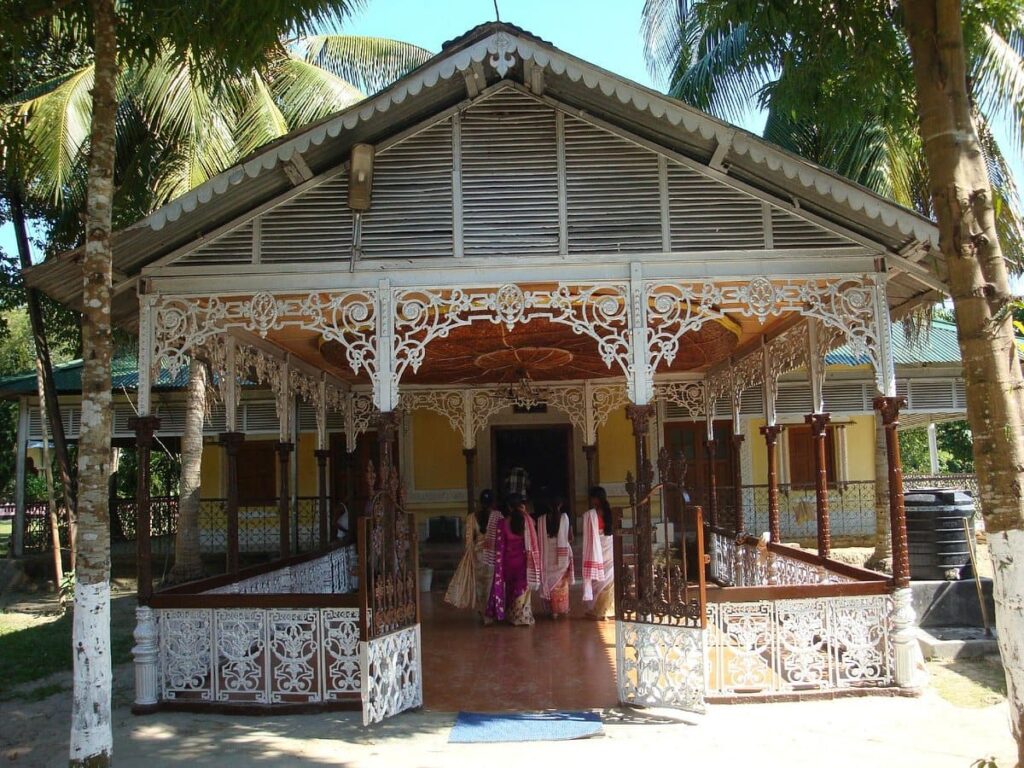
Kamalabari is the most visitor-friendly Sattra on Majuli — active, welcoming, and a centre of mask-making and Sattriya dance teaching. The resident monks welcome respectful visitors to observe mask-making workshops, morning prayers, and occasional dance rehearsals. The Sattra’s extensive collection of traditional masks — used in the Raas Leela performances — is one of the finest on the island.
- Mask-making workshop: watch monks create the elaborate papier-mâché and bamboo masks used in Raas Leela
- Morning prayers (nam kirtan): chanting and devotional music in the prayer hall — open to visitors
- Sattriya dance school: classes visible from 8–10 AM on most days
- The Sattra’s guesthouse allows overnight stays — the most immersive Majuli experience
2. Auniati Sattra
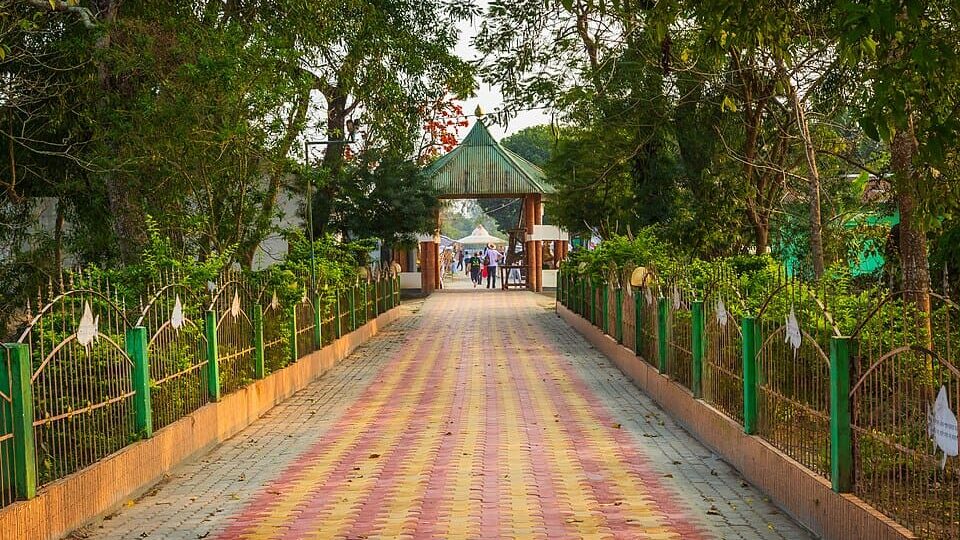
Auniati is the largest and wealthiest Sattra on Majuli, established in 1653. Its museum houses one of the finest collections of Vaishnavite artefacts in Assam — brass utensils, jewellery, royal gifts from the Ahom kings, ancient manuscripts, and the enormous communal drum (khol) that defines the Sattra’s musical identity. The Paalnaam music tradition at Auniati — a call-and-response devotional singing form — is deeply moving.
- Museum collection: brass utensils, Ahom royal gifts, ancient manuscripts
- The main prayer hall has extraordinary scale and atmosphere
- Paalnaam sessions — enquire about times on arrival
3. Dakhinpat Sattra
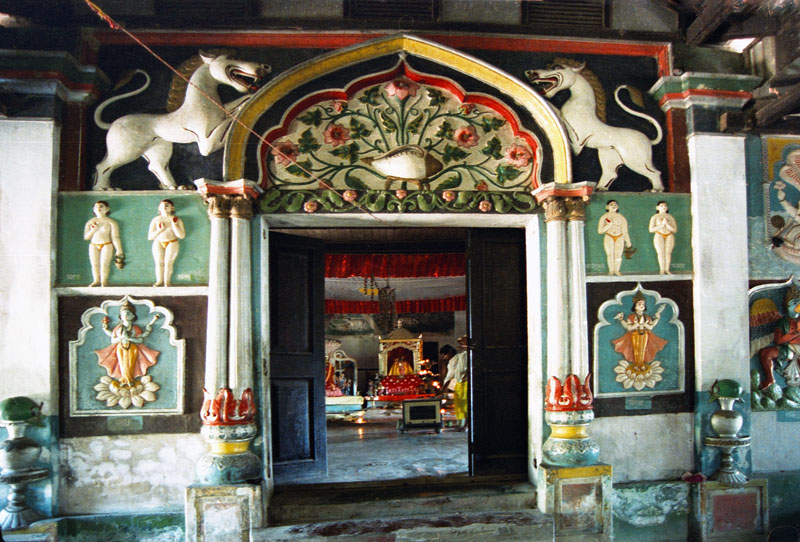
Dakhinpat Sattra, one of Majuli’s oldest and most architecturally distinguished monasteries, is known for the austere quality of its religious practice and the exceptional devotion of its monastic community. The Sattra is less commercially visited than Kamalabari or Auniati, making it the most authentically contemplative of the three major Sattras. The lotus pond in front of the prayer hall and the ancient trees of the monastery grounds create an atmosphere of deep tranquility.
- Oldest established Sattra traditions on Majuli
- Lotus pond and ancient trees give the grounds an exceptional atmosphere
- Less visited — a quieter and more contemplative experience than the major Sattras
4. Raas Leela Festival
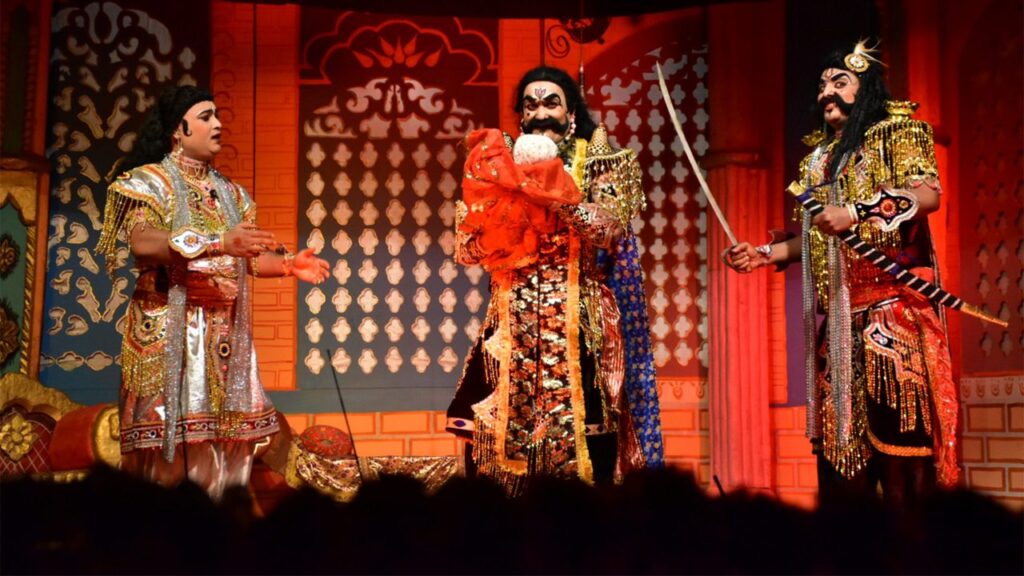
The Raas Leela festival, held during the Kartik Purnima (October–November full moon) at the Sattras of Majuli, is one of the most extraordinary cultural performances in Northeast India. Over three nights, monks perform elaborate masked dance-dramas depicting episodes from the life of Krishna — the Raas (the divine dance) and the Leela (the divine play). The performances combine Sattriya dance, elaborate mask costumes, devotional music, and firelight into an experience of rare spiritual and artistic intensity.
- Held annually during Kartik Purnima — October or November full moon
- Three nights of performances at multiple Sattras across the island
- The masks used are the finest examples of Assamese traditional craft
- Book accommodation and ferry months in advance — Majuli fills completely during Raas Leela
| Raas Leela is the single most compelling reason to plan a visit to Majuli. The combination of masked performance, devotional music, firelight, and river island atmosphere creates an evening of cultural intensity that has few equivalents anywhere in India. The festival draws growing numbers of visitors each year — book very early. |
5. Mishing Village Walk
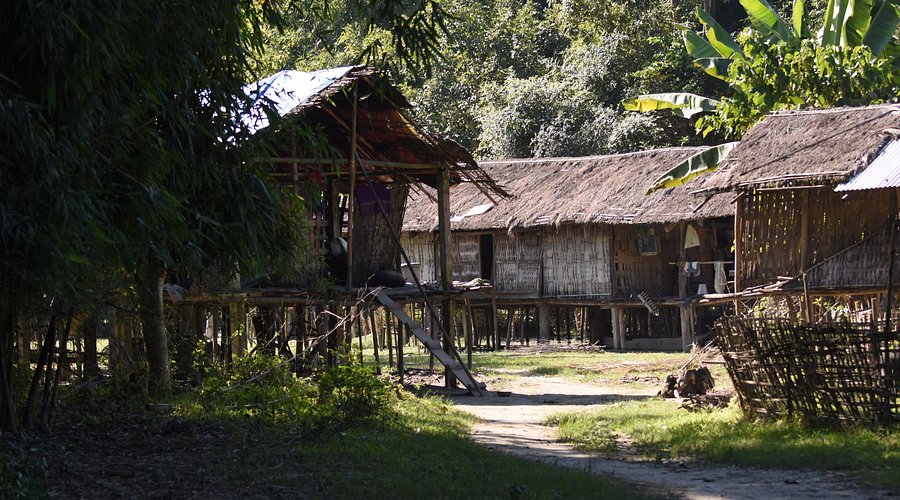
Walking through Mishing villages on Majuli’s interior — past the bamboo stilt houses, the vegetable gardens raised above flood level, the women weaving on loin-strap looms, and the children playing between the bamboo pillars — is one of the most authentic rural community experiences in Assam. A local guide (available through most Majuli guesthouses) provides essential context and ensures culturally appropriate interactions.
- Stilt-house architecture unique to the Mishing community
- Weaving demonstrations in most households — purchase directly from the weaver
- Apong rice beer offered as hospitality — accept with appreciation
- Photography etiquette: always ask permission; most families are welcoming but the request matters
6. Cycling Majuli
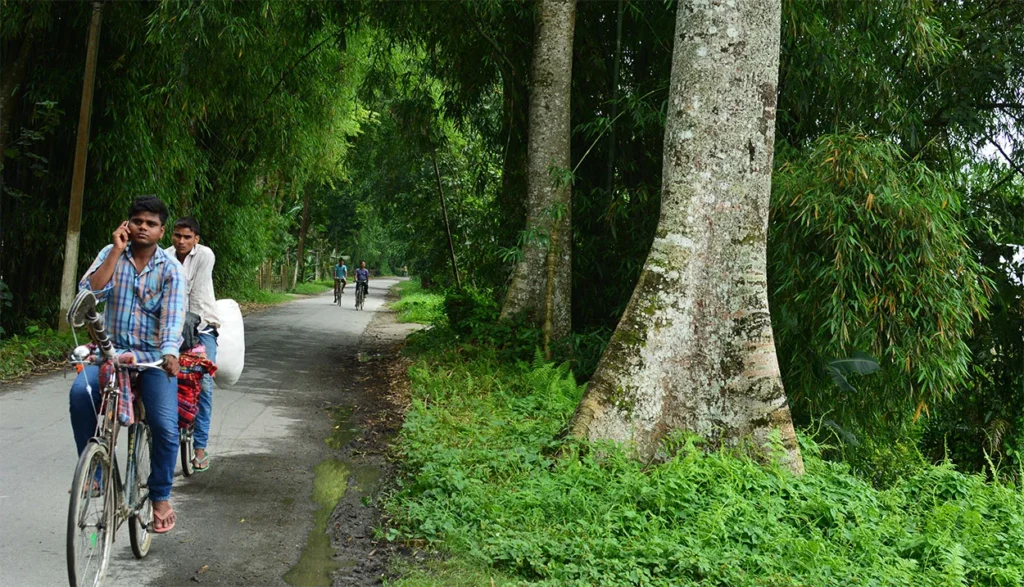
Majuli is one of the finest cycling destinations in Northeast India — flat, scenic, lightly trafficked rural roads connecting Sattras, Mishing villages, and the river’s edge viewpoints across the island. Most guesthouses rent bicycles for ₹100–₹200 per day. A full-day cycling circuit of 40–50 km covering the three major Sattras and several Mishing villages is one of the great slow-travel experiences in Assam.
- Flat terrain — ideal for casual cyclists of any fitness level
- Bicycle rental available at most Majuli guesthouses and at the ferry ghat
- Recommended circuit: Kamalabari → Auniati → Dakhinpat → riverside return (approximately 40 km)
Where to Eat in Majuli
- Mishing home cooking — The definitive Majuli food experience; rice, fish from the Brahmaputra, bamboo shoot preparations, and apong rice beer
- Sattra guesthouses — Simple Assamese vegetarian food prepared in Sattra kitchens; clean, wholesome, and culturally consistent with the monastery environment
- La Maison de Ananda and similar eco-guesthouses — The best quality food on Majuli; locally sourced, thoughtfully prepared
- Majuli market stalls — Fresh local fish, vegetables, and pitha cakes at the weekly market
Where to Stay in Majuli
- Sattra guesthouses (Kamalabari) — The most immersive option; staying within the Sattra grounds; basic facilities; ₹600–₹1,200 with meals
- La Maison de Ananda — Majuli’s most celebrated eco-guesthouse; bamboo architecture; organic food; exceptional hospitality; ₹2,500–₹4,500
- Majuli Circuit House — Government accommodation; reliable and affordable; book through the district administration
- Mishing homestays — Available in several villages; the most culturally immersive option; basic but genuinely warm
How to Reach Majuli
Ferry from Nimatighat (Standard Route)
- Nimatighat ferry terminal is 15 km from Jorhat town
- Ferry crossing takes approximately 1 hour (the crossing varies with river conditions)
- Ferries operate from approximately 8 AM to 2 PM daily; morning crossings recommended to arrive with the full day ahead
- The ferry carries passengers, bicycles, motorbikes, and vehicles; arrive early for vehicle loading
Getting to Jorhat
- Jorhat Airport: flights from Guwahati (40 min), Kolkata, and Delhi
- Jorhat Railway Station: on the Guwahati–Dibrugarh main line
- Road from Guwahati: 305 km; approximately 6 hours
| The Brahmaputra ferry crossing to Majuli is an experience in itself — the wide river, the distant hills of Arunachal Pradesh to the north, the other passengers (monks, farmers, school children, traders), and the gradual emergence of the island from the river haze create an arrival that mentally prepares you perfectly for what you are about to find. |
Travel Essentials for Majuli
- No permits required
- Cash only on the island — no ATMs on Majuli; carry sufficient cash from Jorhat
- Mobile: Airtel and BSNL available; patchy in interior villages
- Bicycle: rent rather than bring — guesthouses have good options
- Bring a light waterproof layer — the island is in the Brahmaputra floodplain and surprise showers occur year-round
- Insect repellent: essential in the evenings
Best Time to Visit Majuli
- October to November: Best overall; Raas Leela festival; pleasant temperatures; island fully accessible
- December to March: Excellent; dry and comfortable; all Sattras active; low tourist numbers outside festivals
- April to June: Warm; pre-monsoon; island still accessible; Bihu festival in April
- July to September: Peak flood season; parts of the island inundated; ferry crossings can be dangerous; not recommended
