




Imagine waking up to the smell of pine and woodsmoke in a bamboo homestay, a river rushing somewhere below, and a family offering you rice beer and smoked pork before sunrise. No crowds. No queues. No tourist traps. Just the kind of travel that reminds you why you started exploring in the first place.
That is Northeast India — and most of the world still hasn’t heard of it.
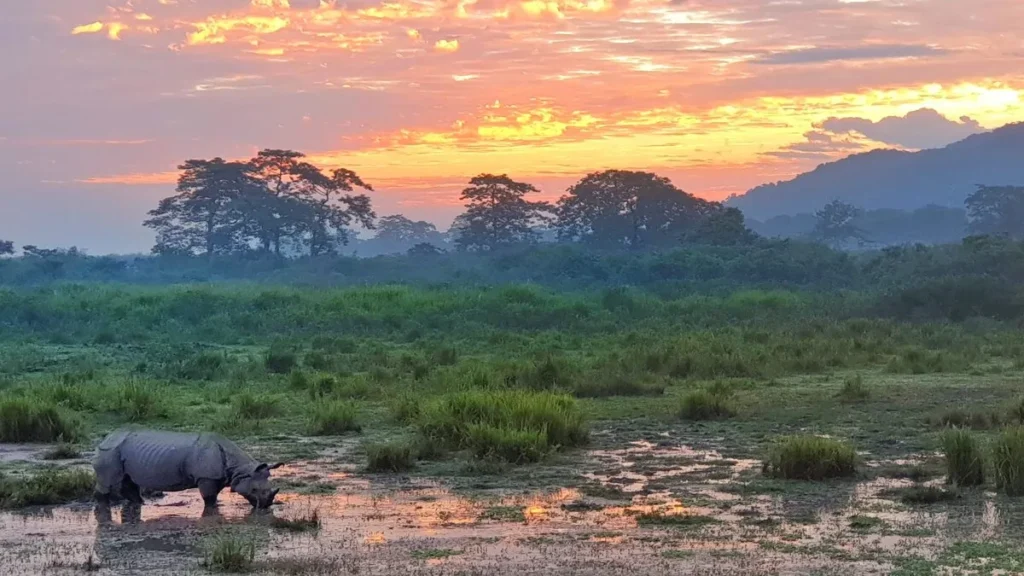
Tucked into the far eastern corner of the subcontinent, the region known as the Seven Sisters (plus Sikkim) spans eight extraordinary states: Assam, Meghalaya, Arunachal Pradesh, Nagaland, Manipur, Mizoram, Tripura, and Sikkim. Together, they account for nearly 8% of India’s geographical area but carry a disproportionate share of its biodiversity, tribal heritage, and jaw-dropping scenery — from the Himalayan peaks of Sikkim and Arunachal to the cave labyrinths of Meghalaya, the floating lake of Manipur, and the one-horned rhino grasslands of Assam.
Over 200 tribal communities call this region home, each with their own language, weaving tradition, festivals, and worldview. It is arguably the most ethnically and ecologically diverse corner of South Asia, and yet it remains one of the least visited regions by both domestic and international tourists.
That is changing fast. New rail links, improved road connectivity, and a wave of passionate local tourism entrepreneurs are making Northeast India more accessible than ever. This guide gives you everything you need — all 8 states, seasonal advice, travel permits, top experiences, food, and where to stay — so you can experience this region before the rest of the world catches on.
Why Northeast India Belongs on Every Traveler’s Bucket List
There are places that simply defy easy description, where every valley holds a different language and every festival feels like a window into a civilization you never knew existed. Northeast India is one of them.
Here is what makes it genuinely unlike anywhere else:
- Extraordinary biodiversity: The region holds over 50% of India’s bird species, nearly 40% of its flowering plants, and is home to flagship wildlife including the Indian one-horned rhinoceros, snow leopard, red panda, clouded leopard, and Hoolock gibbon — Asia’s only ape. Kaziranga National Park alone has the world’s largest population of one-horned rhinos.
- Cultural depth that is unmatched in South Asia: More than 220 distinct tribal and sub-tribal groups live across these eight states. The Naga tribes of Nagaland, the Khasi and Garo of Meghalaya, the Mizo, the Adi, the Bodo, the Manipuri — each community has preserved its own ceremonies, music, oral traditions, and crafts for centuries. This is living culture, not a museum exhibit.
- Landscapes that span the full spectrum: You can go from subtropical rainforests to alpine tundra, from the world’s largest river island (Majuli in Assam) to the world’s cleanest village (Mawlynnong in Meghalaya), all within a relatively compact region.
- Genuine offbeat credentials: Unlike other parts of India where “offbeat” has become a marketing term, Northeast India genuinely has trails, villages, and festivals that see very few outsiders. The infrastructure is improving, but the spirit of discovery is very much intact.
- A tourism economy that directly benefits local communities: Because accommodation is often homestay-based and guides are local, your travel spending has a more direct positive impact here than almost anywhere in India.
For the adventure traveler, the culture seeker, the wildlife enthusiast, and the curious wanderer who wants something completely different — Northeast India delivers.
The 8 States at a Glance
Each state in Northeast India has a distinct personality. Here is a quick-reference overview of all eight, the top reason to visit each, and the best time to go.
| State | Known For | Top Experience | Best Season |
| Assam | Tea gardens, Kaziranga NP, Brahmaputra | One-horned rhino safari; Majuli Island | Oct – Apr |
| Meghalaya | Living root bridges, caves, world’s wettest place | Cherrapunji, Dawki River, Mawlynnong Village | Sep – May |
| Arunachal Pradesh | Snow peaks, Buddhist monasteries, tribal heritage | Tawang Monastery, Ziro Valley, Namdapha NP | Oct – Apr |
| Nagaland | Naga warrior culture, Hornbill Festival | Kohima, Mon District, Dzükou Valley trek | Oct – Mar |
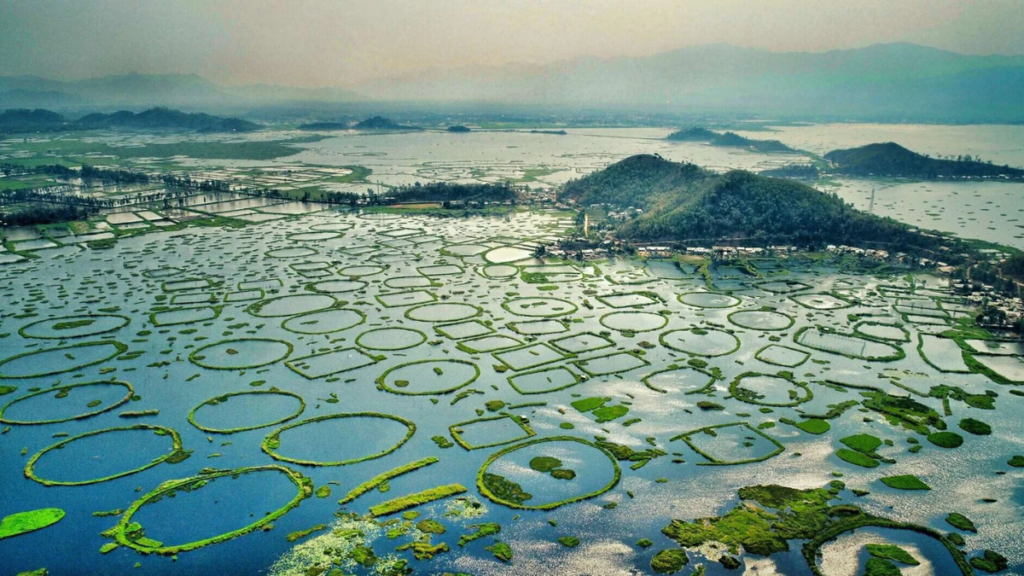
| Manipur | Floating lake, classical dance, polo’s birthplace | Loktak Lake, Keibul Lamjao NP, Kangla Fort | Oct – Mar |
| Mizoram | Scenic hills, India’s cleanest cities | Aizawl, Phawngpui Blue Mountain, Tam Dil Lake | Oct – Mar |
| Tripura | Royal palaces, Bengali-tribal culture | Ujjayanta Palace, Neermahal Water Palace | Oct – Mar |
| Sikkim | Himalayan treks, Buddhist gompas, organic farms | Gurudongmar Lake, Goecha La trek, Pelling | Mar – May, Oct – Dec |
Assam
The gateway to the Northeast, Assam is where most travelers begin their journey — and often linger longer than planned. The Brahmaputra River gives the state its soul, and Kaziranga National Park (a designated UNESCO World Heritage Site) offers some of the world’s best wildlife viewing. Beyond the rhinos, Assam is tea country: rolling gardens stretch for miles, and a single cup of first-flush Assam here tastes like nothing you’ve had before. The island of Majuli — the world’s largest river island — is a center of Vaishnavite culture and offers some of the most intimate cultural immersion in the region.
Meghalaya
The name means “Abode of Clouds,” and the state earns it. Meghalaya receives some of the highest rainfall on Earth — Mawsynram and Cherrapunji regularly compete for the title of the world’s wettest inhabited place. This rainfall has created a cathedral of waterfalls, cave systems (the longest in South Asia), and, most famously, living root bridges — structures grown over centuries by the Khasi people by training the roots of rubber fig trees across rivers. The bridge at Nongriat is a rite of passage. Dawki’s translucent river and the immaculate Mawlynnong village complete the picture.
Arunachal Pradesh
India’s largest northeastern state is a land of snowcapped peaks, high passes, raging rivers, and one of the country’s most dramatic Buddhist monasteries at Tawang. The Ziro Valley, home to the Apatani tribe and host to the celebrated Ziro Music Festival, is on every discerning traveler’s list. Namdapha National Park — one of India’s most remote wildlife sanctuaries — is the only park in the world with four big cat species. Note: a Protected Area Permit (PAP) is required for foreigners, and an Inner Line Permit (ILP) for Indian nationals.
Nagaland
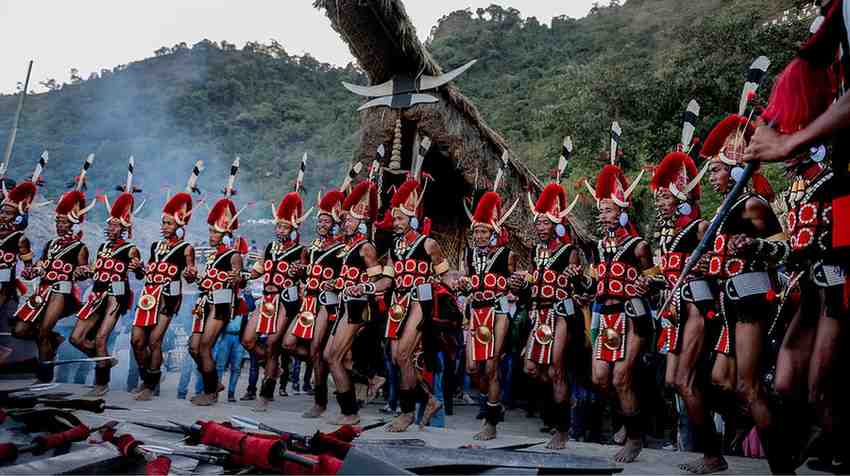
Nagaland is the heartland of Naga tribal culture — 16 major tribes, each with its own language, headdress, and warrior tradition. The state’s crowning event is the Hornbill Festival in December: ten days of tribal dances, crafts, music, indigenous games, and food that draws visitors from around the world. The Dzükou Valley trek, often called the “Valley of Flowers of the Northeast,” is a must. Mon district offers a glimpse of the Konyak tribe, once known as headhunters, whose tattooed elders carry memories of an extraordinary past.
Manipur
Manipur is one of India’s best-kept secrets. The floating wetland of Loktak Lake — fringed by phumdis, the world’s only floating biomass islands — is home to the critically endangered Sangai deer at Keibul Lamjao National Park (the world’s only floating national park). The state is also the birthplace of Polo, classical Manipuri dance, and has a martial art tradition (Thang-Ta) that predates many of the world’s more famous combat systems. An ILP is required for both Indian nationals and foreigners.
Mizoram
Consistently ranked among India’s cleanest and most literate states, Mizoram is a place where rolling blue-green hills meet warm Mizo hospitality. Aizawl, the capital, is a city draped across a ridge with views that stop you in your tracks. Phawngpui Blue Mountain (the state’s highest peak) offers excellent trekking, while Tam Dil Lake is a quiet gem. The Mizo people are deeply community-oriented, and the warmth of a Mizo homestay is something travelers consistently describe as a highlight. An ILP is required.
Tripura
Often overlooked by travelers focused on the mountainous states, Tripura surprises with its blend of royal Bengal heritage and tribal culture. The Ujjayanta Palace in Agartala is one of Northeast India’s most striking buildings, while Neermahal — a summer palace built in the middle of Rudrasagar Lake — is one of the region’s most photogenic landmarks. Tripura also has excellent wildlife in Sepahijala and Trishna sanctuaries.
Sikkim
The only Himalayan state in the Northeast cluster, Sikkim punches above its weight in every category. The drive to Gurudongmar Lake (one of the world’s highest lakes at 5,183 meters) is one of the most memorable road journeys in India. The Goecha La trek passes some of the world’s most dramatic high-altitude scenery. Sikkim is also India’s first fully organic state — its markets and home kitchens produce food of extraordinary freshness. Rumtek, Pemayangtse, and dozens of other Buddhist monasteries add a layer of spiritual atmosphere that is hard to find elsewhere.
Travel Permits: What You Need to Know Before You Go
One of the most common reasons travelers hesitate about Northeast India is the permit system. The reality: it is simpler than it sounds, and a small amount of planning removes all friction.
Inner Line Permit (ILP)
Four states require an Inner Line Permit for Indian nationals: Arunachal Pradesh, Manipur, Mizoram, and Nagaland. The ILP is essentially a government-issued travel document that allows Indian citizens to visit these protected border regions.
- How to get it: Online portals now exist for all four states, or you can apply in person at the state’s government offices in major cities like Delhi, Kolkata, and Guwahati. Processing is typically same-day to 48 hours.
- Cost: Nominal — typically between ₹100–₹300 depending on the state and duration.
- Tip: Apply before you travel, not on arrival. Carry multiple printed copies — police checkpoints are common and they will check.
Also Read: How to Apply for Travel Permits
Protected Area Permit (PAP)
Foreign nationals require a Protected Area Permit (PAP) to visit Arunachal Pradesh, Manipur, Mizoram, Nagaland, and parts of Sikkim near the border. PAPs are issued by the Ministry of Home Affairs and can be arranged through registered tour operators or at specified government offices.
- Foreign nationals must enter as part of a group of at least two people to qualify for a PAP in most protected areas.
- Allow at least 4–6 weeks for PAP processing if applying through the Ministry directly; tour operators can often expedite this.
For the most up-to-date requirements and links to online applications, visit the Travel Permits section on NorthEast India Connect.
Top Experiences by Travel Style
For Adventure & Outdoor Seekers
Northeast India is an adventure traveler’s playground — and most of it is still gloriously uncrowded.
- Trekking: The Dzükou Valley (Nagaland/Manipur border) is carpeted with wildflowers in season and offers an overnight trek that stays with you for years. Goecha La in Sikkim is one of the finest high-altitude treks in India. The Ziro-to-Along trail in Arunachal is for those who want to go truly off the grid.
- White-water rafting: The Teesta River (Sikkim) and Subansiri River (Arunachal) offer rapids ranging from beginner-friendly to expert-level. The Brahmaputra itself can be navigated by river cruise or raft between Guwahati and Dibrugarh.
- Caving: Meghalaya has over 1,700 documented caves, including Krem Liat Prah — the longest cave in South Asia. Caving tours ranging from beginner to expert are available through specialist local operators.
- Wildlife safaris: Kaziranga (Assam), Manas (Assam), Namdapha (Arunachal), and Keibul Lamjao (Manipur) offer wildlife encounters that rival any park in India for rarity of sightings.
- Paragliding and mountain biking: Both are growing fast, especially in Sikkim and Meghalaya.
For Culture & Heritage Travelers
Nowhere in India — perhaps nowhere in Asia — offers this density of living tribal culture in such a compact area.
- Hornbill Festival, Nagaland (December): Ten days of tribal performance, crafts, music, food, and sport. Every Naga tribe participates. This is not a tourist recreation — it is a genuine cultural summit, and it is open to all.
- Ziro Music Festival, Arunachal (September): One of India’s most acclaimed independent music festivals, held in the natural amphitheater of the Ziro Valley. Artists come from across the world; camping under the stars is mandatory.
- Bihu, Assam (April): Assam’s biggest festival is a celebration of the harvest and the new year, marked by energetic Bihu dance, traditional music, and a carnival atmosphere across the state.
- Homestay cultural experiences: Staying with a Khasi family in Meghalaya, a Naga family in Nagaland, or an Apatani family in Arunachal is not just accommodation — it is access to a way of life. Meals, stories, and everyday rituals become the highlights of the trip.
- Arts and crafts: Manipuri weaving (Moirang Phee), Naga shawls, Mizo bamboo crafts, Assamese silk (Muga and Eri) — Northeast India produces some of the finest handmade textiles in the world. Buying directly from artisans supports communities and ensures authenticity.
For Nature & Slow Travel Enthusiasts
- Tea garden walks in Assam: Arrange a stay at one of the heritage tea bungalows in Jorhat or Dibrugarh and spend mornings wandering through gardens, learning the plucking process, and drinking the freshest cup of Assam tea imaginable.
- Mawlynnong, Meghalaya: Named Asia’s cleanest village, Mawlynnong is a window into the Khasi philosophy of communal care — bamboo dustbins on every path, immaculate gardens, and a treehouse with views of the Bangladesh plains below.
- Dawki River: Boats float on the surface of the Umngot River with such clarity it looks like they are hovering in mid-air. One of Northeast India’s most-shared images — but the reality exceeds the photographs.
- Loktak Lake, Manipur: A boat ride across this massive freshwater lake, passing through the floating phumdis and watching fishermen in dugouts, is one of the most meditative experiences the Northeast offers.
- Sikkim’s monastery trail: A self-guided circuit of Sikkim’s Buddhist monasteries — Rumtek, Pemayangtse, Tashiding, Enchey — is a slow, contemplative journey through centuries of Himalayan Buddhism.
For Heritage & History Travelers
- Tawang Monastery, Arunachal: Founded in 1680, Tawang is one of the largest Buddhist monasteries in the world outside Tibet. The drive up to it, via the Se La Pass (4,170 meters), is its own spectacular event.
- Kangla Fort, Imphal: Once the seat of the Meitei kingdom, Kangla is both a historical site and an emotionally significant place for the people of Manipur. The fort’s temples and sacred cannon positions tell centuries of history.
- WWII sites, Nagaland and Manipur: The Battle of Kohima (1944) was a turning point in World War II — described by some historians as the greatest battle fought on Indian soil. The Kohima War Cemetery is sobering and beautiful. The Imphal War Cemetery is equally moving.
- Ujjayanta Palace, Tripura: Built in 1901 by the Maharaja of Tripura, this Indo-Saracenic palace is now a state museum housing an impressive collection of royal artifacts and tribal heritage.
- Neermahal Water Palace, Tripura: A fairy-tale structure rising from Rudrasagar Lake, built as a summer residence for the Manikya dynasty in 1930. Best visited in the late afternoon light.
When to Visit: The Definitive Seasonal Guide
Northeast India does not have a single “best time” — it depends on what you want to experience. Here is how the year breaks down:
| Season | Months | Conditions | Best For |
| Peak / Winter | Oct – Mar | Dry, clear skies, cool temperatures | Trekking, festivals, wildlife safaris |
| Spring | Apr – Jun | Warm valleys, rhododendrons in bloom | Sikkim, Arunachal high passes |
| Monsoon | Jul – Sep | Heavy rain, lush green landscapes | Meghalaya’s caves & root bridges (adventurous travelers) |
October to March is the sweet spot for most travelers. The post-monsoon clarity makes the mountains stunning, wildlife is most active in the national parks, and the major festivals — Hornbill, Bihu, Losar, Tawang — fall within this window.
The monsoon (July to September) is worth considering for experienced travelers with flexibility. Meghalaya is at its most dramatic and beautiful in the rain, Cherrapunji’s waterfalls are at full force, and the living root bridges are best appreciated against a backdrop of rushing water. Flooding and road closures are real risks — always check advisories before travel during this period.
Spring (April to June) is the time for Sikkim: rhododendrons in bloom, clear mountain air, and the high passes opening after winter. The Brahmaputra valley in Assam is also beautiful in spring before the heat arrives.
How to Get There & Get Around
Getting to Northeast India
- By Air: Guwahati’s Lokpriya Gopinath Bordoloi International Airport is the main hub and connects to Delhi, Kolkata, Mumbai, and major Indian cities daily. Other airports with regular domestic connections include Imphal (Manipur), Dibrugarh (Assam), Agartala (Tripura), and Bagdogra (for Sikkim and Darjeeling).
- By Train: Guwahati is the major rail hub for the Northeast. New rail lines are transforming connectivity — Mizoram now has its first rail link, and Manipur’s rail connection is expected to significantly open up the state to visitors. The weekly trains between major Indian cities and Guwahati offer a scenic and affordable entry point.
- By Road: The National Highway network connects the Northeast to West Bengal, and overland entry via Siliguri (the “Chicken’s Neck” corridor) is a popular choice for travelers coming from Darjeeling or West Bengal. Road conditions vary significantly — mountain roads are best navigated by SUV or with a driver familiar with local conditions.
Getting Around Within the Region
- Shared taxis and sumos (Mahindra Bolero jeeps) are the cultural norm for inter-town travel. They are affordable, efficient, and an experience in themselves — you will share a cabin with local passengers, bags of produce, and the occasional live chicken.
- Local buses cover most routes but are slower and less comfortable. Ideal for budget travelers with flexible schedules.
- Self-drive car rentals are available in most state capitals and are a good option for those who want maximum flexibility. Browse local car rental providers on the NorthEast India Connect directory.
- Hired cars with drivers: For inter-state journeys or remote areas, hiring a local driver is often the most practical and enjoyable option. Local drivers double as informal guides, with knowledge of road conditions, checkpoints, and hidden spots that no app can replicate.
Where to Stay
Northeast India offers a spectrum of accommodation from backpacker guesthouses to heritage bungalows — but the standout option at almost every level is the homestay.
Homestays
Across all eight states, family-run homestays are the most authentic and often the most comfortable way to experience the Northeast. You will sleep in a local home, eat meals prepared with ingredients from the family’s garden or farm, and have conversations that guide books can never offer. Homestays are available from budget (₹500–800/night) to premium (₹2,000–5,000/night with traditional meals included).
Eco-Resorts
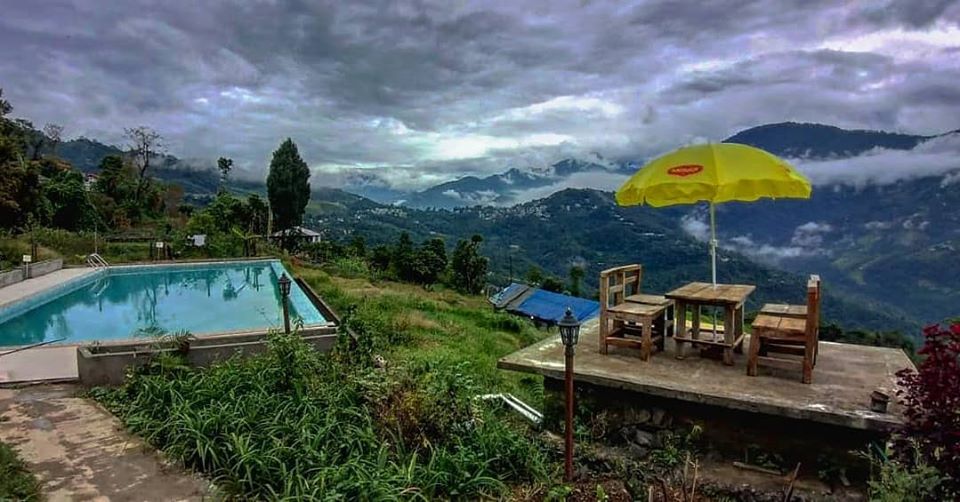
Meghalaya, Sikkim, and Arunachal Pradesh have seen a surge in well-designed eco-resorts in recent years — properties that combine genuine environmental responsibility with impressive comfort. Many are set in spectacular locations: riverside, forest-edge, or on mountain ridgelines.
Heritage & Colonial Properties
Assam’s tea-growing districts have some of Northeast India’s most charming accommodation: colonial-era planter’s bungalows that have been converted into guest properties. Staying in a working tea estate in Jorhat or Dibrugarh, waking up to mist over the tea rows, is an experience that stays with you. In Tripura, a heritage palace hotel adds royal flair.
Budget Guesthouses
Every state capital has a solid supply of clean, friendly guesthouses catering to backpackers and budget travelers. Standards have improved markedly over the past five years.
Browse verified homestays, resorts, and more across all 8 states in the NorthEast India Connect directory.
Food Guide: Eating Your Way Across the Eight Sisters
Northeast Indian food is one of the great undiscovered cuisines of Asia. Bold fermented flavors, bamboo shoots, smoked meats, and an extraordinary variety of rice preparations define a culinary tradition that is completely distinct from the rest of India. Here is a state-by-state primer:
- Assam: Masor tenga (a sour fish curry with tomatoes or fermented bamboo), Assamese thali served on bell-metal plates, pitha (rice cakes, especially during Bihu), and the finest single-origin tea in the world.
- Meghalaya: Jadoh (a one-pot rice and pork dish cooked in blood, aromatic with ginger and onion), dohneiiong (pork with black sesame), and the extraordinary tang of dohkhleh, a pork salad with onions and chili.
- Nagaland: Smoked pork with akhuni (fermented soybean paste) is a dish of genuine depth — pungent, smoky, and deeply savory. Rice beer (zutho) is the communal drink, and the chili pepper use here is among the most intense in the world.
- Manipur: Eromba is the state dish — a mash of boiled vegetables with fermented fish (ngari) and chili. Kangshoi is a light vegetable stew. Singju, a crunchy salad with bamboo shoots, lotus stem, and chili, is the street food of Imphal.
- Sikkim: Momos (steamed dumplings) here are transcendent — the pork and cheese versions are particular highlights. Thukpa (noodle soup), sel roti (crispy fried rice bread), and tongba (warm millet beer drunk through a bamboo straw) are essential.
- Arunachal Pradesh: Pika pila (bamboo shoot with pork fat and king chili) is the state’s most distinctive dish. Apong (rice beer) exists in dozens of varieties, each tribe having its own recipe. The food is simple, fiery, and deeply satisfying.
- Mizoram: Bai — pork cooked with bamboo shoots and local greens — is comfort food at its finest. Vawksa rep (smoked pork) and sawhchiar (rice cooked with pork or chicken) complete the essential Mizo table.
- Tripura: Gudok (a mash of dried fish and vegetables), wahan mosdeng (spicy pork), and muya bai (bamboo shoot curry) reflect the state’s Bengali-tribal culinary fusion. The use of dried and fermented fish here rivals Manipur in intensity.
Pro tip: Eating at a family homestay will always give you more authentic food than a restaurant. Ask your host to cook local — most will be delighted to share their family recipes.
Responsible Travel in Northeast India
Northeast India’s tourism economy is young, its ecosystems are fragile, and its cultures are living traditions — not tourist attractions. Here is how to travel in a way that respects and strengthens the places and people you visit.
- Ask before you photograph: In tribal villages, always ask permission before photographing people, ceremonies, or sacred spaces. Many communities have specific protocols around this, and a moment of respectful inquiry goes a long way.
- Dress modestly in villages: Particularly in more conservative communities and near religious sites, covering shoulders and knees is expected and appreciated.
- Book local: Use local guides, local guesthouses, and local transport operators wherever possible. A rupee spent with a local family stays in the community; one spent with an outside operator often doesn’t.
- Buy directly from artisans: Northeast India’s weavers, potters, and craftspeople are among the finest in South Asia. Buying directly from them at source villages or cooperative markets ensures they receive a fair price.
- Carry out what you carry in: Protected areas and trekking routes across the Northeast are pristine — help keep them that way. Plastic waste is a growing problem in many areas; bring a reusable water bottle and bag.
- Follow travel advisories: Some areas near international borders or with active political situations require extra care. Check current advisories before travel and follow guidance from local hosts.
- Understand the history: Northeast India has a complex political history. Read a little before you go. Travelers who approach the region with genuine curiosity and humility consistently have the richest experiences.
Planning Your Trip: Quick-Start Resources
Ready to go? Here is where to start on NorthEast India Connect:
- State Tourism Information: Detailed visa, permit, and entry requirements for all 8 states, plus state tourism board contacts.
- Travel Permits Guide: Step-by-step instructions for ILP and PAP applications, with links to official online portals.
- Homestays Directory: Verified family-run homestays across all 8 states, searchable by location and type.
- Resorts Directory: From eco-resorts to heritage properties, the region’s best stays in one place.
- Car Rentals & Travel Agencies: Local operators who know the roads, the checkpoints, and the hidden spots.
Not sure where to start? Here is a rough guide by travel style:
- First-time visitors to the Northeast: Start with Assam (Guwahati and Kaziranga) and Meghalaya (Shillong and Cherrapunji). Easy to access, no permit required, extraordinary value.
- Culture seekers: Plan around the Hornbill Festival (Nagaland, December) or the Ziro Music Festival (Arunachal, September). Book accommodation 3–6 months in advance for peak festival season.
- Trekkers: Sikkim and Nagaland offer the best trails for different difficulty levels. Goecha La for altitude; Dzükou Valley for a more accessible overnight.
- Wildlife enthusiasts: Kaziranga in October to March for rhinos; Namdapha in winter for the full big cat quartet; Keibul Lamjao year-round for the rare Sangai deer.
The Last Great Frontier — Come Before Everyone Else Does
Northeast India is not a destination that needs you to lower your expectations. It exceeds them. The biodiversity is as rich as any national park in Africa. The tribal cultures are as ancient and sophisticated as anything you will find in Southeast Asia. The landscapes range from subtropical valleys to Himalayan glaciers, from translucent rivers to mist-shrouded highlands.
What makes this region rare in the 2020s is not just what it has, but what it does not have yet: the crowds, the commercialization, the Instagram-famous queues. The living root bridges of Meghalaya, the Hornbill Festival of Nagaland, the rhino grasslands of Assam — these remain places where you can still feel like a genuine explorer.
The infrastructure is improving. The word is getting out. The window for experiencing the Northeast in its current form — accessible, but still raw and unhurried — is open, but not forever.
Come now. Explore responsibly. And let this part of India surprise you in ways that stay with you for the rest of your life.
