




Imphal is a city that carries a great deal. At 786 metres in the wide Imphal Valley, surrounded on all sides by forested hills that mark the borders with Assam, Nagaland, Mizoram, and Myanmar, Manipur’s capital is the political, cultural, and commercial centre of one of India’s most complex and most misunderstood states. It is the city where the Battle of Imphal was fought in 1944 — a pivotal WWII engagement now remembered at a moving Japanese-Indian peace museum. It is the city where the Ima Keithel market has been run entirely by women for over 500 years. It is the city where Kangla Fort, the sacred heart of Meitei civilisation, was returned to the people in 2004 after 113 years of colonial occupation. And it is the city where Manipuri classical dance — one of India’s most graceful classical traditions — continues to be taught, practised, and performed.
Imphal demands more than a transit day. The city is compact enough to be explored on foot and by auto-rickshaw, and its concentration of culturally significant sites — the market, the fort, the temples, the war cemetery — rewards at least two full days of unhurried exploration. Add the day trips to Loktak Lake, Keibul Lamjao, and the Sekta archaeological site, and Imphal reveals itself as one of the most genuinely interesting state capitals in Northeast India.
Quick Facts About Imphal
| State | Manipur |
| Role | State Capital |
| Altitude | 786 metres (2,579 feet) |
| Language | Meitei (Manipuri), English, Hindi, Nagamese |
| Religion | Vaishnavite Hinduism; Sanamahism (indigenous Meitei faith); Christianity; Islam |
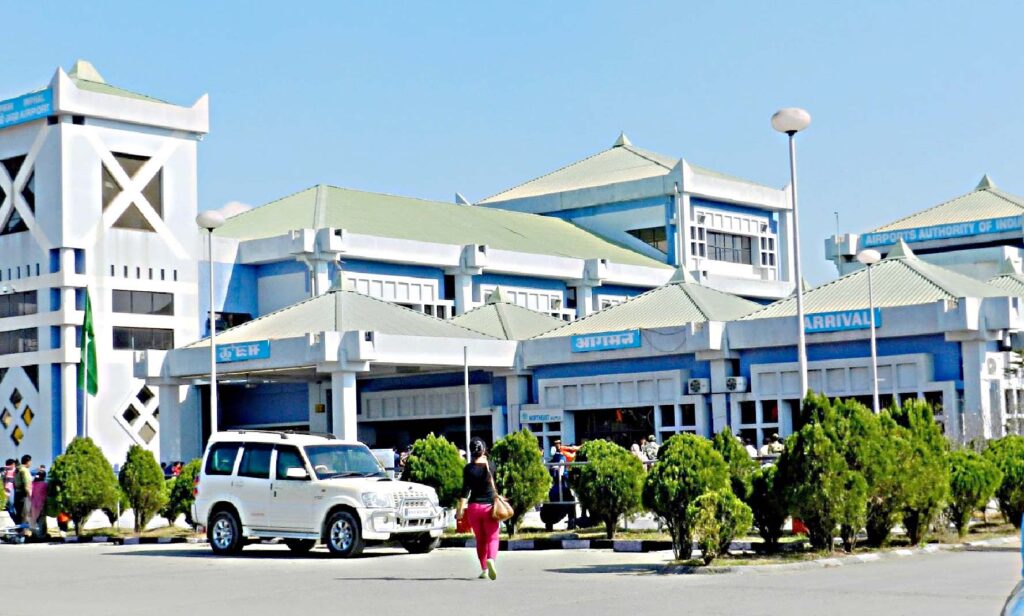
| Airport | Imphal International Airport — 8 km from city centre; connects to major Indian cities |
| Nearest Rail | No rail connection to Imphal; nearest station Jiribam (225 km, different region) |
| ILP Required | Yes — Manipur Inner Line Permit for all Indian nationals |
| Foreign Nationals | Protected Area Permit (PAP) required |
| Best Time | October to April |
The People of Imphal: The Meitei Community
Imphal is the homeland of the Meitei, Manipur’s majority community and one of the most culturally sophisticated indigenous peoples in Northeast India. The Meitei have a recorded history of over 2,000 years, a classical literary and artistic tradition, an indigenous faith (Sanamahism), and a performing arts culture — Manipuri dance, Thang-Ta martial art, Pung Cholom drumming — that has influenced not just Manipur but India’s broader cultural landscape.
Meitei language: Meitei (also called Manipuri or Meiteilon) is a Sino-Tibetan language with its own script (Meitei Mayek), its own classical literary tradition, and official status as one of India’s 22 scheduled languages. The revival of the Meitei Mayek script — suppressed during the colonial period in favour of the Bengali script — is one of the most significant cultural movements in contemporary Manipur.
Matriarchal social fabric: While not formally matrilineal, Meitei society gives women extraordinary economic and social authority. The Ima Keithel market — operated entirely by women — is the most visible expression of this, but Meitei women’s commercial, agricultural, and community leadership roles are broadly documented and deeply embedded in the culture.
Manipuri dance: The Ras Lila — Manipuri’s most celebrated classical form — originated in the Kangla court and developed in the temples of Imphal. The distinctive circular hand movements, the elaborate costume (particularly the drum-shaped skirt of the female performer), and the devotional quality of the movement make Manipuri one of the most distinctive of India’s classical dance traditions.
Top Attractions in Imphal
1. Ima Keithel — The Mothers’ Market
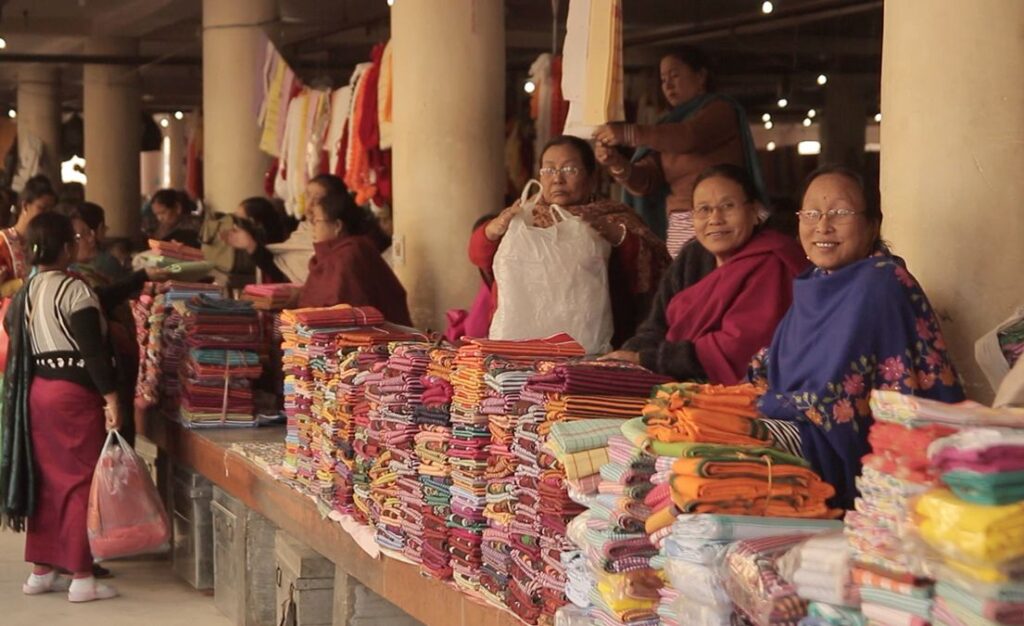
The Ima Keithel (Mothers’ Market) in central Imphal is one of the most extraordinary markets in India — believed to be the largest market in the world run exclusively by women. Over 5,000 women vendors operate two large market buildings in the heart of Imphal, selling vegetables, fish, textiles, household goods, Manipuri handicrafts, and traditional medicines. The market has been run by women continuously since the 16th century, with the tradition rooted in the Nupi Lal (Women’s Wars) — the remarkable episodes in which Meitei women rose collectively against colonial-era economic policies in 1904 and 1939.
- Estimated 5,000+ women vendors across two market buildings
- Products: fresh Manipuri produce, fish, Meitei textiles (Moirang Phee, Leirum Phee), traditional medicines, household goods
- Operating since the 16th century — one of the oldest continuously operating markets in India
- The Nupi Lal (1904 and 1939) — the Women’s Wars — originated here; the market is a site of deep historical resistance
- Best visited in the morning (8–11 AM) when activity and produce are at peak
| Ima Keithel etiquette: The market is an active commercial and social space, not a tourist attraction. Browse respectfully, buy something — even a small item of produce or a piece of local textile — and engage with the vendors with genuine curiosity rather than a camera held up without acknowledgment. The women of Ima Keithel are the commercial backbone of Imphal, not exhibits. |
2. Kangla Fort
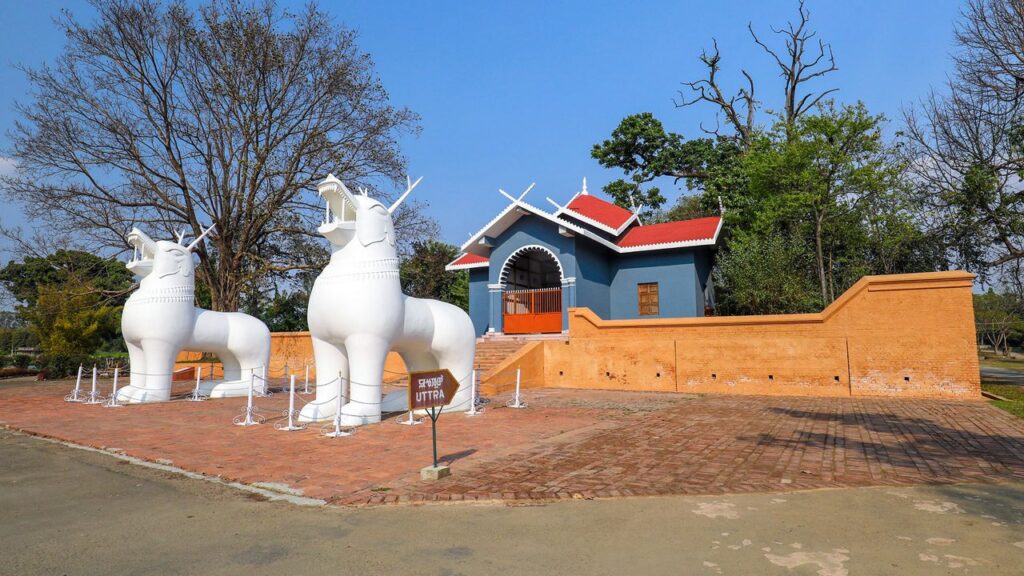
Kangla Fort, located in the heart of Imphal, was the ancient capital of the Meitei kingdom and remains Manipur’s most powerful historical and cultural symbol. Once the seat of the Ningthou (Meitei kings) for centuries, the fort complex — encircled by moats and marked by the iconic Kangla Sha dragon statues — preserves layers of royal, religious, and colonial history within its sacred grounds.
- The traditional seat of Meitei kings for over a millennium
- Captured by the British after the Anglo-Manipur War of 1891 and later used as a military cantonment
- The Kangla Sha (mythical dragon-lion guardians) stand as enduring symbols of Manipur’s royal heritage
- Now open to the public, the complex includes temples, royal ruins, museums, and sacred sites — allow at least 2 hours to explore
3. WWII Imphal War Cemetery
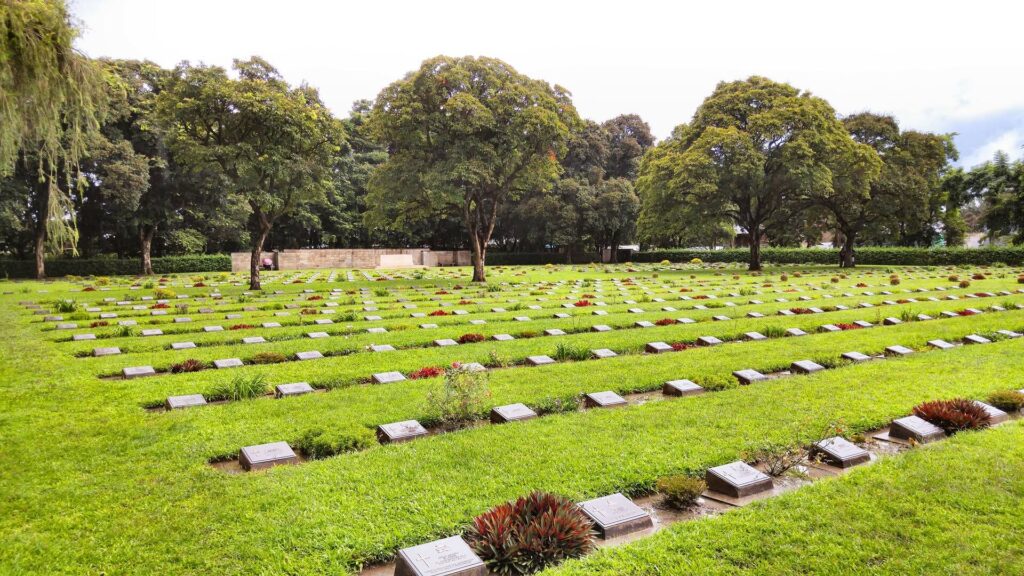
The Imphal War Cemetery, maintained by the Commonwealth War Graves Commission, holds 1,603 graves of Allied soldiers who died in the Battle of Imphal and the surrounding Manipur campaigns of 1944. The cemetery — beautifully maintained on a gentle slope with rose beds between the grave rows — is one of three WWII cemeteries in Manipur (alongside Kohima in Nagaland) and a deeply moving memorial to the scale of sacrifice in the Northeast’s war years.
- 1,603 graves of Allied soldiers — British, Indian, and Commonwealth forces
- The Battle of Imphal (March–July 1944) was among the decisive battles of the Pacific War
- Maintained with the same impeccable care as all Commonwealth War Graves Commission cemeteries
- The Imphal Peace Museum nearby provides essential contextual history — visit both
4. Govindajee Temple
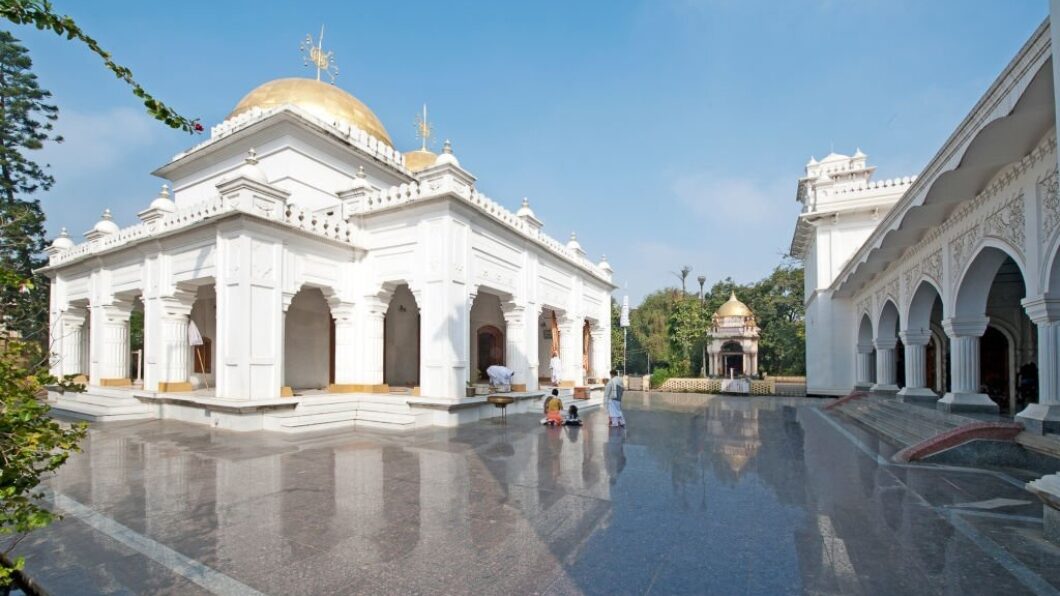
Manipur’s most important Vaishnavite temple — the twin-spired Govindajee — stands adjacent to Kangla on the royal palace grounds. Built in the 18th century when the Meitei kingdom adopted Vaishnavism, the temple is the most architecturally distinctive landmark in the Imphal skyline. Its Ras Lila festival (October–November) is one of Manipur’s most spectacular cultural events — three nights of Manipuri classical dance performed by the temple’s dedicated practitioners.
- Twin-spired 18th century temple; most iconic building in Imphal
- Ras Lila festival (October–November): extraordinary Manipuri dance performances over three nights
- Daily morning puja begins at 6 AM — open to respectful visitors
5. Manipur State Museum
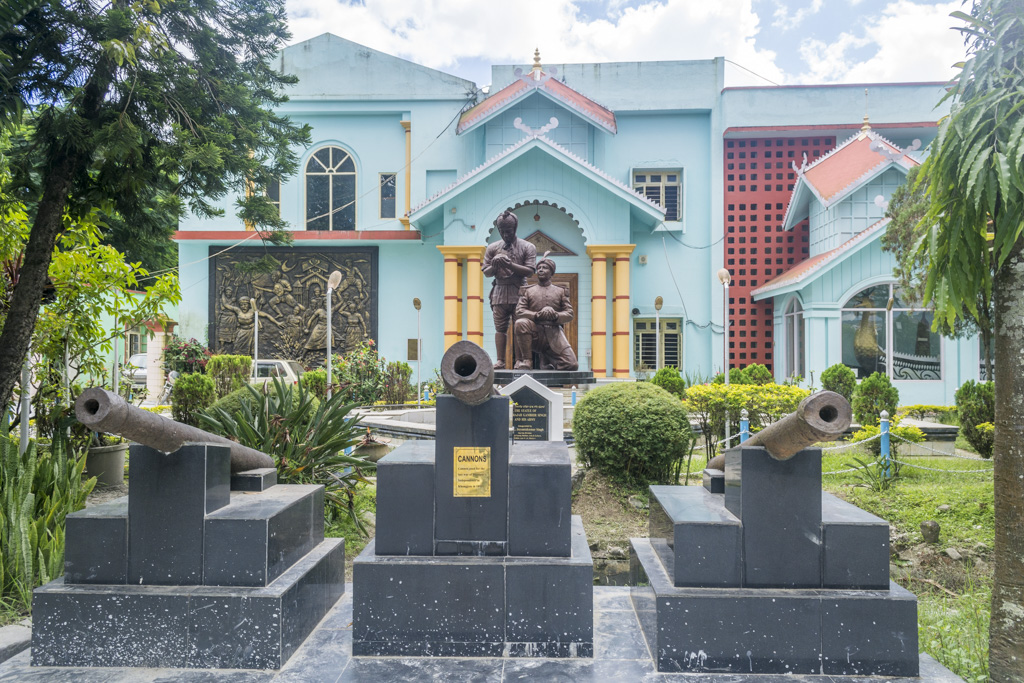
The Manipur State Museum, near the polo ground in Imphal, houses collections of Meitei royal regalia, traditional weapons, Manipuri textiles, archaeological finds, and natural history specimens. The textile collection is particularly outstanding — Manipur’s weaving traditions produce some of the finest handloom fabric in Northeast India.
- Meitei royal regalia, weapons, and court objects
- Outstanding Manipuri textile collection — Moirang Phee, Leirum Phee, and Phanek weaves
- Archaeological finds from Sekta and other Manipur sites
- Natural history gallery covering Manipur’s exceptional biodiversity
6. Khongjom War Memorial
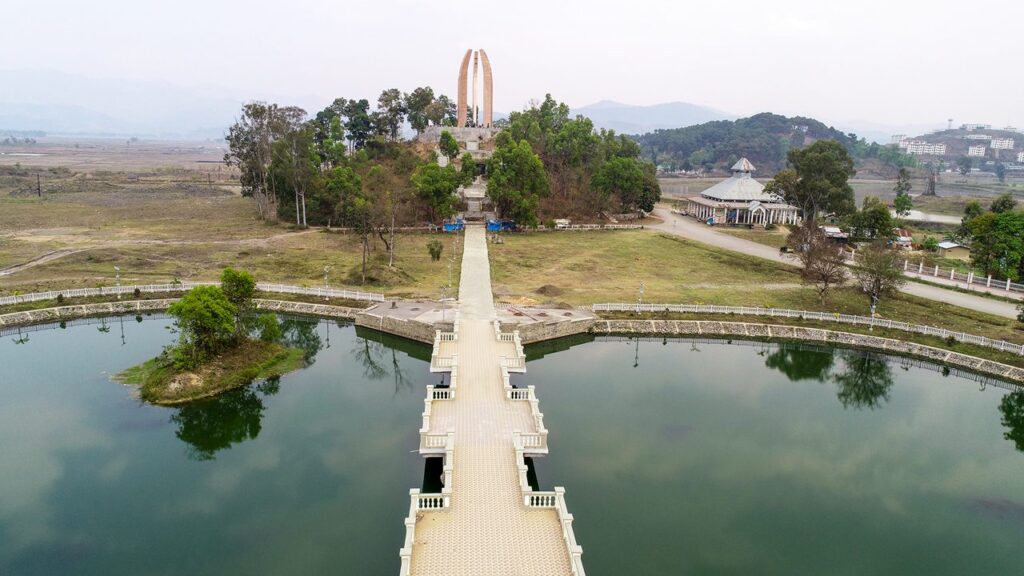
The Khongjom War Memorial, 47 km from Imphal at the site of the April 23, 1891 Battle of Khongjom — the final stand of Manipuri forces against the British in the Anglo-Manipuri War — is one of the most important historical sites in Manipur. The battle is commemorated annually on Khongjom Day (April 23) with cultural performances and community gatherings. The memorial overlooks the battlefield where Paona Brajabashi and other Manipuri warriors made their last stand.
- Site of the decisive battle of the Anglo-Manipuri War (1891)
- Khongjom Day (April 23): annual commemoration with cultural programmes
- 47 km from Imphal; combine with Loktak Lake day trip
7. Polo Ground — Birthplace of Polo
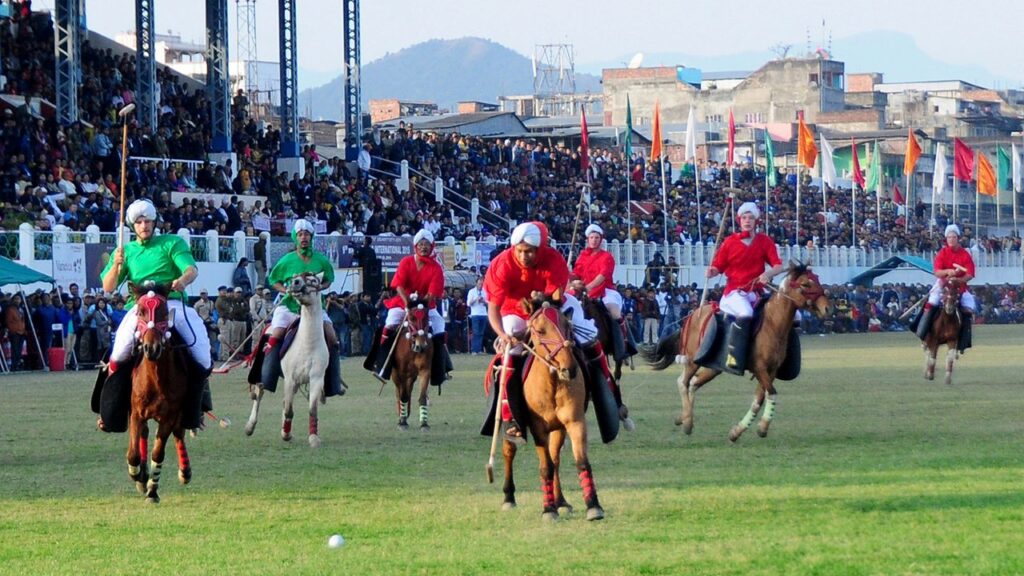
Manipur claims, with strong historical evidence, to be the birthplace of polo — the sport was played by Meitei horsemen for centuries before British officers stationed in Imphal adopted and codified it in the 19th century. The Imphal polo ground is one of the oldest in the world, and local polo matches are still held here during the winter season.
- Historical claim as birthplace of polo — well-documented in colonial-era accounts
- Winter polo matches — inquire with Manipur Tourism for current schedules
- The polo ground is also used for Imphal’s major public events and festivals
8. Iskcon Temple
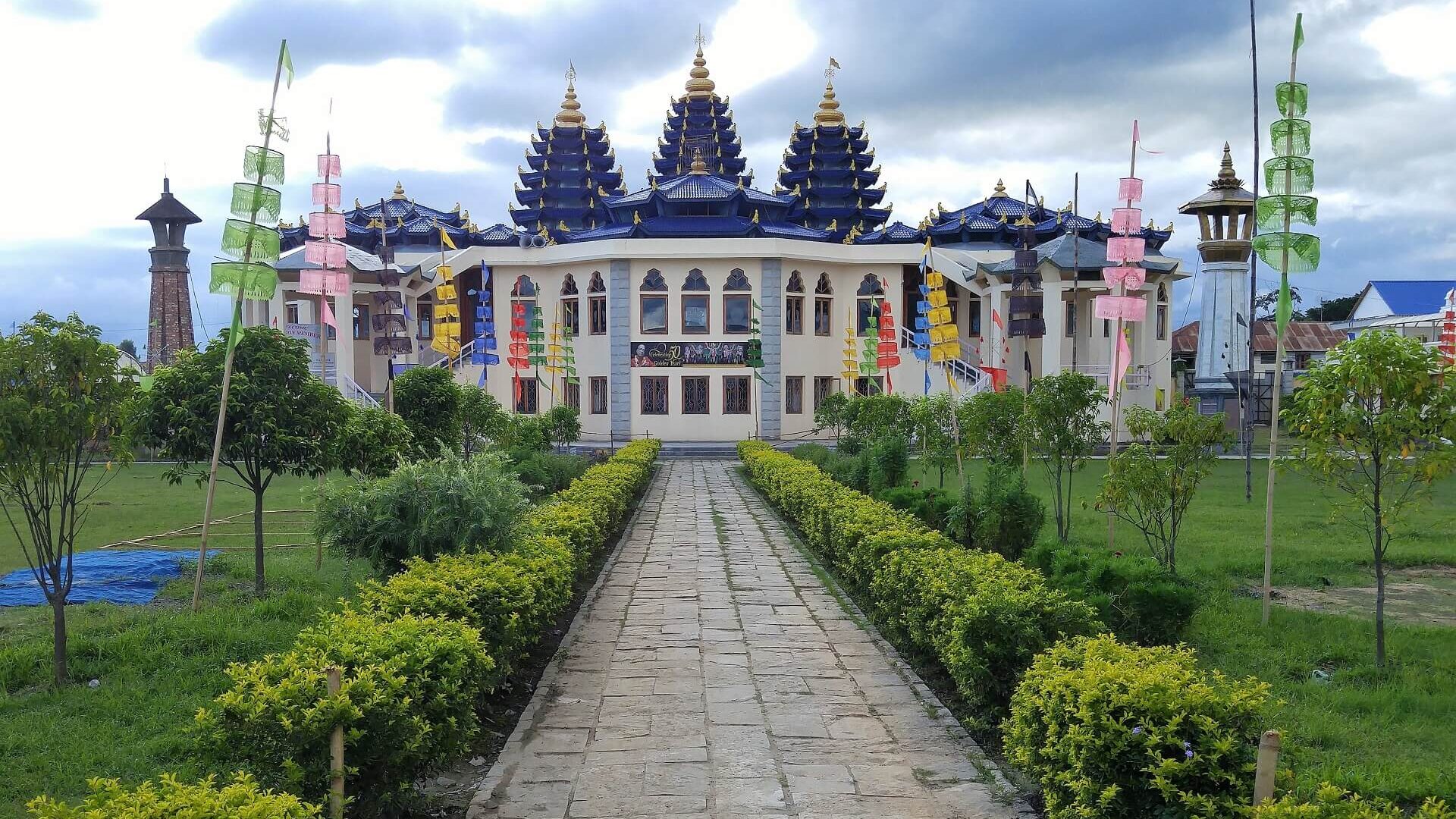
ISKCON Temple, Imphal, located in the city’s serene suburbs, is a prominent Vaishnavite shrine dedicated to Lord Krishna and Radha. Established in the 1970s, the temple reflects Manipur’s deep-rooted Gaudiya Vaishnavism tradition — a faith embraced by the Meitei kingdom in the 18th century — and serves as both a spiritual center and cultural hub for devotional music, festivals, and community gatherings.
- A major center of Gaudiya Vaishnavism in Manipur since the 18th century
- Dedicated to Lord Krishna and Radha, with daily aarti and kirtan ceremonies
- Janmashtami and Rath Yatra celebrations draw large crowds each year
- A peaceful stop for visitors seeking spiritual insight into Manipur’s Vaishnav heritage — modest dress recommended
Manipuri Food — What to Eat in Imphal
Essential Dishes
- Eromba — Manipur’s most distinctive everyday dish — a fermented fish (ngari) based preparation with boiled vegetables and chilies, mashed together; the smell is strong, the taste is extraordinary
- Singju — A Meitei salad of finely shredded raw vegetables (bamboo shoot, lotus stem, cabbage) with fermented fish and chilies; one of the finest salads in Indian cuisine
- Kangshoi — A simple watery stew of seasonal vegetables; deceptively subtle and deeply comforting
- Chamthong (Ooti) — Thick vegetable stew with dried fish; a winter staple in Meitei homes
- Ngari — Fermented fish — the foundational flavouring ingredient of Meitei cuisine; pungent, umami-rich, irreplaceable
- Chak-hao Kheer — Black rice pudding; Manipur’s famous purple rice cooked with milk and sugar — the colour is startling and the flavour is exceptional
- Yu (Rice beer) — Traditional Meitei fermented rice drink; served warm or at room temperature
Recommended Restaurants
- Classic Hotel Restaurant — The most reliable Meitei food in central Imphal; eromba, singju, and kangshoi all excellent
- Ima Keithel area food stalls — The most authentic eating in Imphal; market women’s food stalls serve genuine home-style Meitei cooking at very low prices
- Hotel Imphal restaurant — Good Manipuri and Indian options; reliable for first-time visitors to Meitei cuisine
- Local tea shops (chai ghar) — The social hubs of Imphal; strong tea, local snacks, and the best people-watching in the city
Manipuri Cultural Performances
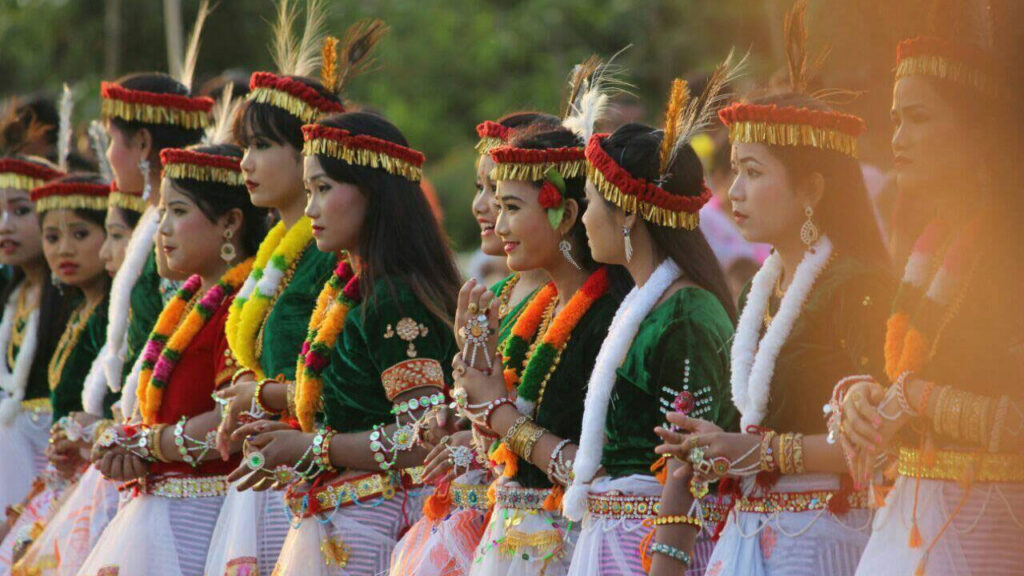
- Manipuri classical dance (Ras Lila) — Year-round performances at Govindajee Temple, Jawaharlal Nehru Manipur Dance Academy (JNMDA), and cultural centres; check schedules with Manipur Tourism
- Pung Cholom — The dramatic drum dance of the male Manipuri classical tradition; the double-headed pung drum is played while the performer executes increasingly complex acrobatic movements
- Thang-Ta demonstration — Traditional Meitei martial art; performance demonstrations available through cultural centres and during festivals
- Yaoshang Festival (February–March) — Manipuri Holi, but distinct from the pan-Indian version; Thabal Chongba (moonlit community dance) is one of the most joyful public celebrations in Northeast India
Where to Stay in Imphal
- Hotel Classic Grande — The most consistently recommended property in Imphal; central location; reliable service; ₹4,000–₹7,000
- Hotel Imphal — Well-established mid-range option; central location; ₹2,500–₹4,500
- Citius Hotel — Good value mid-range; popular with business travelers; ₹2,000–₹3,500
- Budget guesthouses — Available throughout the city centre; ₹700–₹2,000
- Homestays — Available with Meitei families through Manipur Tourism; the most culturally immersive option
How to Reach Imphal
By Air
- Imphal International Airport — well connected to Delhi, Kolkata, Guwahati, Aizawl, Agartala, and other Northeast cities
- IndiGo, Air India, and SpiceJet operate regular services
- Taxi from airport to city centre: approximately 20 minutes; ₹300–₹500
By Road
- NH2 from Kohima (Nagaland): 140 km; approximately 5–6 hours
- NH37 from Jiribam (rail connection point): 225 km; 8–9 hours through mountainous terrain
- NH102 from Silchar (Assam via Jiribam): longer route
No Rail Connection
- Imphal currently has no rail connection — the Jiribam–Imphal railway line is under construction and not yet operational
- Most travelers fly to Imphal or arrive via NH2 from Kohima
ILP for Manipur — Essential Information
All Indian nationals require an Inner Line Permit to enter Manipur. Foreign nationals require a Protected Area Permit (PAP).
- Online: Apply at Manipur Inner Line Permit (ILP) — processing typically within 24–48 hours
- In person: Manipur House offices in Delhi, Guwahati, Kolkata, and Shillong
- At border checkpoints: ILP can sometimes be obtained at checkpoints but this is unreliable — apply in advance
- Duration: Single-entry ILP valid for 30 days; extendable
Also Read: How to Apply For Travel Permits for Traveling to Northeast India
Best Time to Visit Imphal
- October to February: Best overall; cool and clear; Ras Lila festival (October–November); WWII anniversary observances (November)
- February to March: Yaoshang festival (Manipuri Holi); vibrant cultural calendar; pleasant temperatures
- April to May: Warm; pre-monsoon; Shirui Lily season in Ukhrul (day trip possible)
- June to September: Monsoon; heavy rain; some roads affected; less ideal for travel
Sample 3-Day Imphal Itinerary
- Day 1 — Heart of the City: Morning Ima Keithel market (8–10 AM); Kangla Fort (2–3 hours); Govindajee Temple; Imphal War Cemetery; evening Manipuri classical dance performance
- Day 2 — Loktak Lake Day Trip: Early departure for Loktak (48 km); dawn phumdi boat tour; Keibul Lamjao watchtower; INA Memorial at Moirang; return to Imphal by evening
- Day 3 — Culture & History: Manipur State Museum; Khongjom War Memorial (47 km); polo ground; Sekta archaeological site; evening at local restaurants for Meitei dinner
Also Read: Best Time to Visit Northeast India — Month-by-Month Guide
