




Most travelers arrive in Northeast India with the right instinct — slow down, be flexible, don’t overplan — and then build an itinerary that ignores all three. They try to cover five states in eight days, underestimate road times by half, and forget that four of the eight states require permits applied for before arrival.
This guide gives you three complete, immediately actionable Northeast India itineraries — 7, 10, and 15 days — built around how the Northeast actually works, not how you wish it did.
Before You Plan: Four Rules That Change Everything
- Guwahati is your hub. Every itinerary in this guide starts and ends here. It is the only well-connected air hub for the entire region, with direct flights from Delhi, Kolkata, and Mumbai. Do not try to enter through a secondary airport without checking connections carefully.
- Permits take time. Four states — Nagaland, Manipur, Mizoram, and Arunachal Pradesh — require an Inner Line Permit (ILP) for Indian citizens, and a Protected Area Permit (PAP) for foreign nationals. These must be applied for before you enter. Nagaland ILPs can be processed in 24 hours from Guwahati’s Nagaland House, which is your practical window for the 7-day itinerary. For others, apply online at least one week before departure.
- Think in hours, not kilometres. Northeast India’s mountain roads average 25–40 km/h. A 150 km drive here is a 5-hour drive. Distance means nothing; time means everything. Every itinerary below is planned in travel hours.
- Use the hub-and-spoke model. Base yourself in two or three cities and take day trips. Changing accommodation every night on mountain roads is a fast way to spend your entire trip in a car.
7-Day Northeast India Itinerary — The First-Timer Route
Route: Guwahati → Kaziranga → Kohima → Guwahati
Theme: Wildlife and culture — the Northeast’s two most accessible and rewarding dimensions
This is the route that justifies the trip for a first-timer. Two anchor experiences — Kaziranga National Park and Kohima — that are genuinely unlike anywhere else in India, connected without requiring permits beyond Nagaland and manageable within a working week of leave.
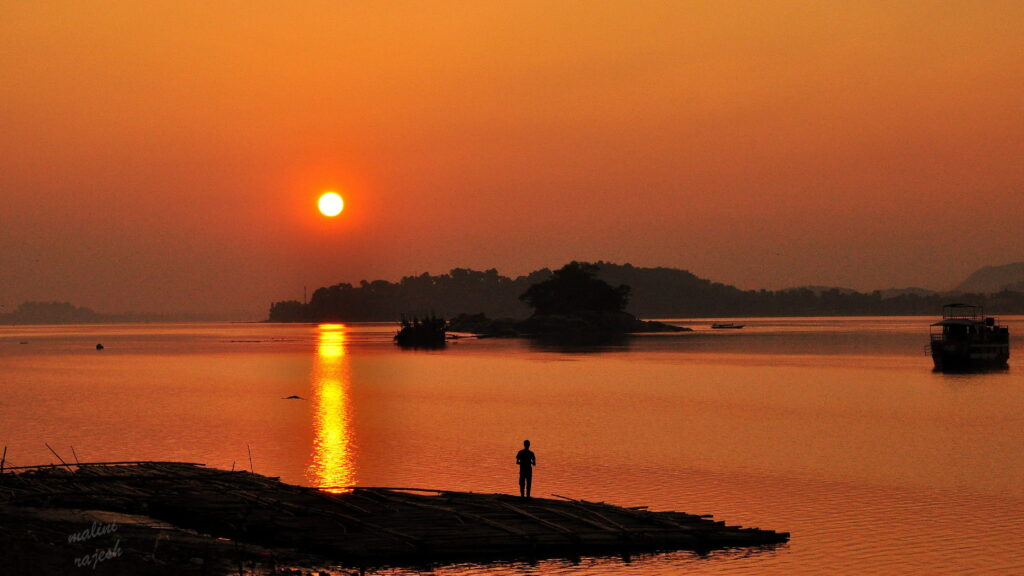
Day 1 — Guwahati Arrive and get moving on logistics immediately. Submit your Nagaland ILP application at Nagaland House (or online) today — a Day 1 submission means Day 2 collection. Afternoon at Kamakhya Temple on the hill above the city, then down to the Brahmaputra ghats for the Umananda Island ferry and an evening on the river. The Brahmaputra at dusk, with the hills of Meghalaya on the far bank, is the first indication that you are somewhere different. Overnight Guwahati.
Day 2 — Drive to Kaziranga Collect your Nagaland ILP in the morning. Drive to Kaziranga (217 km, approximately 5 hours on NH37). This is a long driving day but the road through the Assam plains is straightforward. Arrive mid-afternoon, check in, and arrange your jeep safari for the following morning. Wild Grass Resort and Iora The Retreat are the benchmark properties in Kohora range; book the jeep safari through your hotel. Evening in the buffer zone. Overnight Kaziranga.
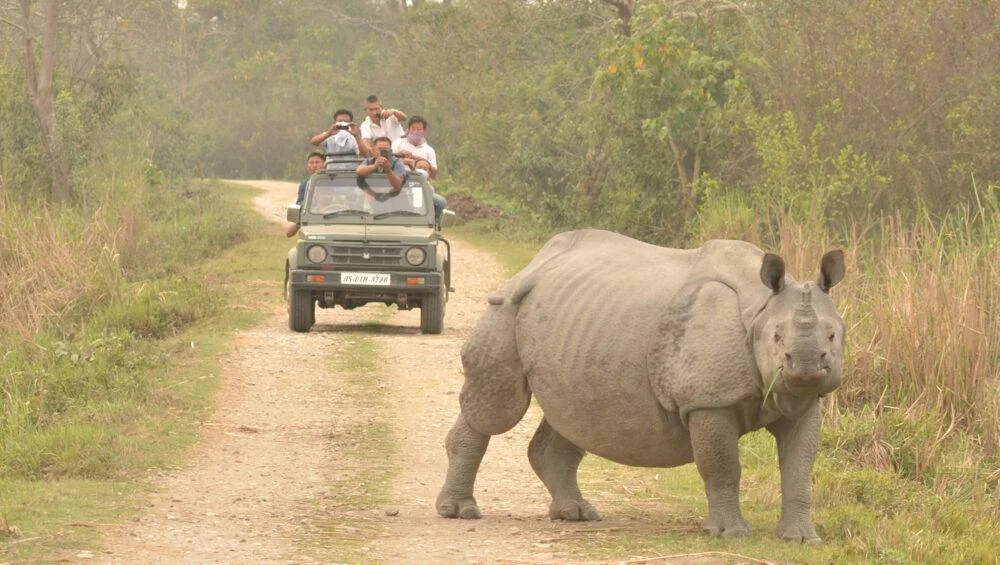
Day 3 — Kaziranga Safaris The alarm goes at 5 AM. Morning jeep safari in the Central Range — this is the highest-density zone for the Indian one-horned rhinoceros, and the Central Range is where most travelers see their first rhino within ten minutes of entering the park. Return by 8 AM for breakfast, then the elephant safari mid-morning. Afternoon: rest or an optional second jeep in the Eastern Range, which carries the best probability of tiger sightings. Overnight Kaziranga.
Day 4 — Kaziranga to Kohima Drive or fly to Dimapur (4 hours by road, or 40 minutes by air from Jorhat if you pre-booked), then the steep climb from Dimapur to Kohima (74 km, 2.5–3 hours on NH29). The road rises 1,400 metres through dense forest. Arrive Kohima by late afternoon. Walk the Kohima War Cemetery before sunset — the immaculate WWII memorial above the town, where the gravestones look down over the valley that was fought over in 1944 in one of the decisive battles of the Burma campaign. Overnight Kohima, Hotel Japfu or similar.
Day 5 — Kohima: Festival or Valley Two options depending on your dates. If you are here December 1–10: go to Hornbill Festival at Kisama Heritage Village, 12 km outside Kohima. Sixteen Naga tribes in full traditional dress, warrior dances, indigenous games, and wood-carving competitions. Arrive early — by 8 AM — to beat the midday crowds. This is the single greatest cultural day available anywhere in the Northeast.
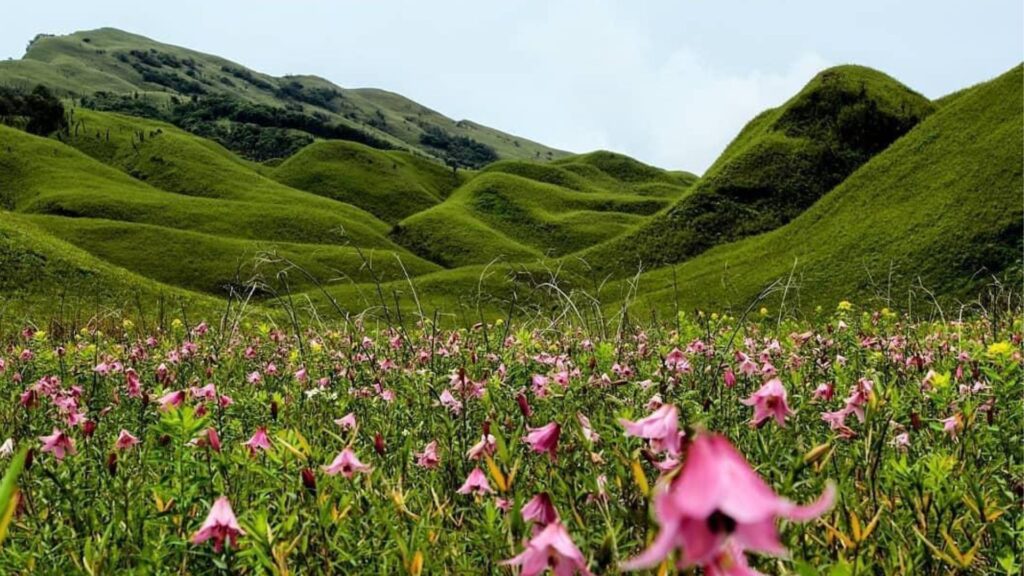
If you are here in any other month: Dzükou Valley trek from the Viswema trailhead (20 km south of Kohima). The 7 km trail climbs through pine forest to a high valley — open grassland, wildflowers, complete silence — before returning the same day. Allow 6–7 hours. Dinner at Dzükou Tribal Kitchen in Kohima, the best introduction to Naga cuisine in the city. Overnight Kohima.
Day 6 — Kohima to Guwahati Morning walk through Kohima Village (Bara Basti) — the oldest Angami Naga village in the district, with traditional log drum houses and a still-functioning community structure. An hour at Kohima State Museum if time allows, covering all sixteen Naga tribes. Then the drive back to Dimapur and onward to Guwahati by flight or overnight bus. Overnight Guwahati.
Day 7 — Guwahati Departure Morning at Srimanta Shankardev Kalakshetra — the cultural complex dedicated to Assamese heritage, a genuinely excellent museum often missed by travelers in transit. Afternoon departure.
Honest assessment: Days 2 and 4 are long travel days. That is unavoidable and worth accepting. Do not attempt to add Shillong or Meghalaya to this itinerary — it becomes a blur of driving and you will shortchange both destinations.
10-Day Northeast India Itinerary — The Explorer Route
Route: Guwahati → Shillong → Cherrapunji → Kaziranga → Kohima → Guwahati Theme: Caves, waterfalls, wildlife, and tribal culture — the four pillars
Three extra days unlock Meghalaya, which is the single most visually dramatic state in the Northeast, and they allow two full days in Kaziranga rather than one. This is the itinerary that most completely represents what the region offers a first-time visitor.
Days 1–2 — Guwahati and Permits Day 1: Arrive, Kamakhya Temple, Brahmaputra, ILP submission. Day 2: Collect ILP, Shankardev Kalakshetra, then drive to Shillong (100 km, 3 hours). Shillong sits at 1,500 metres with a hill-station character unlike anywhere else in the Northeast — the architecture and the music scene carry an odd echo of a Scottish town that has been fully, enthusiastically Khasi for generations. Overnight Shillong.
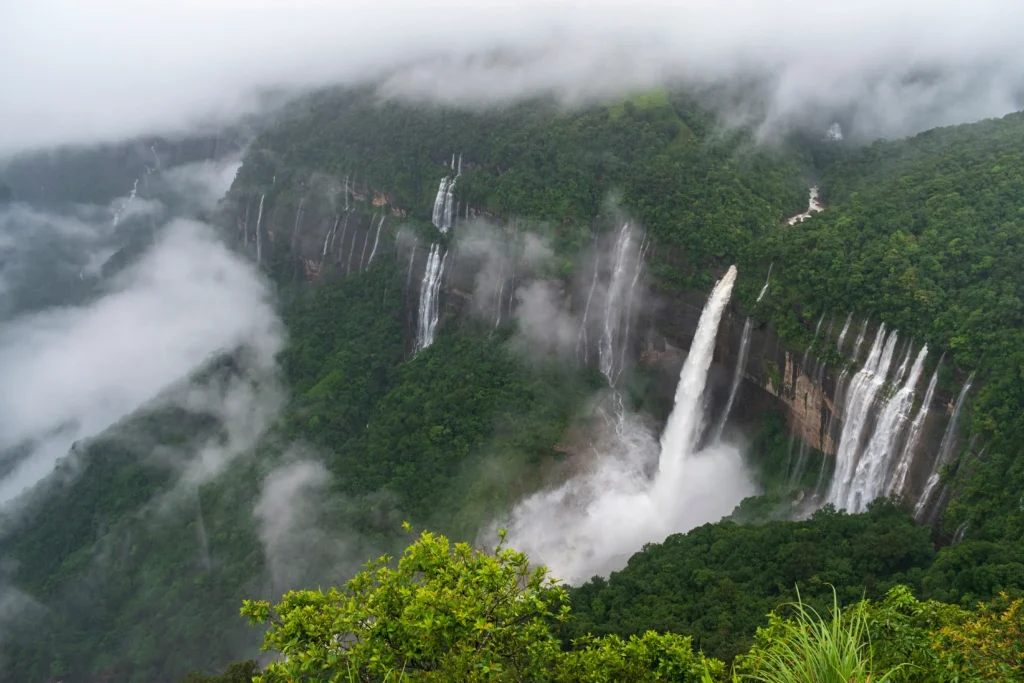
Days 3–4 — Meghalaya Day 3: Drive to Cherrapunji (54 km, 1.5 hours). En route, stop at Seven Sisters Falls — seven cascades dropping in parallel off the plateau edge. In Cherrapunji, Nohkalikai Falls: at 340 metres, the tallest plunge waterfall in India, launching off the plateau into a green pool that looks impossible from above. Overnight Cherrapunji.
Day 4 is the full-day Nongriat trek — the living root bridges. A steep 3,500-step descent from the village of Tyrna to Nongriat, where the Khasi community has trained rubber tree roots across streams over two and three generations to form living bridges that grow stronger every year. The double-decker bridge at Nongriat is the photograph everyone takes; the surrounding forest and the smaller single bridges are the experience. Allow 6–7 hours for the full return trek. Overnight Cherrapunji.
Day 5 — Meghalaya to Kaziranga Drive Cherrapunji to Guwahati (140 km, 3.5 hours), then continue to Kaziranga (217 km, 5 hours). This is the longest day of the itinerary. Consider an overnight near Furkating if arriving too late for a comfortable check-in.
Days 6–7 — Kaziranga Two full days — the itinerary that Kaziranga deserves. Day 6: Central Range morning safari and elephant safari. Day 7: Eastern Range morning safari (tiger probability higher here) and an afternoon watchtower session to close. Overnight Kaziranga both nights, driving toward Dimapur on Day 7’s evening.
Days 8–9 — Nagaland Day 8: Dimapur to Kohima, War Cemetery, Battle of Kohima Museum. Day 9: Dzükou Valley trek or Hornbill Festival. These two days mirror the 7-day itinerary’s Nagaland section — the same quality of experience, now without the time pressure of the shorter trip.
Day 10 — Return Kohima State Museum (abbreviated visit), drive to Dimapur, fly or drive to Guwahati. Departure.
15-Day Northeast India Itinerary — The Deep Dive
Two routes depending on your priorities. Choose one.
Option A — Nature and Landscapes
Route: Guwahati → Kaziranga → Majuli → Kohima → Gangtok → Pelling → NJP/Bagdogra
This is the more logistically straightforward 15-day route and the one recommended for first-timers doing the longer duration.
Days 1–2 are Guwahati and permit processing. Days 3–4 are Kaziranga’s full safari programme. Day 5 is the drive to Jorhat and the Brahmaputra ferry to Majuli — India’s largest river island, mid-stream in the Brahmaputra, populated by Vaishnavite monasteries called Sattras and by the Mishing tribe. Days 6–7 on Majuli: sattra visits, cycling the island’s flat interior, Mishing village homestay. This is slow travel — no mountain roads, no permit queues, just the island and the river. Day 8: ferry back to Jorhat, fly Jorhat to Bagdogra or Dimapur depending on routing.
Days 9–10 are Kohima — War Cemetery, Dzükou Valley overnight (the valley floor has basic shelters; an overnight gives the sunrise and the evening silence that a day trip misses). Day 11: Dimapur to Bagdogra by air, drive to Gangtok (125 km, 4 hours).
Days 12–13 in Sikkim: Gangtok as base, Tsomgo Lake day trip, permit processing for North Sikkim or Pelling. Day 14: Pelling, for Pemayangtse Monastery and the single best accessible view of Kangchenjunga in India — the third-highest mountain in the world, visible from the monastery courtyard on clear mornings. Day 15: Pelling to NJP/Bagdogra, departure.
Option B — Culture and Tribes
Route: Guwahati → Meghalaya → Kaziranga → Kohima → Mon District → Imphal → Aizawl → Guwahati
This route is more demanding — multiple flights, multiple ILPs, and the Mon District drive — but it delivers a depth of tribal cultural experience unavailable on any other Northeast India itinerary.
Days 1–2: Guwahati, with ILP applications for both Nagaland and Manipur submitted immediately. Days 3–4: Meghalaya (Shillong and Cherrapunji as in the 10-day route). Days 5–6: Kaziranga. Days 7–8: Kohima.
Day 9 is the commitment day: the drive from Kohima to Mon District (340 km, 10–12 hours). Mon is the home of the Konyak Naga — the tribe with the deepest headhunting legacy, whose elders still carry facial tattoos and brass head pendants that record their history. This drive is long and the road is unrelenting. It is worth it.
Day 10 in Mon: Longwa Village, which straddles the India-Myanmar border — the village chief’s house is split between two countries. Interaction with Konyak elders here is one of the most arresting cultural encounters available anywhere in India. Drive back toward Dimapur. Day 11: fly from Dimapur to Imphal.
Days 12–13: Imphal — Kangla Fort (the ancient royal capital), Ima Keithel (the world’s largest all-women market), and the Imphal War Cemetery. Day trip to Loktak Lake, the floating islands of Phumdi and the Keibul Lamjao National Park, the only floating national park on earth.
Day 14: fly Imphal to Aizawl, Mizoram. Afternoon in Aizawl — the city climbs vertically up a ridge, its houses stacked on near-vertical slopes, its people among the most welcoming in India. If your dates fall in the first week of March, this is Chapchar Kut — Mizoram’s greatest festival. Day 15: Reiek Heritage Village or Durtlang Hills, then fly to Guwahati or Kolkata.
What to Skip on a Short Trip
Skip Shillong city on 7 days. Without Cherrapunji and the root bridges, Shillong alone does not justify the detour. Go straight to Cherrapunji.
Skip Tawang on anything under 12 days. The Tawang circuit requires a minimum 5-day commitment from Guwahati — two days of driving each way. Truncating it wastes the journey.
Skip North Sikkim on less than 3 nights in Gangtok. The permit takes 24 hours and North Sikkim needs 2 full days minimum. Squeezing it into a single day is a logistical ordeal that delivers half the experience.
Skip Majuli in monsoon season. July to September ferry crossings can be disrupted by the Brahmaputra’s flood stage. If your dates fall in this window, Majuli is a genuine risk — remove it and recallocate the days.
Booking Timeline
8–12 weeks before: Flights — Guwahati in and out, plus any inter-state legs. Hornbill Festival accommodation in Nagaland if your dates are December 1–10. These sell out first and earliest.
4–6 weeks before: ILP applications online for all required states. Kaziranga jeep safari slots (Central Range books fastest). Goecha La or Dzükou Valley trek operators if trekking is in the plan.
2–3 weeks before: Confirm all hotel bookings. Book Majuli homestay or guesthouse directly (no aggregator coverage). Arrange North Sikkim tour operator.
1 week before: Download offline maps — Google Maps works; OsmAnd is recommended for areas without signal, which is most of the remote Northeast. Print ILP copies. Inform all accommodations of your expected arrival time, especially for mountain-road evenings where delays are routine.
The Northeast rewards the traveler who has sorted the logistics before boarding the first flight. Everything after that is the experience.
