




There is a flower that grows in only one place in the world. The Shirui Lily (Lilium mackliniae) — a pale pink-to-white bell-shaped flower of extraordinary delicacy — blooms on a single hill range in Ukhrul district of Manipur, at elevations between 2,400 and 3,000 metres, from late May through June. It grows nowhere else in the wild. It has never successfully been cultivated to reproduce outside its native habitat. The hill on which it grows — Shirui Kashong Kashong, at 2,835 metres — is one of the most ecologically unique sites in India, and the flower has been declared Manipur’s state flower.
The Shirui Hills are not merely about the lily. Ukhrul district, in the northeastern corner of Manipur along the Myanmar border, is the homeland of the Tangkhul Naga — one of the most artistically and culturally rich of Nagaland and Manipur’s Naga communities, known for their extraordinary weaving traditions, their love of music, and their village festivals of remarkable colour. The combination of ecological singularity and cultural depth makes a visit to the Shirui Hills one of the most rewarding experiences available in Manipur.
Quick Facts About Shirui Hills
| State | Manipur |
| District | Ukhrul |
| Peak Altitude | 2,835 metres (Shirui Kashong Kashong) |
| Distance from Imphal | 84 km; approximately 3 hours by road |
| Distance from Ukhrul town | 10 km; approximately 30 minutes |
| Lily Bloom Season | Late May to late June; peak usually second week of June |
| ILP Required | Yes — Manipur ILP covers Ukhrul district |
| Festival | Shirui Lily Festival (June): annual celebration in Ukhrul during bloom season |
| Best Time | May to June (lily season); October to December (clear skies, cultural festivals) |
| Notable People | Tangkhul Naga; hometown of former Chief of Army Staff General B.C. Joshi |
The Shirui Lily — The World’s Most Location-Specific Wildflower
The Plant
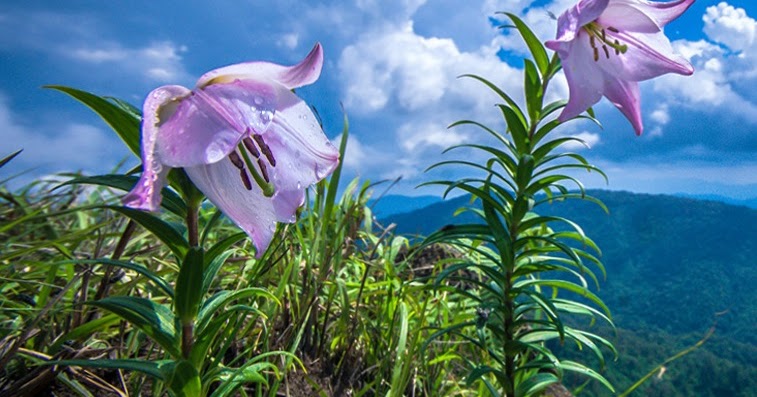
Lilium mackliniae — the Shirui Lily — was first described to Western botany by Frank Kingdon-Ward, the British plant hunter who discovered it on an expedition in 1946 and named it after his wife Jean Macklin. Kingdon-Ward described the discovery as one of the most significant botanical finds of his career — a lily species growing in an isolated high-altitude habitat, unlike any other in the genus.
Flower: Bell-shaped, nodding downward, pale pink to white with purple streaks on the inside; approximately 6–8 cm long; growing on stems 60–90 cm tall.
Habitat: The lily grows in the mossy, grassy slopes between 2,400 and 3,000 metres on the Shirui range — a very specific ecological niche of high humidity, cool temperatures, and well-drained acidic soil that does not exist anywhere else in combination.
Conservation status: Vulnerable (IUCN). The lily population is threatened by habitat disturbance, over-collection, and climate change-driven shifts in the flowering microclimate. The designation of the Shirui Lily National Park (in process) aims to formalize protection of the habitat.
Why it grows only here: The specific combination of altitude, soil chemistry, humidity pattern, and temperature regime on the Shirui range — shaped by the unique position between the humid Myanmar border climate and the drier Manipur valley — creates a habitat that the lily has evolved to exclusively occupy over geological time.
| The single most important rule at Shirui Hills: do not pick the Shirui Lily. It is illegal, ecologically damaging, and culturally offensive to the Tangkhul Naga community who regard it as sacred. Photograph it, marvel at it, but leave it exactly where it grows. |
The Lily Season — Month by Month
- Late May: First blooms emerge on the upper slopes; scattered; the beginning of colour
- Early June: Bloom intensifying; more widespread coverage; the trek is increasingly rewarding
- Second week of June: Typically the peak — the upper slopes of Shirui Kashong Kashong carpeted in pink-white bell flowers; the finest photography window
- Late June: Blooms beginning to fade; some still present; colours changing as flowers mature
- July onwards: Bloom over; the hills return to green; monsoon intensifies
The Shirui Lily Festival
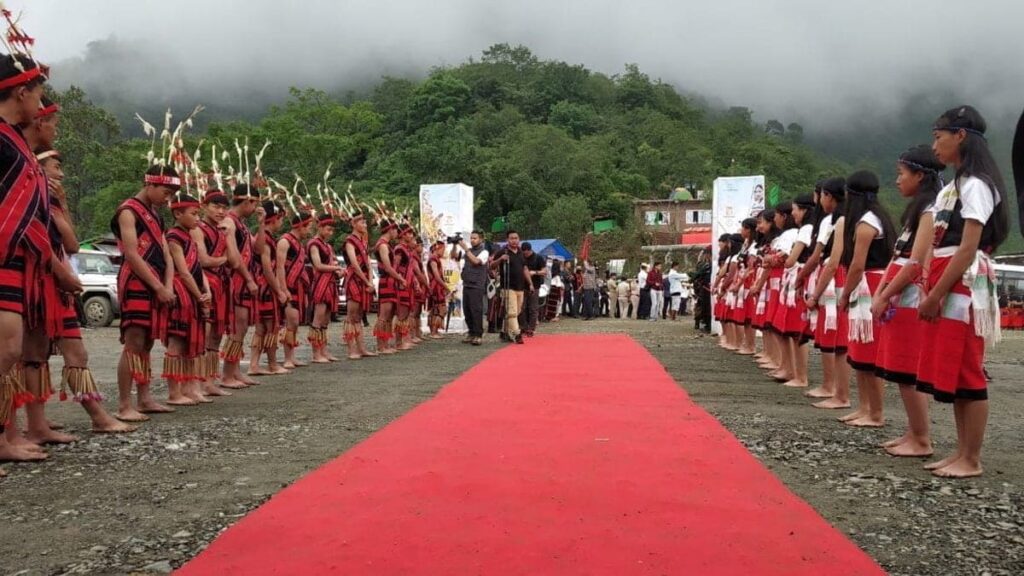
The Shirui Lily Festival, held annually in Ukhrul during the lily bloom season (typically the last week of May or first week of June), is Manipur Tourism’s celebration of both the lily and the broader Tangkhul Naga cultural tradition. The festival features traditional Tangkhul music and dance performances, local cuisine, handicraft exhibitions, and guided treks to the Shirui range to observe the lily in bloom.
- Held annually in Ukhrul town and on the Shirui range — exact dates follow the bloom
- Cultural performances: Tangkhul traditional music (guitar, bamboo instruments), Chaga dance
- Handicraft market: Tangkhul weaving, pottery, bamboo craft
- Guided lily-viewing treks organized through the festival; recommended over independent access
The Tangkhul Naga — People of the Shirui Hills
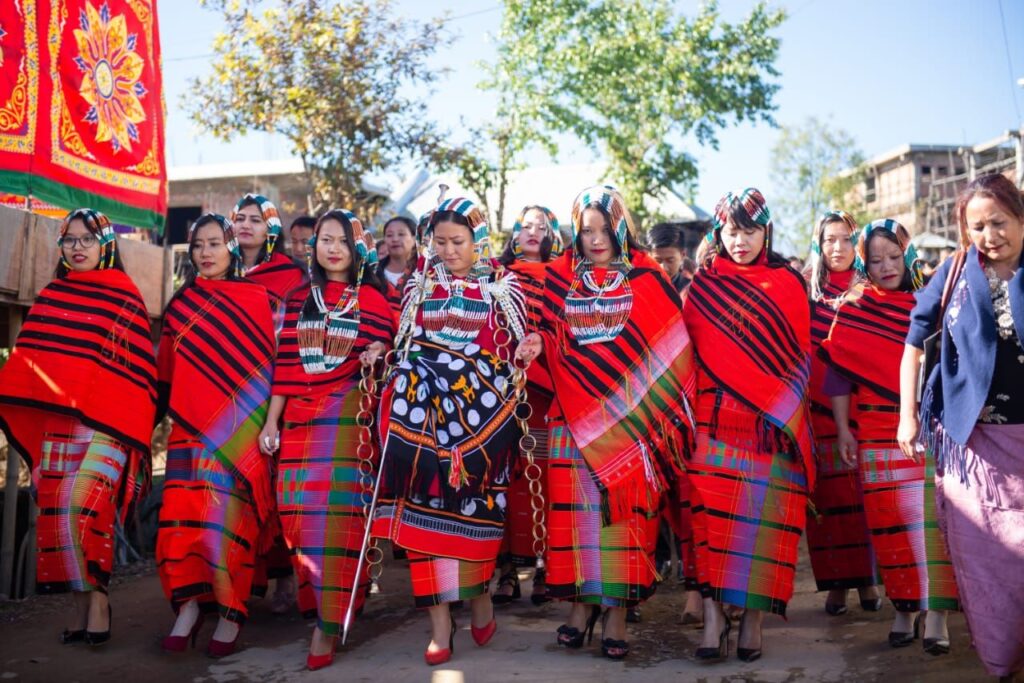
The Tangkhul Naga are one of Manipur’s most numerous tribal communities, inhabiting primarily the Ukhrul district in the northeast of the state. The Tangkhul are a culturally dynamic community — their weaving tradition produces some of the finest textiles in the Northeast, their choral singing tradition is internationally celebrated, and their village community structures maintain a vibrancy that has survived both colonial disruption and modern pressures.
Weaving tradition: Tangkhul weaving is distinctive for its geometric patterns worked in deep reds, blacks, and whites — the colours of the shawls carry social meaning, with different patterns indicating age, status, and community affiliation. Purchasing a Tangkhul shawl directly from a village weaver in Ukhrul is one of the finest craft-buying experiences in Manipur.
Music: The Tangkhul have an extraordinary choral tradition — their four-part harmony singing, influenced by Christian mission education in the 19th century but incorporating pre-existing musical structures, produces performances of remarkable beauty. The Tangkhul Shanao (cultural organisation) actively promotes this tradition.
Village festivals: Tangkhul village festivals — particularly the Luira Phanit (spring festival) and the Chagah (harvest festival) — are community celebrations of agricultural cycles and cultural identity. They are not staged for tourists; visitors who attend with local guides and the right introduction are welcomed as guests.
Top Attractions in & Around Shirui Hills
1. The Shirui Lily Trek
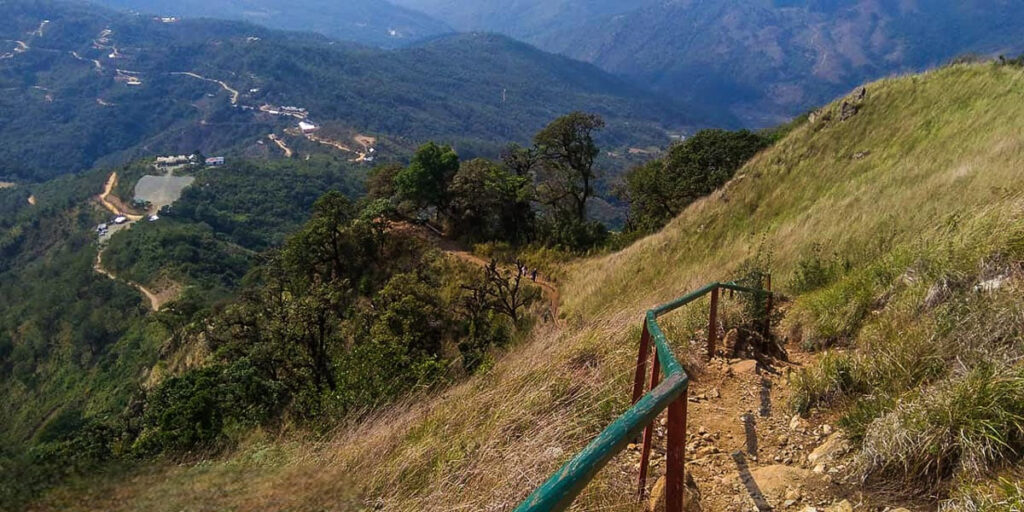
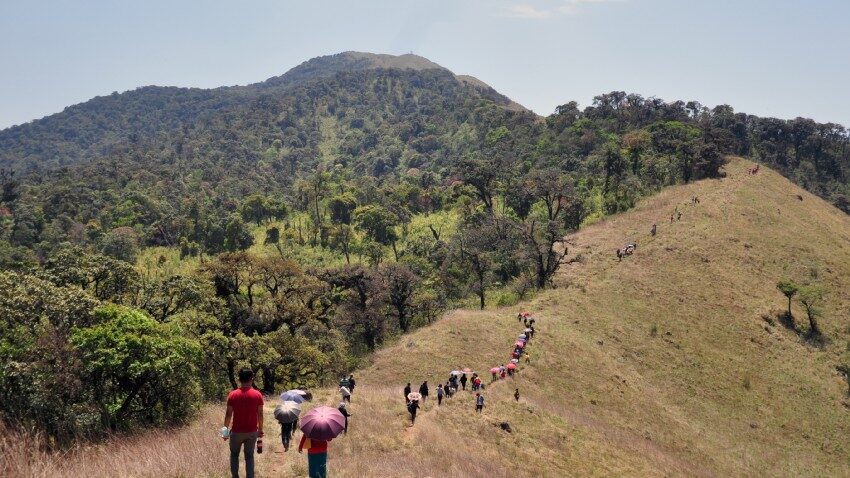
The primary experience at Shirui Hills is the trek to the lily-bearing slopes of Shirui Kashong Kashong. The trail begins from a trailhead approximately 10 km from Ukhrul town and climbs through forest and grassland to the upper slopes where the lily grows.
- Distance: Approximately 5–7 km to the best lily slopes; 10–14 km return
- Difficulty: Moderate; sustained ascent; manageable for reasonably fit walkers
- Duration: 4–6 hours return; allow a full day
- Guide: Local guides from Ukhrul are essential — they know the best lily concentrations and ensure ecological sensitivity
- Best time of day: Start by 7 AM to be on the upper slopes during the clearest mid-morning light
2. Ukhrul Town
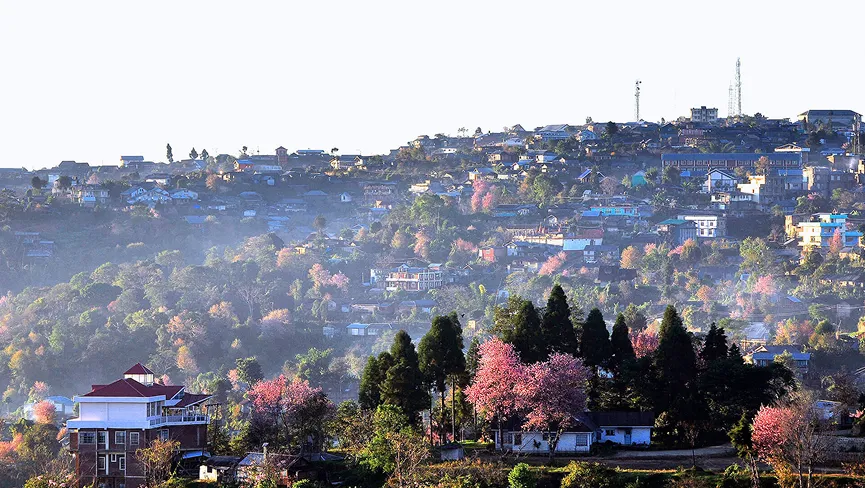
Ukhrul town, the district headquarters, is a pleasant, quiet Naga hill town at approximately 1,800 metres — clean, organised, and with a strong sense of community identity. The town market sells Tangkhul handicrafts, fresh produce from the hill farms, and the unique local pottery. The weekly market day draws villagers from across the district.
- Ukhrul market: excellent for Tangkhul textiles, local produce, and community atmosphere
- Ukhrul Baptist Church: one of the largest and most architecturally notable churches in Manipur
- Ukhrul is the starting point for the Dzuko Valley connection to Nagaland (a multi-day trek)
3. Nillai Tea Estate
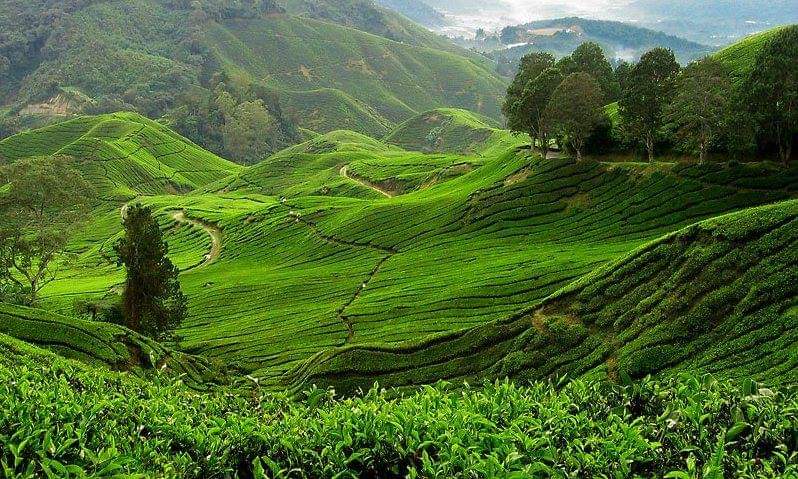
The Nillai Tea Estate, near Ukhrul, is one of the highest-altitude tea estates in India — producing teas in a high-altitude environment that gives the leaf a distinctive character. The estate welcomes visitors for tours and tastings, and the landscape of tea bushes against the Shirui Hills is genuinely beautiful.
- High-altitude Manipur tea with distinct flavour characteristics
- Estate tours available; combine with a Shirui Hills visit
- The tea landscape at this altitude is rare and photogenic
4. Khangkhui Cave
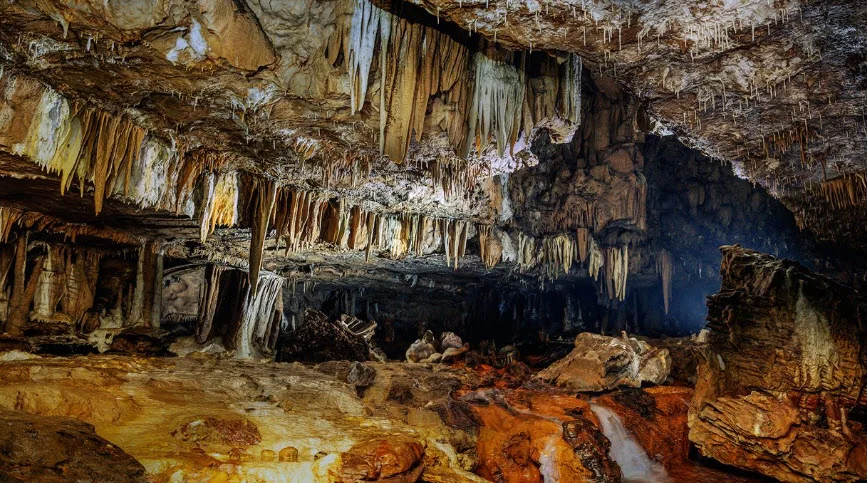
Khangkhui Cave (or Khangkhui Mangsor Cave), approximately 10 km from Ukhrul, is the most significant natural cave in Manipur — a large limestone cavern of impressive scale with stalactites, stalagmites, and an underground stream. The cave was used as a hideout during both the Anglo-Manipuri War and the WWII Japanese occupation. Local guides are available at the cave entrance.
- Largest natural cave in Manipur — impressive stalactite and stalagmite formations
- WWII historical connection — used as shelter during the Japanese occupation
- Local guides available at entrance; bring a torch
- 10 km from Ukhrul; combine with a Shirui Hills day
5. Kachouphung Lake & Surrounding Landscape
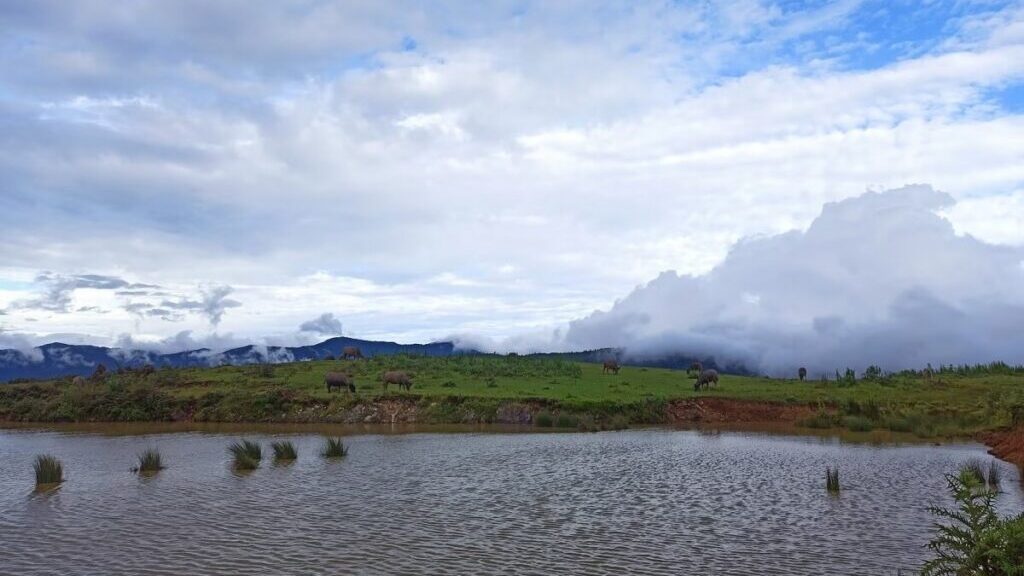
The Kachouphung Lake area near Ukhrul offers beautiful highland lake scenery surrounded by pine and oak forest — a peaceful alternative to the main lily trek for travelers who prefer a gentler landscape experience. The lake is a local recreational and sacred site with good birdwatching in the early morning.
6. Village Homestay Cultural Experience
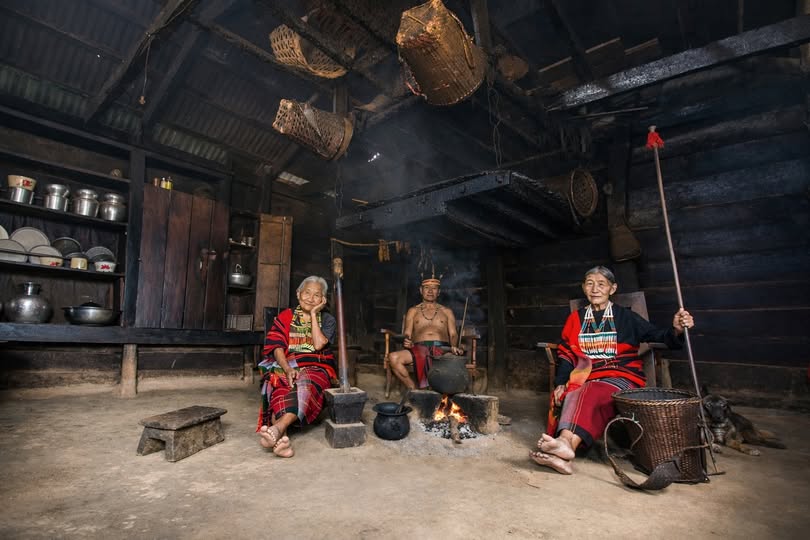
Several villages in the Ukhrul district offer homestay experiences with Tangkhul families — an opportunity to experience the community’s daily rhythms, their food traditions, their weaving culture, and their remarkable choral singing in a genuinely domestic rather than staged setting. Arrange through the Ukhrul Tourism Office or local contacts.
Top Things to Do at Shirui Hills
- Shirui Lily Trek (May–June) — The centrepiece of any Shirui Hills visit; full day; early departure essential
- Shirui Lily Festival attendance — Cultural performances, traditional food, and guided lily treks in one event
- Tangkhul textile shopping — Ukhrul market and village weavers; authentic, fair-priced, and directly beneficial
- Khangkhui Cave exploration — Half-day; historical and geological interest
- Village cultural evening — Arrange through local contacts; Tangkhul choral music performance; one of Manipur’s most distinctive cultural experiences
- Nillai Tea Estate tasting — Morning; high-altitude tea from Manipur’s only significant tea district
Where to Eat & Stay in Ukhrul
- Ukhrul Circuit House — Government accommodation; the most reliable option in the district; book through the Deputy Commissioner’s office
- Hotel Shirui — The main private hotel in Ukhrul; basic but adequate; ₹800–₹1,800
- Village homestays — The best cultural experience; arranged through the tourism office; meals are home-cooked Tangkhul food
- Tangkhul food to try: Rice with smoked meat (particularly smoked pork), seasonal local vegetables, and the unique local fermented preparations
How to Reach Shirui Hills / Ukhrul
- From Imphal: 84 km on NH102 and State Highway to Ukhrul; approximately 3 hours by car. The road passes through beautiful Naga Hills scenery.
- By shared taxi: Shared vehicles from Imphal’s Keishampat junction to Ukhrul; departure throughout the morning.
- To the lily trailhead: 10 km from Ukhrul town by vehicle; arrange local taxi or motorcycle taxi from Ukhrul.
Travel Essentials for Shirui Hills
- Manipur Inner Line Permit (ILP) covers Ukhrul district — carry at all times
- Lily season (May–June): book accommodation 4–6 weeks in advance; Ukhrul fills during festival week
- Weather: Ukhrul at 1,800m is cool year-round; in June (lily season), carry warm layers and full waterproofs — this is the start of monsoon
- Trek: proper trekking boots essential; the upper slopes are often muddy and slippery in June
- Cash only — no ATMs in Ukhrul; withdraw from Imphal ATMs before departure
- Do not pick or damage the lily — illegal and ecologically catastrophic
Also Read: How to Apply For Travel Permits for Traveling to Northeast India
Best Time to Visit Shirui Hills
- Late May to late June: Lily season; the only time to see the bloom; monsoon beginning but typically manageable for trekking
- October to December: Clear skies; post-monsoon; cultural festival season; no lily but excellent walking conditions and cultural access
- March to April: Spring; pleasant temperatures; pre-lily; Luira Phanit (spring festival)
- July to September: Deep monsoon; heavy rain; roads can be difficult; not recommended
