




When the plains of India turn into a furnace every May and June, most people scramble for the usual suspects — Shimla, Manali, Mussoorie. They’re beautiful, no doubt, but they’re also crowded, expensive, and overrun by the time peak summer arrives. Meanwhile, a quieter, cooler, and frankly more spectacular set of hill stations sits largely unbothered in the far eastern corner of the country, waiting for the travellers who’ve done their homework.
The best hill stations in Northeast India aren’t just an escape from the heat. They’re a completely different kind of travel — where a weekend drive takes you past living root bridges, where the town below your hotel window belongs to a tribe that’s been there for centuries, and where the air at 1,500 metres smells of pine and monsoon cloud rather than exhaust. Whether you’re planning a quick long-weekend trip or a proper two-week summer expedition, this list has a hill station for every kind of traveller.
| Hill Station | State | Altitude | Summer Temperature |
|---|---|---|---|
| Shillong | Meghalaya | 1,496 m | 15–24°C |
| Gangtok | Sikkim | 1,650 m | 14–24°C |
| Tawang | Arunachal Pradesh | 3,048 m | 8–18°C |
| Cherrapunji | Meghalaya | 1,430 m | 12–20°C |
| Ziro Valley | Arunachal Pradesh | 1,564 m | 14–22°C |
| Kohima | Nagaland | 1,444 m | 15–22°C |
| Bomdila | Arunachal Pradesh | 2,415 m | 8–18°C |
| Haflong | Assam | 680 m | 18–25°C |
| Pelling | Sikkim | 2,150 m | 10–20°C |
| Aizawl | Mizoram | 1,132 m | 18–26°C |
1. Shillong, Meghalaya — The Scotland of the East
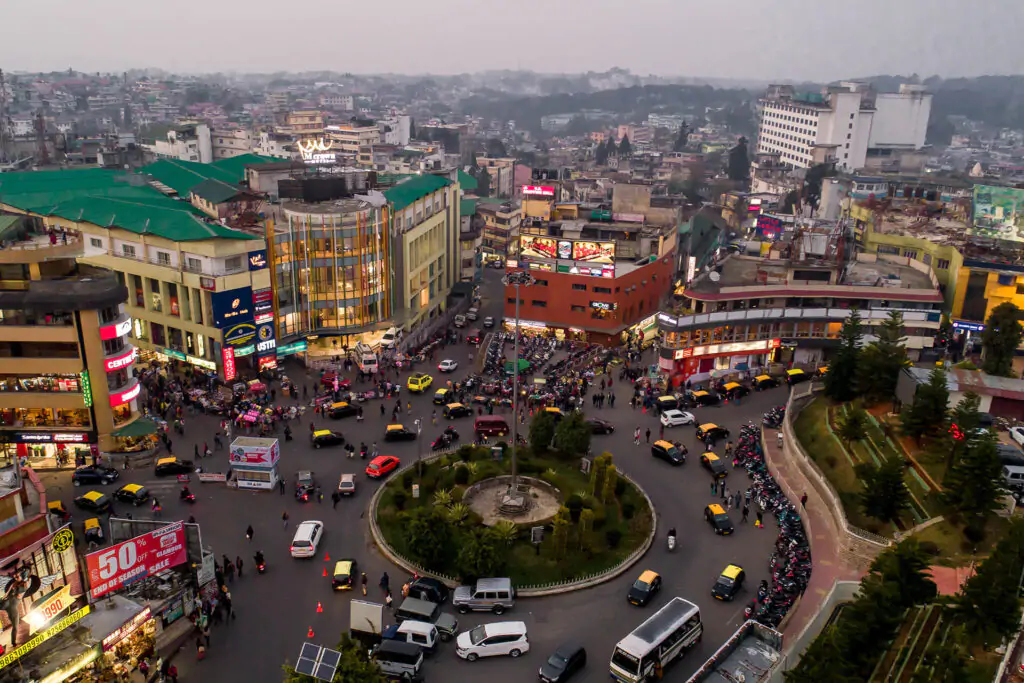
There’s a reason Shillong tops almost every list of hill stations in Northeast India: it earns the title consistently. Perched at 1,496 metres above sea level and blanketed in pine forests, the capital of Meghalaya was the summer headquarters of British India’s Assam province for good reason. Summers here hover between 15°C and 24°C — comfortably cool while the rest of India melts.
The city has a personality unlike any other hill station in India. It blends a distinctly Khasi cultural identity with a rock music scene that punches well above its altitude, colonial-era churches, and a café culture that feels more Bangalore than northeastern frontier town. On the nature side, Laitlum Canyons offers dramatic fold-mountain views just 30 km from the city centre, while Umiam Lake on the northern outskirts is ideal for quiet mornings on the water.
Day trips from Shillong connect to some of the most visited places in the region: Cherrapunji (55 km), Dawki’s Umngot River (80 km), and Mawlynnong — dubbed Asia’s cleanest village — are all within comfortable day-trip distance.
How to reach: Fly to Guwahati (nearest major airport, 100 km away) and take a taxi or shared cab — roughly 3 hours. The Meghalaya Tourism helicopter service between Guwahati and Shillong operates on select days and cuts the travel time to under 30 minutes.
Best time in summer: March to June for the most comfortable days; avoid peak monsoon (July–August) unless you specifically want to witness waterfalls at full volume.
2. Gangtok, Sikkim — Where the Himalayas Meet the City
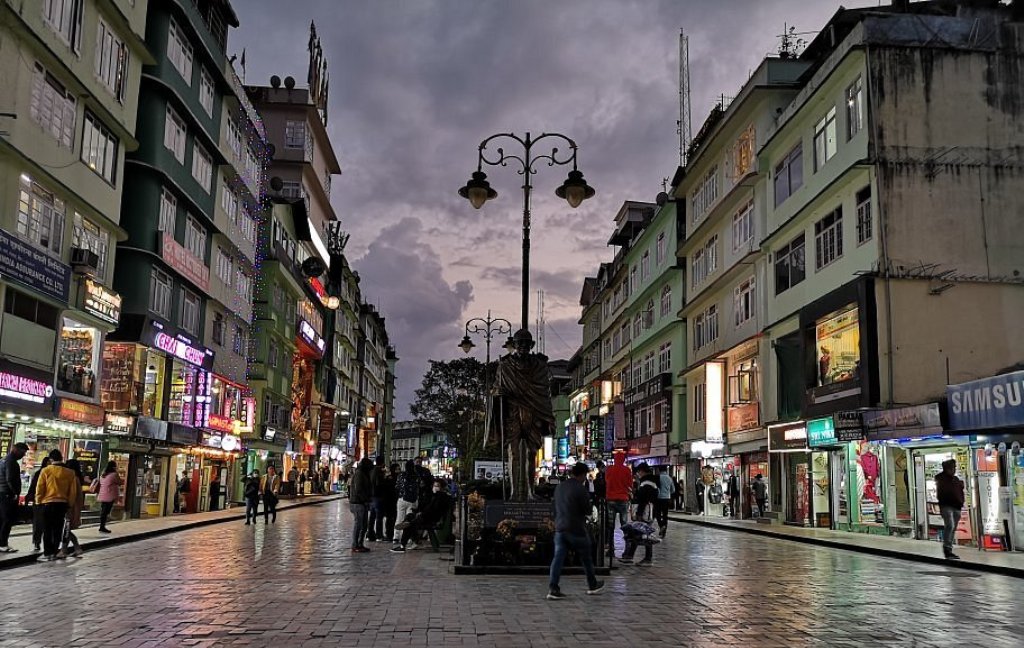
At 1,650 metres, Gangtok is the most polished hill station in Northeast India — clean, well-organised, and justifiably popular, with summer temperatures rarely climbing past 24°C. It manages to be simultaneously a proper Himalayan city and a genuinely relaxing destination, the kind of place where you can spend a morning at Rumtek Monastery and an afternoon eating momos on MG Marg before catching a sunset view of Kanchenjunga that looks too perfect to be real.
The Sikkim capital works as both a destination in itself and a base for the state’s wider network of hill experiences. Tsomgo Lake (12,310 ft) and Nathula Pass (14,140 ft, subject to permit availability) are within a day trip, while Lachen and Lachung to the north serve as gateways to Yumthang Valley’s famous rhododendron blooms — which are at their absolute peak from late April through May. A North Sikkim Protected Area Permit is required for the Lachen-Lachung circuit and must be arranged through a registered Sikkim tour operator.
How to reach: Fly to Bagdogra Airport (West Bengal, 125 km) or New Jalpaiguri (NJP) Railway Station, then take a shared jeep or taxi — approximately 4 to 5 hours.
Best time in summer: April to June, when skies clear after the pre-monsoon, rhododendrons are in bloom, and the mountain views are at their best.
3. Tawang, Arunachal Pradesh — The Cloud-Wrapped Monastery Town
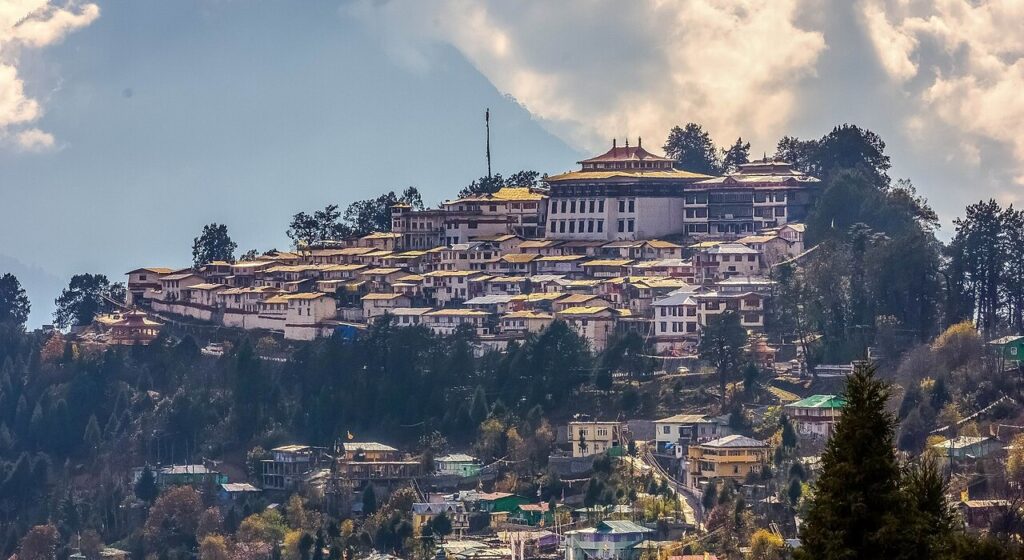
If Gangtok is the accessible Himalayan hill station, Tawang is the one you have to earn — and that effort is entirely the point. Sitting at over 3,048 metres near the Chinese border, it is one of the highest permanently inhabited towns in Arunachal Pradesh and home to the Tawang Monastery, one of the largest Buddhist monasteries in Asia. Summer is arguably the best time to visit: temperatures range from 8°C to 18°C, snow has melted from most passes, rhododendrons paint the hillsides, and the recently opened Sela Tunnel means the road from Guwahati is now reliably open regardless of weather.
Beyond the monastery, Madhuri Lake (Shungetsar) at 4,000+ metres offers one of the most serene lake views in the country, and Nuranang Falls near Jang is a short detour that more than justifies the stop.
An Arunachal Pradesh Inner Line Permit is mandatory for all Indian visitors and is now applied for online.
How to reach: Fly to Tezpur or Guwahati, then drive to Tawang over two days via Bhalukpong, Bomdila, and Dirang. See our complete Guwahati to Tawang road trip guide for the full breakdown.
Best time in summer: March to June for good visibility; April to May for rhododendron blooms.
4. Cherrapunji (Sohra), Meghalaya — The Rainforest Hill Station
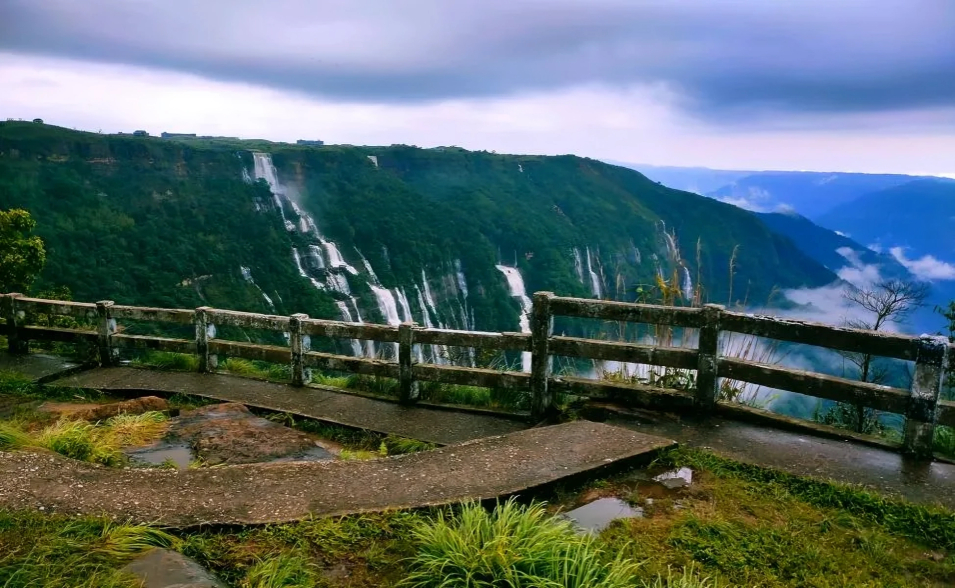
Listed as one of the wettest places on Earth, Cherrapunji gets a complicated reputation around summer — and it’s worth clarifying. April and May, before the full monsoon sets in, are actually some of the most beautiful months here, with waterfalls beginning to fill, mist rolling across the plateau, and the temperature a consistent and comfortable 12–20°C. Nohkalikai Falls — at 340 metres, India’s tallest plunge waterfall — is already dramatic in spring; by July it becomes genuinely overwhelming.
Cherrapunji is the primary base for trekking to the double-decker living root bridges of Nongriat, one of the most unique engineering marvels in the natural world. The trek involves roughly 3,500 steps down from Tyrna village — allow a full day for the descent, bridge, and climb back up.
How to reach: Drive from Shillong (approximately 55 km, 1.5–2 hours) on a well-maintained road. No permits required.
Best time in summer: April to May for waterfalls without the full monsoon intensity; October to March if you prefer clear skies.
5. Ziro Valley, Arunachal Pradesh — The Slow Life Hill Station
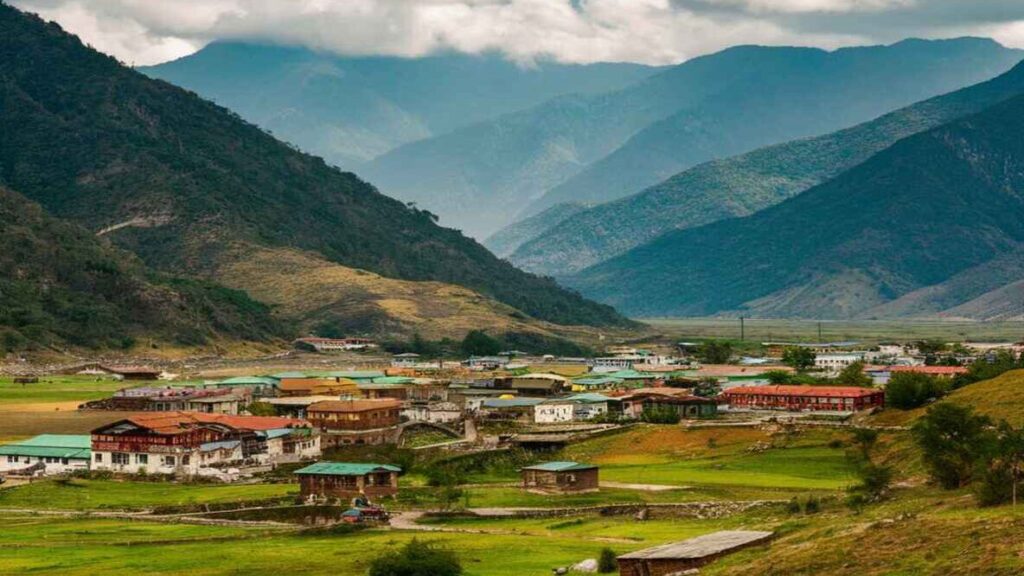
Some places are best experienced by people who want to do very little, very slowly. Ziro is one of them. Sitting at 1,564 metres in the Lower Subansiri district, this UNESCO World Heritage–nominated valley is home to the Apatani tribal community, whose centuries-old wet-rice cultivation system has shaped the landscape into an improbably beautiful patchwork of terraced paddy fields and pine forest.
Summer at Ziro is the green season — the paddies are vivid, the mornings are cool and misty, and the valley has a quietness that’s increasingly hard to find anywhere in India. September brings the Ziro Music Festival, one of India’s most respected independent music events, held outdoors in the valley with the pine-covered hills as backdrop.
Tarin Fish Farm, Talley Valley Wildlife Sanctuary, and the Kile Pakho viewpoint round out the natural attractions. An Arunachal e-ILP is required.
How to reach: Fly to Naharlagun (nearest airport) or travel via Guwahati to Itanagar/Naharlagun, then drive to Ziro (115 km, approximately 3–4 hours).
Best time in summer: March to October; June to August for the most intense greenery.
6. Kohima, Nagaland — Hills With History

Kohima, the capital of Nagaland, sits at 1,444 metres and carries a weight of history that few hill stations can match. The Battle of Kohima in 1944 — fought between Allied and Japanese forces for control of a tennis court–sized hilltop — is considered one of the turning points of the Second World War in Asia. The Kohima War Cemetery, maintained by the Commonwealth War Graves Commission, is one of the most moving sites in the entire country.
Beyond that history, Kohima is a genuine summer escape — cool, green, and home to the vibrant Naga market culture where tribal textiles, smoked meats, and local vegetables are sold in abundance. The Dzükou Valley trek begins near here, accessing what is widely regarded as one of the most beautiful valleys in Northeast India — particularly when the Dzükou lilies carpet the floor between June and September. A Nagaland Inner Line Permit is required for all visitors.
How to reach: Fly to Dimapur (74 km from Kohima) and take a taxi or shared cab — approximately 2 hours.
Best time in summer: March to September; June to September for Dzükou Valley’s lily bloom season.
7. Bomdila, Arunachal Pradesh — The Himalaya’s Veranda
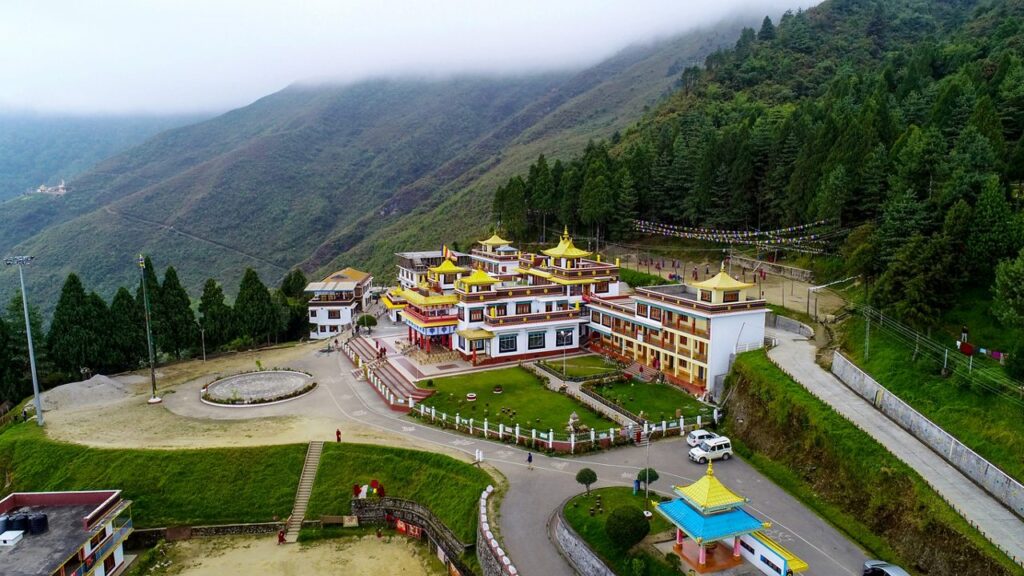
Bomdila sits at 2,415 metres in West Kameng district and serves as the first real taste of Himalayan Arunachal Pradesh on the road to Tawang. But it’s more than a stopover — apple orchards surround the town, the Bomdila Monastery offers panoramic Himalayan views, and the Eaglenest Wildlife Sanctuary nearby is considered one of the most important birding sites in Asia, with over 400 species recorded including the near-mythical Bugun Liocichla.
Summer temperatures at Bomdila stay between 8°C and 18°C, making it one of the coolest accessible hill stations in the region. An Arunachal e-ILP applies.
How to reach: Drive from Tezpur (150 km, approximately 4–5 hours) or as part of the Guwahati–Tawang road trip.
Best time in summer: March to October; April to May for birding and apple blossom.
8. Haflong, Assam — Assam’s Only Hill Station
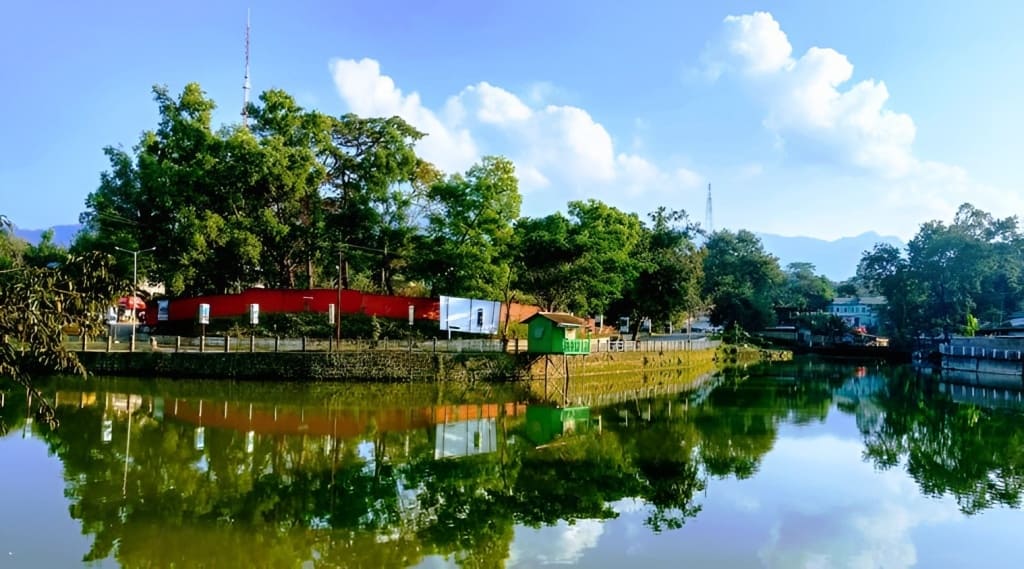
Haflong is easy to overlook because it sits in Assam — a state most travellers associate with the Brahmaputra plains and Kaziranga. But Assam’s only hill station sits at 680 metres in the Dima Hasao district and earns its reputation quietly, with the blue Haflong Lake at its centre, orchid-lined hills, and a cool microclimate that feels markedly different from the rest of the state.
There are no major crowds, no permit requirements, and a refreshingly unhurried atmosphere that makes it well-suited to travellers looking for something off the regular Northeast circuit. The town is a short detour from the Lumding–Sabroom railway line and accessible by road from Guwahati (about 380 km).
How to reach: Train to Haflong Road Station (then 20 km by road), or drive from Guwahati — roughly 6 hours.
Best time in summer: March to May before heavy rains arrive; October to February is also excellent.
9. Pelling, Sikkim — The Kanchenjunga Viewpoint
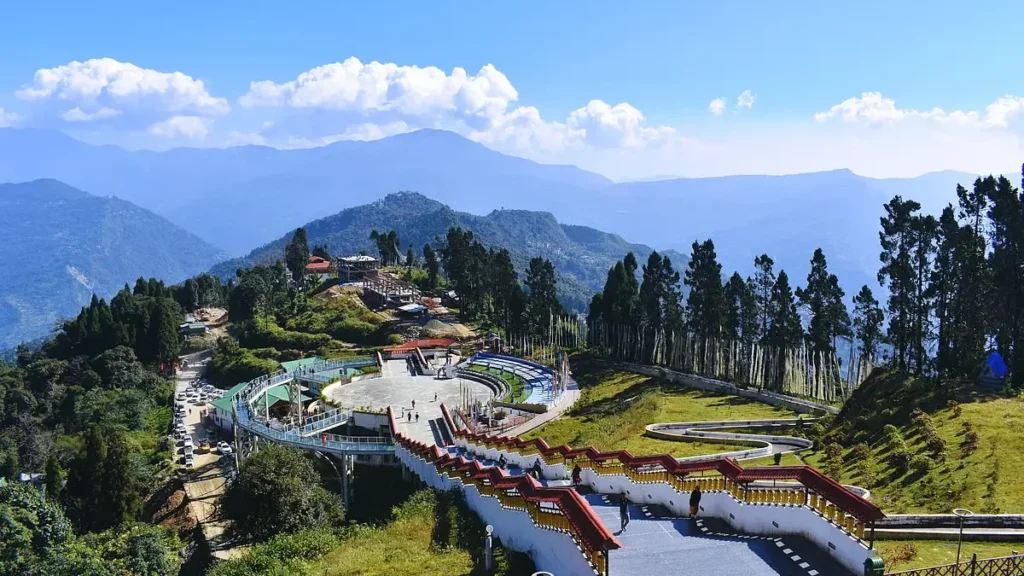
Pelling has quietly grown into Sikkim’s second-most-visited hill destination after Gangtok, and the reason is one of the most straightforward in all of travel: it offers some of the clearest, most expansive views of the Kanchenjunga massif anywhere in the region, from hotel balconies, walking trails, and the remarkable Skywalk glass bridge that extends out over the valley.
At 2,150 metres, it runs cooler than Gangtok and draws a quieter crowd. The Pemayangtse Monastery, one of the oldest and most significant in Sikkim, sits just above the town, and the Khangchendzonga Falls and Rabdentse Ruins are within easy reach on a half-day.
How to reach: Fly to Bagdogra (140 km), then hire a cab to Pelling — approximately 4 to 5 hours.
Best time in summer: March to June for the clearest mountain views before monsoon cloud covers the peaks.
10. Aizawl, Mizoram — The Overlooked Hill Capital
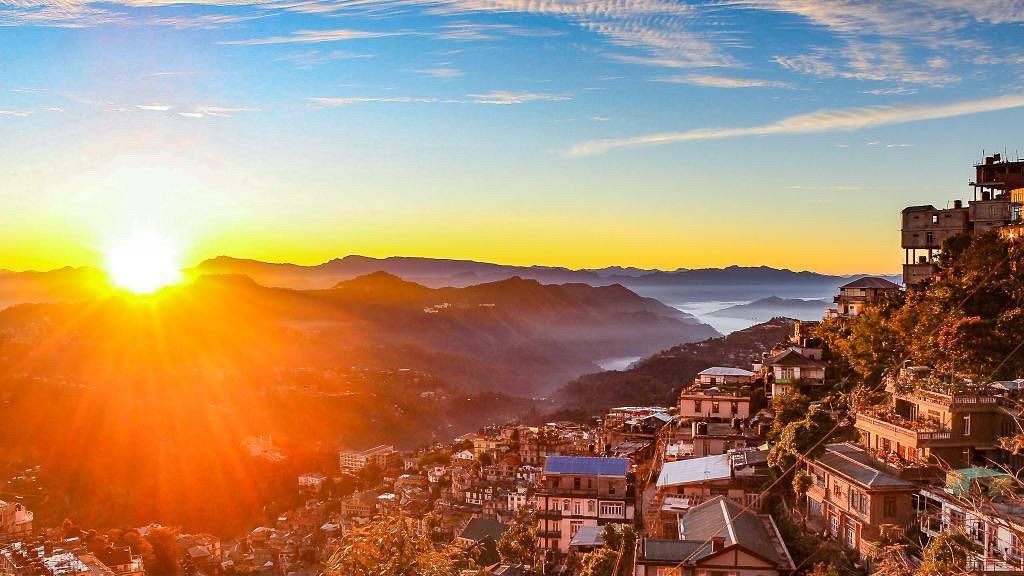
Aizawl tends to appear at the bottom of Northeast India hill station lists, which means it remains the least crowded of the bunch despite being genuinely deserving of more attention. The capital of Mizoram sits at 1,132 metres, draped across a series of steep ridges with remarkable views in every direction. The Mizo cultural identity — the music, the local markets, the spotless town lanes, the strong sense of community — is more distinctive than most travellers expect, and worth a few days of unhurried exploration.
The Vantawng Falls, one of the tallest in Northeast India at around 229 metres, is about 137 km from Aizawl and worth the drive. Phawngpui (Blue Mountain), at 2,157 metres the highest peak in Mizoram, is accessible as a day hike or overnight trek.
How to reach: Fly direct to Lengpui Airport (30 km from Aizawl) from Kolkata, Delhi, or Guwahati.
Best time in summer: March to May or October to March; avoid the height of monsoon (July–August) for road travel.
Quick Planning Guide for Summer
Permit requirements in brief: Arunachal Pradesh (Tawang, Ziro, Bomdila) requires an e-ILP applied online via the Arunachal ILP portal. Nagaland (Kohima) requires an ILP via nagalandilp.in. Sikkim’s North Sikkim circuit (for Lachen/Lachung beyond Gangtok) requires a Protected Area Permit arranged through a registered operator. Shillong, Cherrapunji, Haflong, Pelling, and Aizawl require no permits for Indian nationals. For the complete breakdown, see our Northeast India permit guide.
Getting there: Almost all of these hill stations are best reached via Guwahati, which connects to all major Indian cities. Bagdogra serves Gangtok and Pelling. Dimapur is the gateway to Kohima. Lengpui Airport connects directly to Aizawl. For a full guide on reaching each part of the region, see our Northeast India tourism guide.
Budget pointer: Hill stations in Northeast India, as a rule, cost significantly less than comparable destinations in Himachal or Uttarakhand. Homestays in Ziro, Cherrapunji, and Bomdila can be found for ₹800–1,500 per night; Gangtok and Shillong have a wider range from budget guesthouses to comfortable mid-range hotels. See our Northeast India travel budget guide for a detailed cost breakdown.
The summer case for Northeast India is simpler than people expect: it’s cooler, it’s greener, it’s less crowded, and it looks like nowhere else in the country. The plains will still be there when you get back.
