




Some places market themselves loudly. Serchhip does the opposite. Tucked into the central hills of Mizoram, this district town has no billboards announcing its charm and no queues of tour buses at its gates — just quiet forests, a genuinely spectacular waterfall, and a community that has kept its traditions largely for itself rather than for visitors. If you’ve been reading through our Mizoram travel coverage and wondering where to find Northeast India‘s version of a well-kept secret, Serchhip is exactly that.
Quick Facts About Serchhip
| Location | Central Mizoram, roughly midway between Aizawl and Lunglei |
|---|---|
| District Status | Headquarters of Serchhip district |
| Distance from Aizawl | Approximately 110-115 km (3-3.5 hours) |
| Nearest Airport | Lengpui Airport, Aizawl (~150 km) |
| Nearest Railhead | Silchar Railway Station, Assam (~180 km) |
| Known For | Vantawng Falls, Thenzawl Deer Park, Puan weaving |
| Best Time to Visit | October to March |
| Major Festival | Chapchar Kut (state-wide, early-mid March) |
| Climate | 15-25°C in peak season |
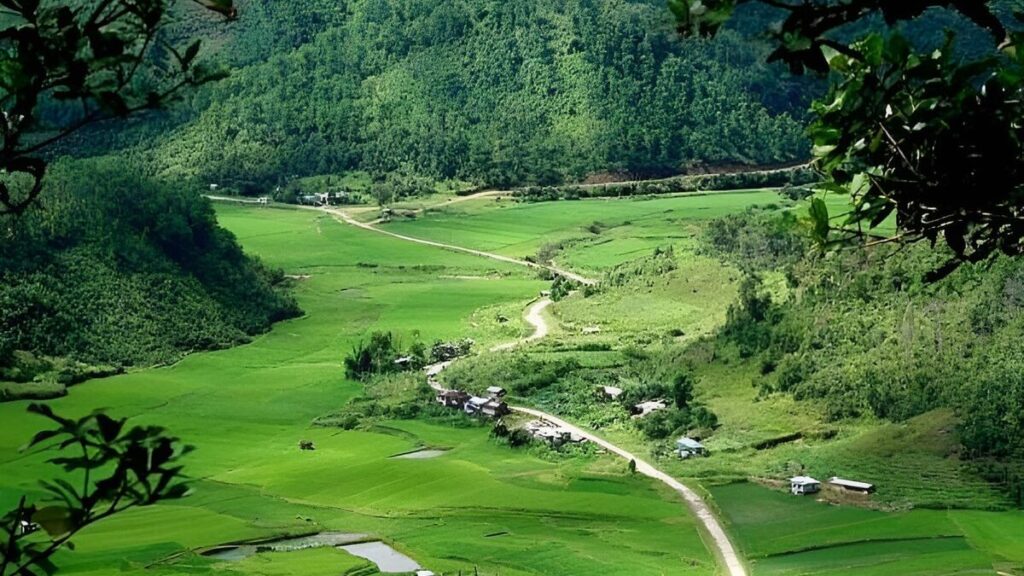
Where Serchhip Sits and Why It’s Worth the Detour
Serchhip is the headquarters of its own district in central Mizoram, positioned along the main route between the state capital Aizawl and the southern town of Lunglei. That location alone makes it a natural stopover rather than a dedicated destination for most travellers, which is precisely why it has stayed so unspoiled. Framed by rolling hills and dense subtropical forest, the region offers crisp, unpolluted air that feels like an immediate reset after Aizawl’s hillside traffic.
Vantawng Falls: Mizoram’s Second-Highest Waterfall
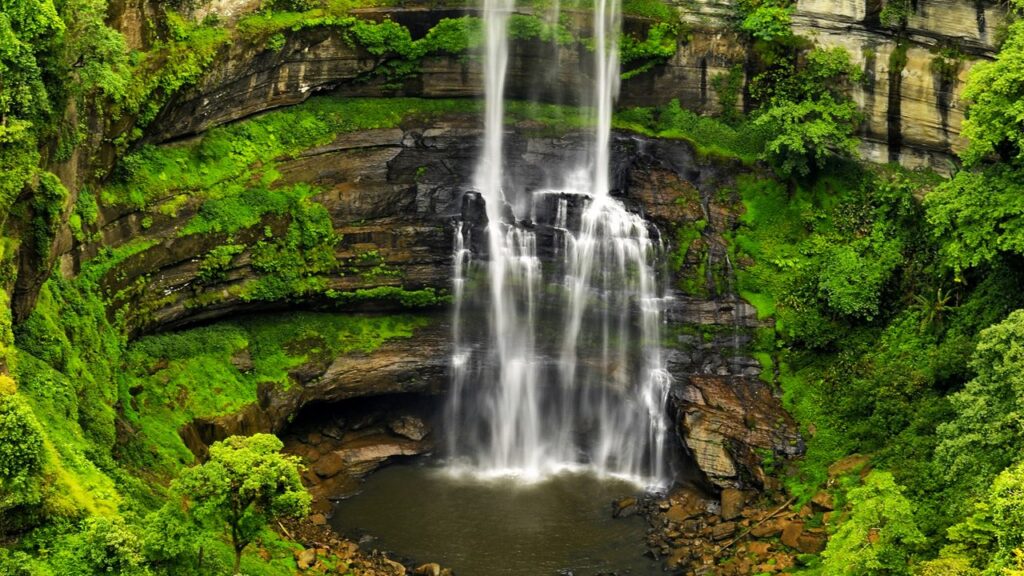
The single biggest reason to visit Serchhip is Vantawng Falls, widely cited as the second-highest waterfall in Mizoram. Reaching the base requires a proper trek through dense forest and picturesque valley terrain, rewarding hikers with a dramatic multi-tiered cascade framed by cliffside greenery. A viewing platform near the top gives a good look at the falls even without the full descent, but committing to the trek down is what makes the visit memorable — expect a workout on the way back up.
Carry adequate water and sturdy footwear, and be mindful of slippery rocks near the base, particularly just after the monsoon when water volume is at its highest.
Thenzawl Deer Park and the Region’s Wildlife
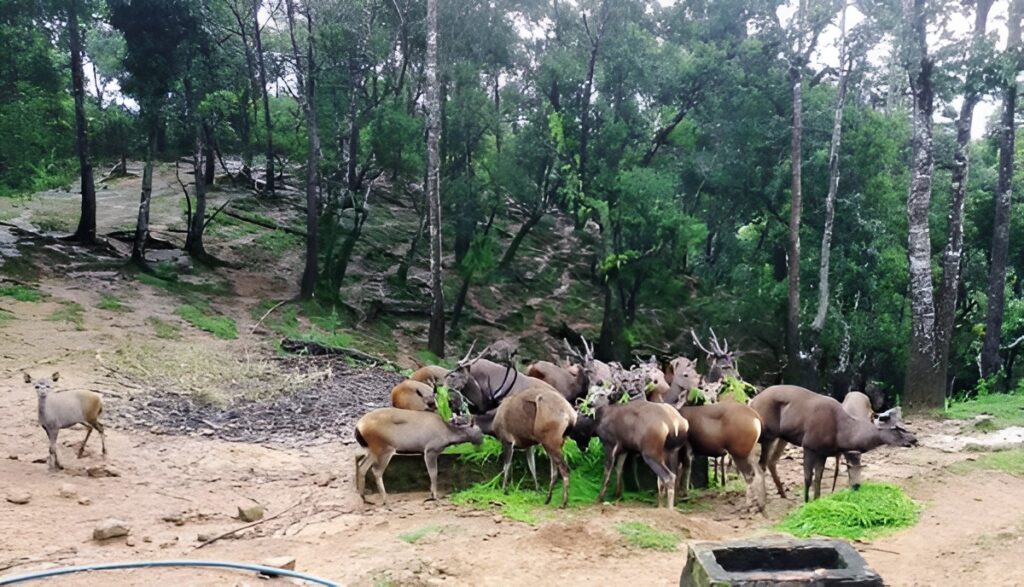
A short distance from Serchhip, Thenzawl Deer Park gives visitors a chance to observe native deer species and other local wildlife in a protected, walkable setting — a gentler alternative to a full jungle trek, and a good option if you’re travelling with kids or older family members. For a more immersive wildlife experience, Ngengpui Wildlife Sanctuary is a short drive away and known for sightings of hoolock gibbons, Malayan giant squirrels, and a healthy variety of birdlife, making it a genuine draw for birdwatchers exploring this part of Mizoram.
Golfers, meanwhile, head specifically to Thenzawl for its well-regarded golf course, one of the more unexpected recreational draws in this part of the state.
The Legends Carved in Stone: Chhingpui Thlan and Zoluti Hriatrengna Lung
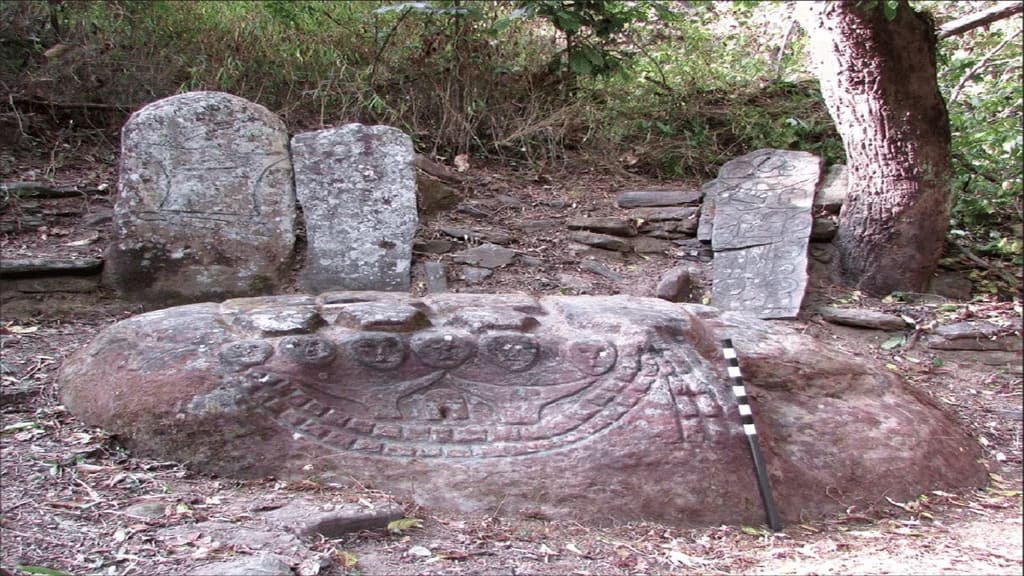
Serchhip’s history isn’t only written down — some of it is literally carved in stone. The Chhingpui Thlan memorial commemorates Chhingpuii, a woman whose renowned beauty became entangled in a conflict between rival chiefs, ending in tragedy that locals still recount today. Nearby, Zoluti Hriatrengna Lung is another memorial stone capturing a different strand of the district’s oral history. Neither site is heavily signposted or commercialised, and that’s part of their appeal — visiting them feels less like a tourist stop and more like being let in on a story that’s still primarily told by locals, for locals.
Serchhip vs Other Mizoram Hill Towns: How Does It Compare?
Mizoram’s main towns each carry a distinct identity, and Serchhip’s is quieter and more nature-focused than most.
| Destination | Best Known For | Distance from Serchhip | Typical Vibe |
|---|---|---|---|
| Serchhip | Vantawng Falls, Thenzawl Deer Park, weaving | — | Quiet, forested, understated |
| Aizawl | State capital, markets, nightlife, Solomon’s Temple | ~110-115 km | Busy, urban, well-connected |
| Champhai | “Rice Bowl of Mizoram,” border trade with Myanmar | ~200 km | Scenic, agricultural, border-town |
| Lunglei | Second-largest town, Buddhist monastery nearby | ~150 km | Mid-sized, historic |
If Aizawl is Mizoram’s urban centre and Champhai its scenic border town, Serchhip is the state’s quiet middle ground — close enough to reach easily, remote enough to still feel undiscovered.
Chapchar Kut: The Festival Worth Timing Your Trip Around
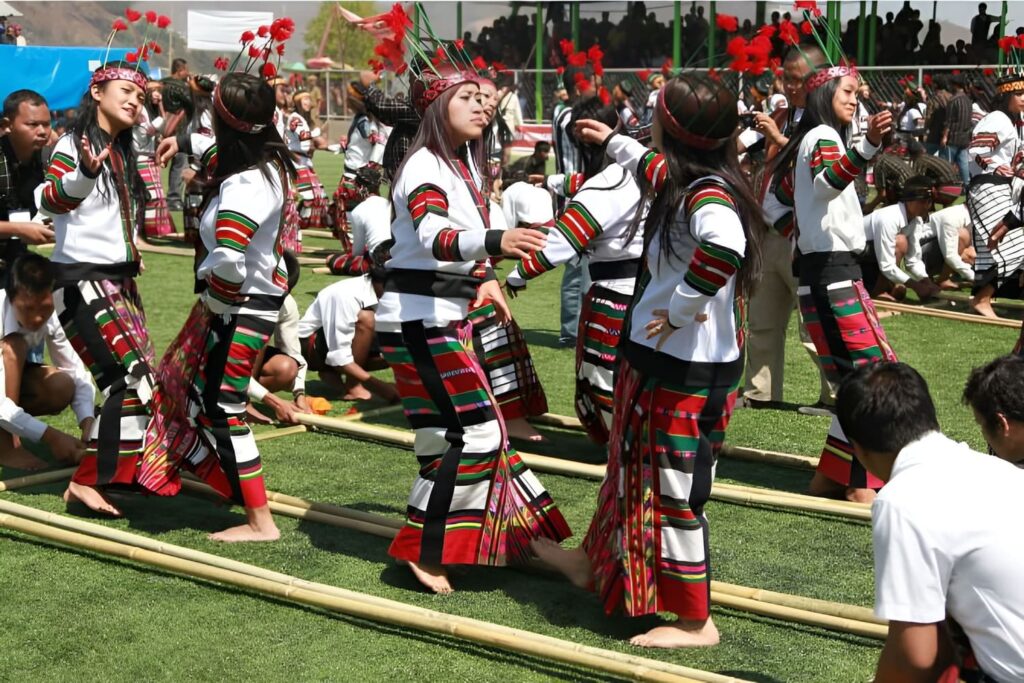
Mizoram’s biggest cultural event, Chapchar Kut, is a state-wide spring festival with deep roots in Serchhip’s own agricultural rhythm. Traditionally, the festival marks a well-earned pause after the exhausting work of jhum cultivation — the practice of clearing hillside forest by cutting and burning bamboo ahead of the planting season. The festival’s origins date back roughly to 1450–1700 AD in a village called Seipui, and the tradition is now observed across every Mizo village in the state, including Serchhip district.
The main state-level celebration happens at Lammual in Aizawl, drawing in tens of thousands of performers and spectators, but villages across Serchhip district hold their own local editions with genuine community participation rather than staged performances for tourists. Expect the Cheraw or bamboo dance, the Chai and Khuallam dances, traditional games, handicraft exhibitions, and a communal feast accompanied by Zu, the traditional rice beer, wherever it’s still served. The 2026 state-level festival ran as a week-long celebration culminating on 13 March at Lammual, under the theme “Zo Nun Ze Mawi – Inremna” (the beauty of Zo culture, harmony) — check Mizoram’s tourism department closer to your travel dates for the current year’s exact schedule, since dates shift slightly year to year.
Beyond Chapchar Kut, Serchhip also observes Mim Kut, a smaller post-harvest festival that honours departed souls through rituals, food, and folk performances — a more reflective counterpart to Chapchar Kut’s exuberance.
What to Eat in Serchhip
Mizo cuisine here leans heavily on fresh, locally sourced ingredients, and Serchhip is a good place to try it properly. Bamboo shoot is the backbone of many dishes, most notably Bai, a hearty stew of vegetables, fermented beans, and meat. Sawhchiar, a well-seasoned meat and rice dish, and Chhum Han, a simple but flavourful vegetable soup, round out a typical local meal, usually accompanied by Zu where available. None of it is heavily spiced in the way other Indian regional cuisines are — the flavours here are earthier and simpler, built around what the hills actually produce.
Shopping: Puan Weaving and Local Handicrafts
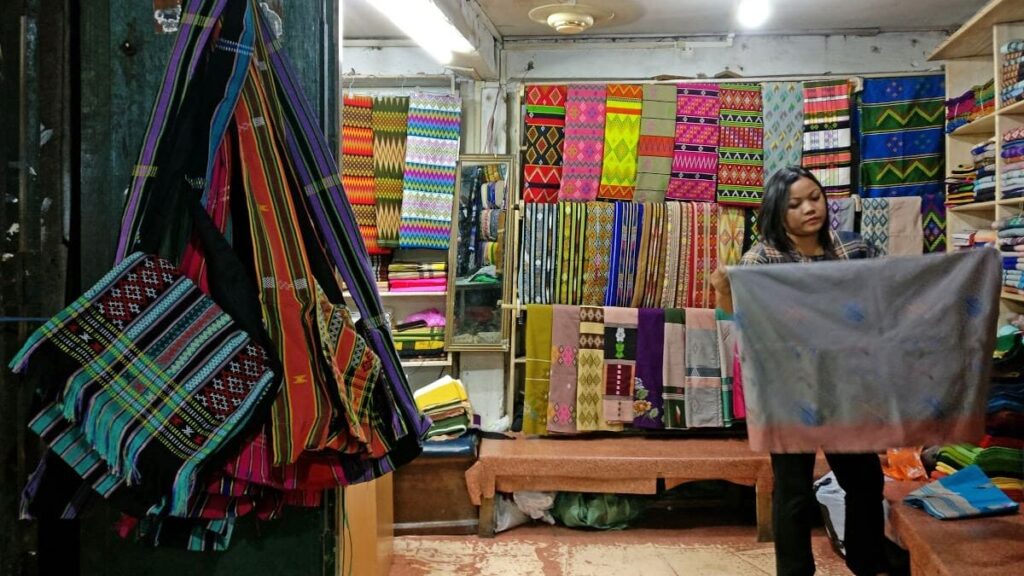
Serchhip’s markets are worth building time into your itinerary for. Puans, the traditional handwoven textiles of the Mizo people, are a genuine craft specialty here, alongside bamboo and cane items, handmade baskets, pottery, and locally made jewellery. Buying directly from artisans at the local bazaars supports the weavers and craftspeople keeping these traditions alive, and gives you a far more meaningful souvenir than anything mass-produced.
Best Time to Visit Serchhip
October through March is the clear winner, with cool, comfortable temperatures between roughly 15°C and 25°C ideal for trekking to Vantawng Falls and wandering the local markets. Timing a visit around Chapchar Kut in late February or March adds a genuine cultural layer to the trip. Avoid the monsoon months from June to September, when heavy rainfall makes both the waterfall trek and the approach roads considerably more difficult.
How to Reach Serchhip
- Fly into Lengpui Airport, Aizawl, roughly 150 km from Serchhip, and continue by taxi or bus along a scenic drive through Mizoram’s hills.
- Take the train to Silchar, Assam, the nearest railhead at about 180 km away, then continue by road via taxi or bus.
- Drive via state highway if you’re already travelling within Mizoram — Serchhip is well connected to Aizawl, Lunglei, and other major towns.
No Inner Line Permit complications should slow you down within India itself, but non-resident Indian citizens do need Mizoram’s ILP to enter the state — see our Northeast India travel permits guide for the full process.
Also Check Out: NorthEast India Permit Assistant
Where to Stay
Accommodation in Serchhip ranges from simple, rustic cottages to comfortable, homely resorts, generally priced well below what you’d pay in Aizawl for similar comfort. Hospitality here leans genuinely warm rather than performative — a reflection of Mizo culture more broadly, where visitors are typically treated as guests rather than customers.
Frequently Asked Questions About Serchhip
Is Serchhip worth visiting as a standalone destination, or just a stopover? Both work — many travellers pass through en route between Aizawl and Lunglei, but Vantawng Falls and Thenzawl alone justify a dedicated overnight stay.
How difficult is the Vantawng Falls trek? Moderate. The descent to the base is steep in places and takes roughly an hour each way, so reasonable fitness and proper footwear matter more than technical trekking skill.
Can foreign tourists visit Serchhip? Yes, with a valid Inner Line Permit for Mizoram, which foreign nationals can generally obtain at entry points or in advance — check current rules before travelling.
Final Thoughts
Serchhip isn’t trying to compete with Aizawl’s energy or Champhai’s border-town novelty, and that’s exactly its appeal — a district that has quietly protected its waterfalls, wildlife, weaving traditions, and festival calendar without turning any of it into a spectacle for outsiders. Go before it changes.
For more from this part of the region, browse our Mizoram travel coverage or check our Northeast India tourism guide for help planning a longer itinerary.
